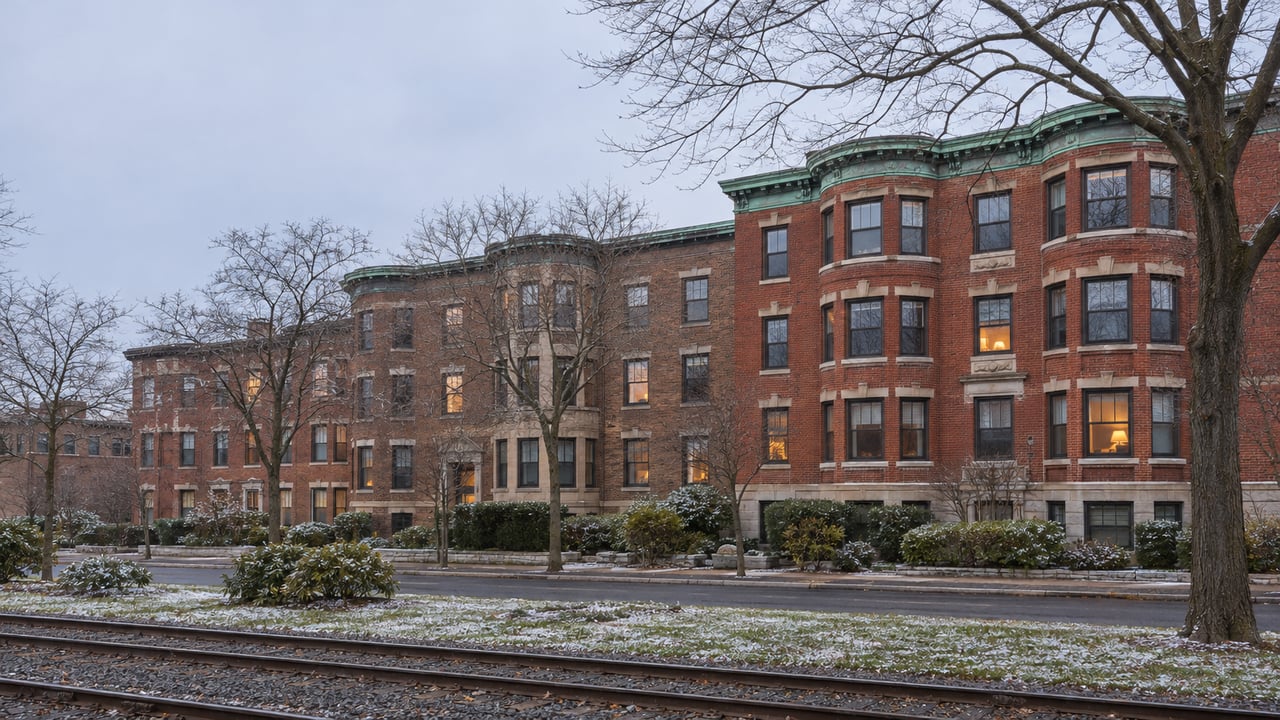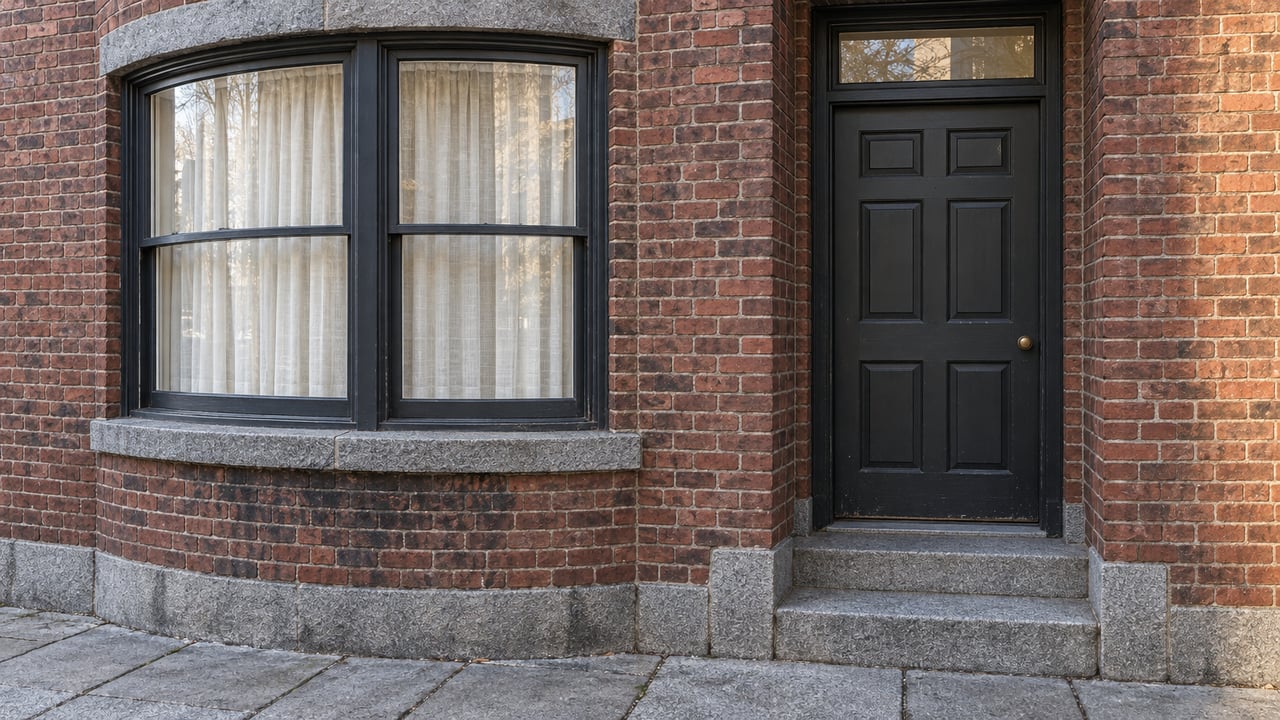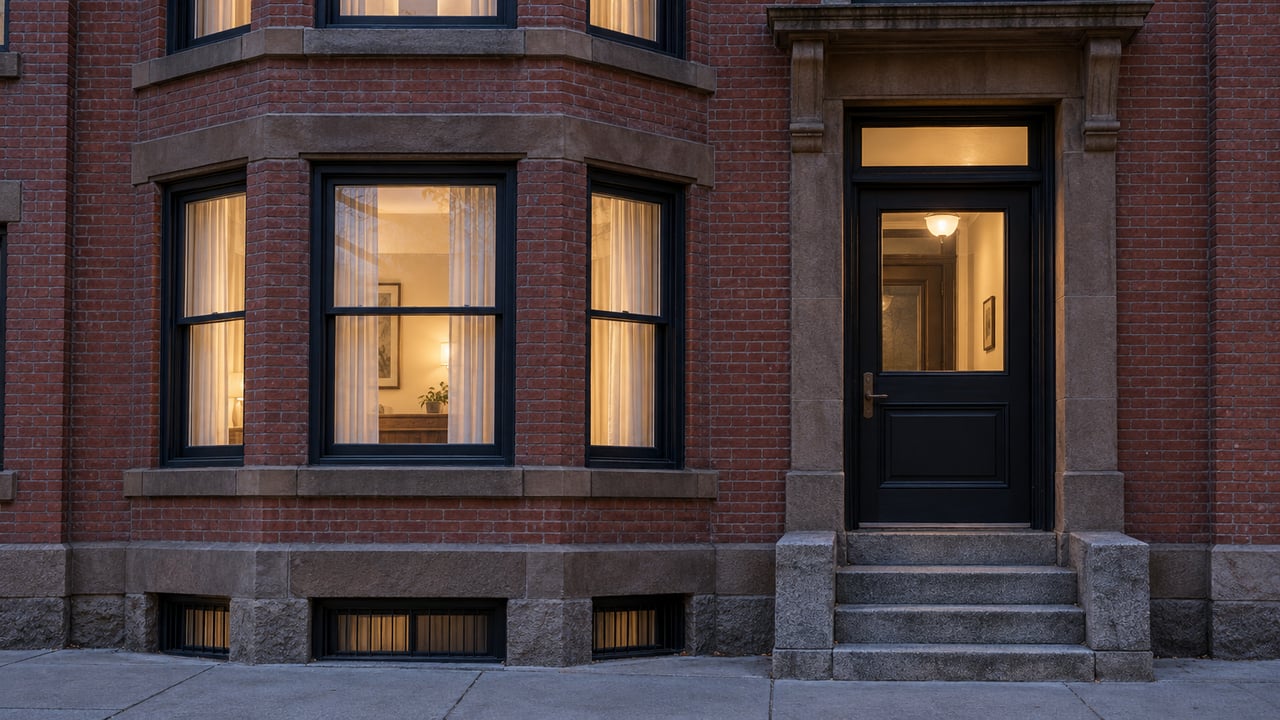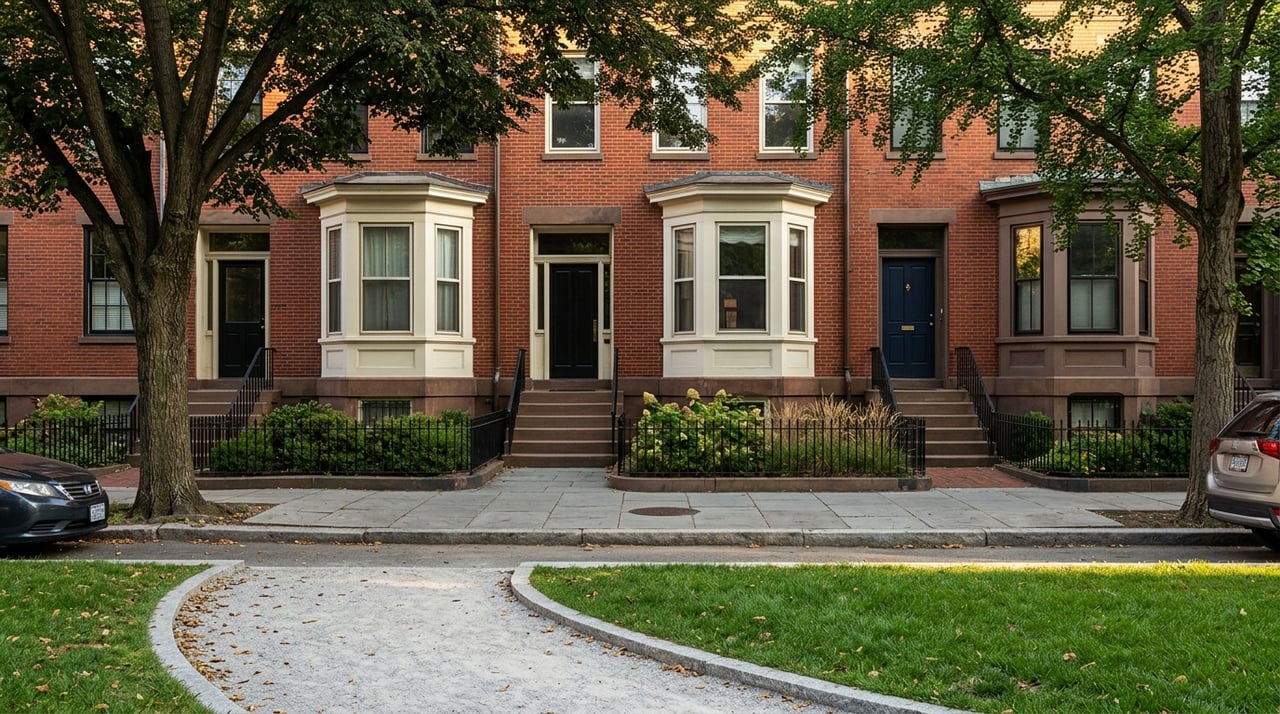
Wondering what it’s really like to live near Fenway Park without feeling like you live inside a stadium? That is a fair question, especially if you are relocating to Boston or comparing central neighborhoods with very different day-to-day rhythms. Near Fenway and the Emerald Necklace, you get a mix of city energy, green space, and cultural access that can feel surprisingly balanced once you know how the area works. Let’s dive in.
Fenway Offers More Than Game Day
Fenway-Kenmore is often associated first with baseball, but everyday life here is broader than that. The City of Boston describes the neighborhood as home to Fenway Park, the Museum of Fine Arts, Symphony Hall, Boston Latin School, and several higher-education institutions.
That mix gives the area a layered identity. You are not choosing between a sports district and a residential neighborhood so much as stepping into a place where sports, arts, education, and daily city living all overlap.
For many buyers and renters, that balance is the real draw. You can enjoy a neighborhood with recognizable Boston character while still having access to parks, museums, and side streets that feel more routine and livable than visitors may expect.
The Emerald Necklace Shapes Daily Life
One of the biggest advantages of this part of Boston is its access to the Emerald Necklace. According to the City of Boston, this park system spans 1,100 acres across nine connected parks and runs about seven miles from Boston Common to Franklin Park.
In and around Fenway, the most relevant sections include Commonwealth Avenue Mall, Back Bay Fens, and the Riverway. These spaces are not just scenic landmarks. They function as part of everyday life for people who walk, bike, spend time outdoors, or simply want a break from dense urban streets.
The Riverway, in particular, is described by the city as providing scenic relief for people on foot, on bicycles, and on the parkways. That matters if you want outdoor access built into your weekly routine rather than saved for special occasions.
Back Bay Fens Feels Like a Real Neighborhood Park
Back Bay Fens is a major reason this area can feel calmer than its reputation suggests. The park includes community gardens, the Kelleher Rose Garden, memorials, ballfields, bird habitat, and the Fenway Victory Gardens.
The Victory Gardens are especially notable because the City of Boston describes them as the nation’s last remaining original victory gardens. That detail says a lot about the neighborhood. Even in a central, active part of Boston, there is room for history, greenery, and slower daily patterns.
If you value morning walks, casual outdoor time, or easy access to open space, the Fens adds something hard to replicate in many urban neighborhoods. It gives Fenway a softer edge.
Arts And Culture Are Part Of The Routine
Living near Fenway also means being close to one of Boston’s major cultural hubs. The City of Boston’s Fenway Cultural District includes 21 major cultural, arts, and academic institutions.
Among the best-known are the Museum of Fine Arts, the Isabella Stewart Gardner Museum, the Boston Symphony Orchestra, and Berklee College of Music. For residents, that can translate into a neighborhood where culture is not a once-in-a-while destination, but part of the background of daily life.
This also affects the feel of the streets and public spaces. The district’s mission includes promoting arts and culture while making the area more livable, which helps explain why Fenway can feel active without being one-note.
Dining Is Flexible And Convenient
If you are picturing one single restaurant strip, Fenway is more varied than that. Dining options are spread across the neighborhood, which can make the area feel more usable throughout the day.
Current examples from the research include Shy Bird on Brookline Avenue, which serves breakfast, lunch, dinner, and weekend brunch. Trillium Fenway on Park Drive adds a patio, lawn, and event space, while Tasty Burger on Van Ness Street stays open late seven days a week.
Game On on Lansdowne Street reflects the neighborhood’s sports-oriented side, with many screens, draft beers, and late hours. Taken together, these examples show that Fenway supports different routines, whether you want coffee and brunch, a casual dinner, or a lively night out.
What That Means For Residents
From a lifestyle standpoint, the convenience is practical. You can find places that work for weekday meals, weekend plans, and last-minute meetups without needing to leave the neighborhood.
That kind of flexibility matters if you are moving to Boston and trying to picture your daily schedule. Fenway supports a more lived-in pattern than its event reputation might suggest.
Game Days Change The Neighborhood Rhythm
Of course, game-day energy is real. Fenway Park opened in 1912, and the Red Sox note that Jersey Street becomes an extension of the ballpark concourse during home games and special events.
According to the research, the street is closed to traffic three hours before game time and fills with concessions, live music, entertainment, and team retail. That can be exciting if you enjoy being close to the action, but it is also something to plan around.
The City of Boston also notes that illegally parking in Fenway-Kenmore resident parking spaces during Red Sox games or other Fenway events can result in a $100 fine. In practical terms, that means parking and access often require more attention on event nights than on a typical weekday.
The Tradeoff Is Energy Versus Planning
For many people, this is the central tradeoff of living near Fenway. On one hand, you get a neighborhood with a uniquely Boston sense of place and a lively event calendar. On the other, you may need to think ahead about traffic, curb access, and timing on game days.
That does not make the area difficult to live in. It simply means that your experience may vary depending on how close you are to the ballpark edge versus the greener and more residential pockets near the Fens and Riverway.
Getting Around Is Often Easier Than People Expect
Fenway is one of Boston’s better-served inner neighborhoods for transit. A Boston Transportation analysis of the Fenway and Longwood area states that all Green Line branches stop in the area, and Route 55 also serves Fenway.
The Museum of Fine Arts lists access by the Green Line E branch, the Orange Line, commuter rail, and several bus routes. The Red Sox also encourage fans to use public transportation to reach Fenway Park, which reinforces how transit-oriented the area is.
If you are used to driving everywhere, Fenway may feel more walkable and connected than expected. Many daily needs, cultural destinations, and outdoor spaces can be reached on foot or with a short transit ride.
Biking And Walking Continue To Improve
The city’s planned Fenway Path project is designed as an off-road bicycle and pedestrian route connecting the Muddy River path in the Emerald Necklace to Lansdowne Station. Boston says the goal is to connect residents to jobs, businesses, transit stations, cultural institutions, and parks.
Boston Transportation has also added speed humps in East Fenway due to speeding concerns and is adding a contraflow bike lane on Hemenway Street. Those details may sound small, but they signal something important: parts of Fenway are being treated as everyday neighborhood streets, not just visitor corridors.
For residents, that supports a more comfortable day-to-day experience. Walking, biking, and transit are not side benefits here. They are part of how the neighborhood functions.
Who Often Likes This Lifestyle
Fenway can appeal to several types of buyers and renters. If you want central Boston access with meaningful park space nearby, the area checks an unusual number of boxes.
It can also work well if you enjoy being near museums, music, and a visible city rhythm. At the same time, your fit with the neighborhood may depend on your tolerance for event traffic and your preference for either busier or quieter blocks.
In broad terms, Fenway often appeals to people who value:
- Access to green space without leaving the city
- A walkable, transit-connected location
- Nearby museums, music, and cultural institutions
- Dining options that work throughout the day
- A neighborhood with both lively and calmer pockets
Why Hyperlocal Guidance Matters In Fenway
Fenway is not experienced the same way on every block. A home near the ballpark can feel very different from one closer to Back Bay Fens or the Riverway, even within the same neighborhood name.
That is why local guidance matters when you are buying, renting, or planning a move. In a neighborhood with distinct micro-locations, understanding the daily rhythm of each pocket can help you make a better decision about fit, access, and lifestyle.
If you are exploring Fenway, it helps to look beyond the headline landmarks and focus on how you want your everyday life to feel. For some, the energy near Lansdowne and Jersey Street is part of the appeal. For others, the greener edges near the Emerald Necklace may be the better match.
If you are thinking about buying, selling, relocating, or renting in Fenway or another central Boston neighborhood, Roberta Orlandino offers thoughtful, neighborhood-rooted guidance tailored to how you want to live.
FAQs
What is everyday life like near Fenway in Boston?
- Everyday life near Fenway is a mix of city activity and neighborhood routine, with access to parks, dining, cultural institutions, and transit, plus heavier event energy near Fenway Park on game days.
How does the Emerald Necklace affect living in Fenway?
- The Emerald Necklace adds meaningful daily green space through areas like Back Bay Fens and the Riverway, giving residents places to walk, bike, and spend time outdoors close to home.
Is Fenway only busy because of Fenway Park events?
- No. While game days bring extra crowds and street closures near the ballpark, the broader neighborhood also supports regular residential life shaped by parks, museums, schools, and local businesses.
How do residents get around Fenway Boston?
- Fenway is served by Green Line connections, bus routes, nearby commuter rail access, and walkable streets, with additional bike and pedestrian improvements planned or underway.
What should homebuyers know about living near Fenway Park?
- Homebuyers should understand that daily experience can vary a lot by block, especially between homes near the ballpark and homes closer to the Fens, Riverway, and quieter side streets.