If you are getting ready to sell a Charlestown rowhouse, you do not need a full renovation to make a strong impression. In a neighborhood where buyers move quickly and often compare several homes online before they ever step inside, presentation, timing, and paperwork can shape both price and pace. The good news is that a smart pre-listing plan can help your home feel brighter, clearer, and more compelling while preserving the character buyers came to Charlestown to find. Let’s dive in.
Why presentation matters in Charlestown
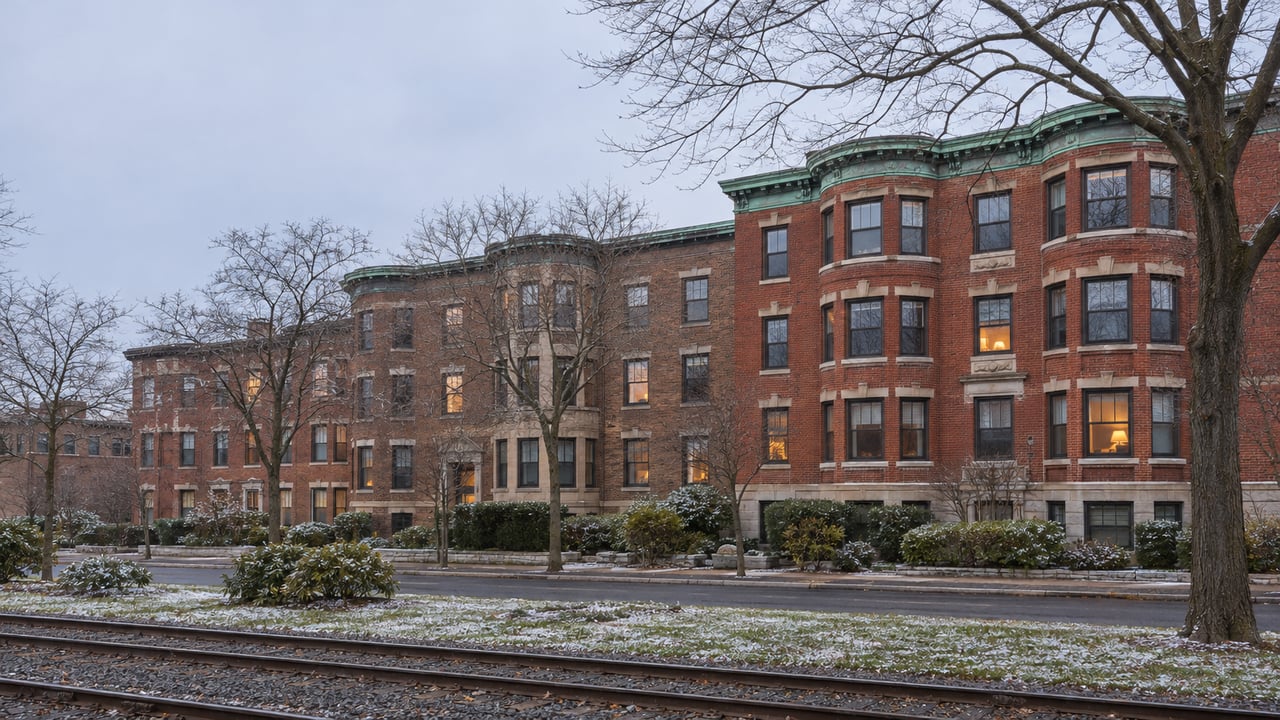
Charlestown is Boston’s oldest neighborhood, and city planning materials describe it as a place of historic brick and wood row houses set on a hilly landscape. It also blends that history with a busy modern-day feel around Main Street and City Square. For buyers, that often creates a very specific wish list: charm, function, and a home that feels easy to live in.
That matters even more in a competitive market. Recent Redfin data show a median sale price of $1,009,660 in May 2026, average days on market of 16, a 100.8% sale-to-list ratio, and 38.5% of homes selling above list price. When homes can attract multiple offers, the details of how your rowhouse shows can influence how buyers value it.
Start with the right goal
The goal is not to erase your home’s age or make it feel generic. The goal is to help buyers see the best version of the house you already have. In Charlestown, that usually means highlighting original character while removing distractions that make compact, vertical spaces feel darker, tighter, or harder to understand.
That approach lines up with what buyers respond to most. In the 2025 staging survey, 83% of buyers’ agents said staging made it easier for buyers to visualize a property as a future home. The same report found that photos, physical staging, videos, and virtual tours all play an important role in how buyers shop.
Focus on what gives the best return
If you want to be strategic, start with the prep work that tends to have the widest impact. The same 2025 survey found that sellers’ agents saw the most value from decluttering, whole-home cleaning, and improving curb appeal. It also found that staging reduced time on market for 49% of sellers’ agents.
For a Charlestown rowhouse, those findings are especially useful because these homes are often narrow, multi-level, and full of personality. Buyers usually do not mind older architecture. They do mind clutter, dim rooms, unfinished cosmetic issues, and anything that makes the space feel confusing or harder to maintain.
Declutter for space and flow
Decluttering is often the highest-value first step because it changes how your home feels in person and in photos. In a rowhouse, each room needs to read clearly, and each path through the home needs to feel open. Too much furniture or too many personal items can make a vertical floor plan feel choppy.
As you edit, think in terms of movement and sightlines. You want buyers to understand where they enter, where they gather, where they eat, and how each floor connects. If a room has more than one possible use, define just one for the listing period so the layout feels intentional.
Clean until the house feels crisp
A deep clean does more than make the home look cared for. It also helps historic details stand out in the right way. Clean windows, polished hardware, dust-free trim, and fresh-looking surfaces can make older features feel elegant instead of tired.
Pay close attention to kitchens and baths, since buyers tend to notice them quickly. Even if finishes are not brand new, a spotless room photographs better and feels easier to accept. Cleanliness signals stewardship, and that can build confidence from the first showing.
Let character lead the story
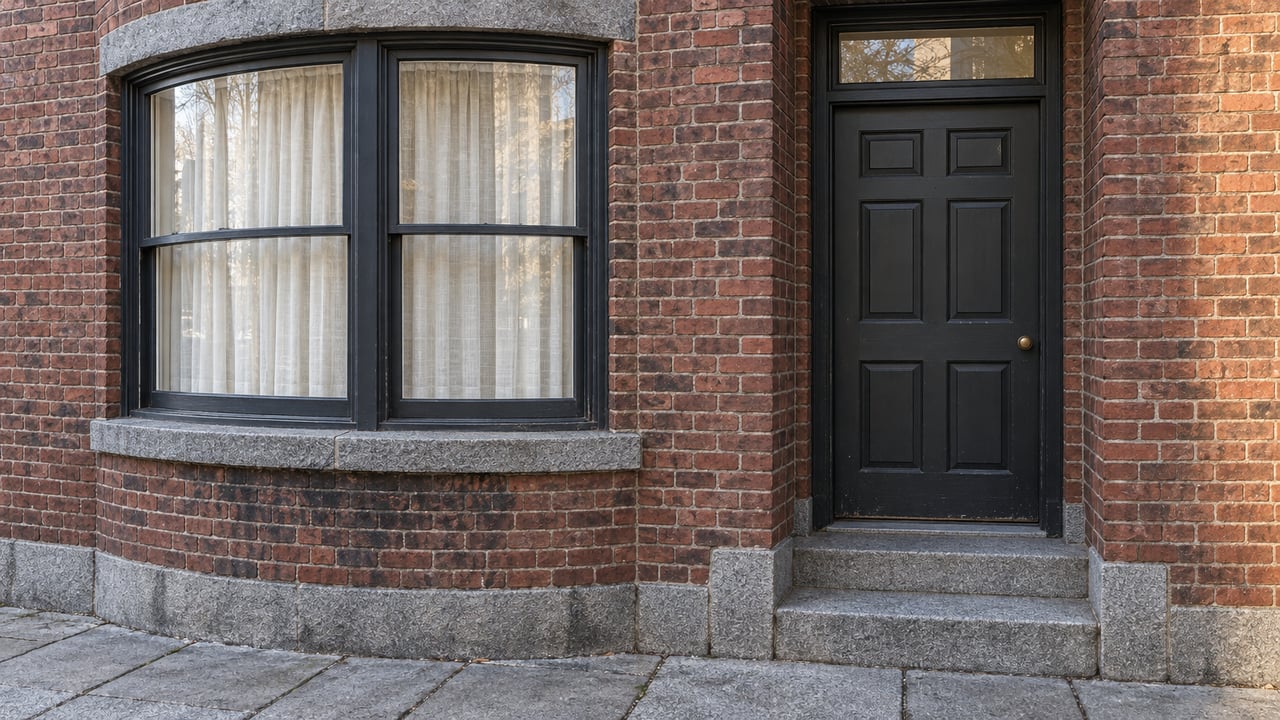
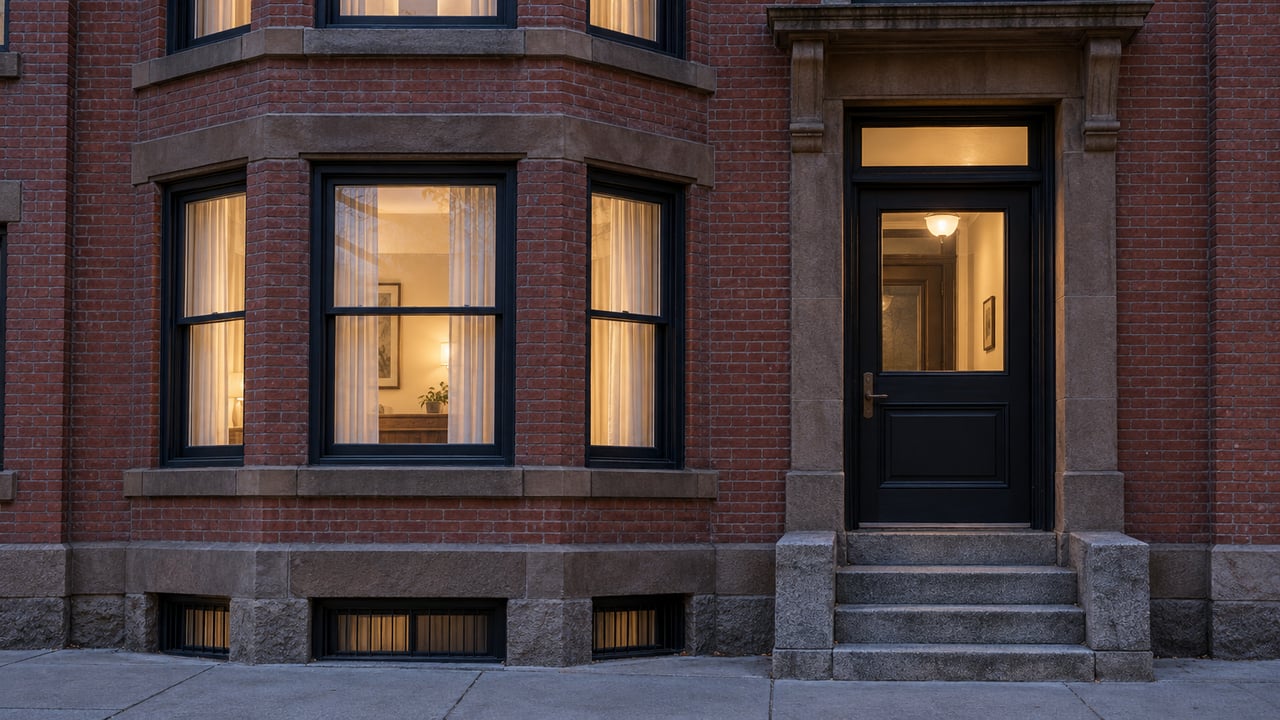
Charlestown buyers are often drawn to historic texture, not in spite of it. Brick facades, original proportions, wood details, stair halls, and period touches can all help your home stand apart. Your job is to present those features clearly, not cover them up with trendy choices that may not suit the house.
That is why simple, historically respectful updates usually make more sense than dramatic visible alterations. Bright neutral walls, repaired trim, polished floors, and edited decor can help original details feel intentional. The result is a home that feels both rooted and move-in ready.
Be careful with exterior changes
Before doing exterior work, verify whether your property is landmarked or located in a historic district or pending historic area. Boston Landmarks Commission review can apply to work on designated properties, including window replacements, painting, masonry cleaning or repointing, roof decks and additions, balconies, porches, decks, and stairs. Boston also notes that interior changes usually do not need approval unless the interior itself is landmarked.
The city says changes to landmarked properties and those in historic districts are reviewed under specific standards and criteria. Proposed work that respects those guidelines can often move more smoothly. That is one reason visible, historically sensitive repairs are generally a safer choice than changes that alter original materials or proportions.
Check historic status early
Charlestown’s preservation landscape is still evolving. Boston has said the neighborhood’s first historic district is taking shape around Monument Square, with a study process meant to preserve area character while allowing context-sensitive growth. If you are considering exterior touch-ups before listing, confirm your address status early.
This step matters because timing can get tight once your sale is underway. A repair that seems simple can become a delay if approvals are needed. When you check first, you can make decisions that support your sale instead of complicating it.
Stage the rooms buyers notice most
Not every room carries the same weight. In the 2025 staging survey, buyers’ agents ranked the living room as the most important room to stage, followed by the primary bedroom and kitchen. If your budget or time is limited, start there.
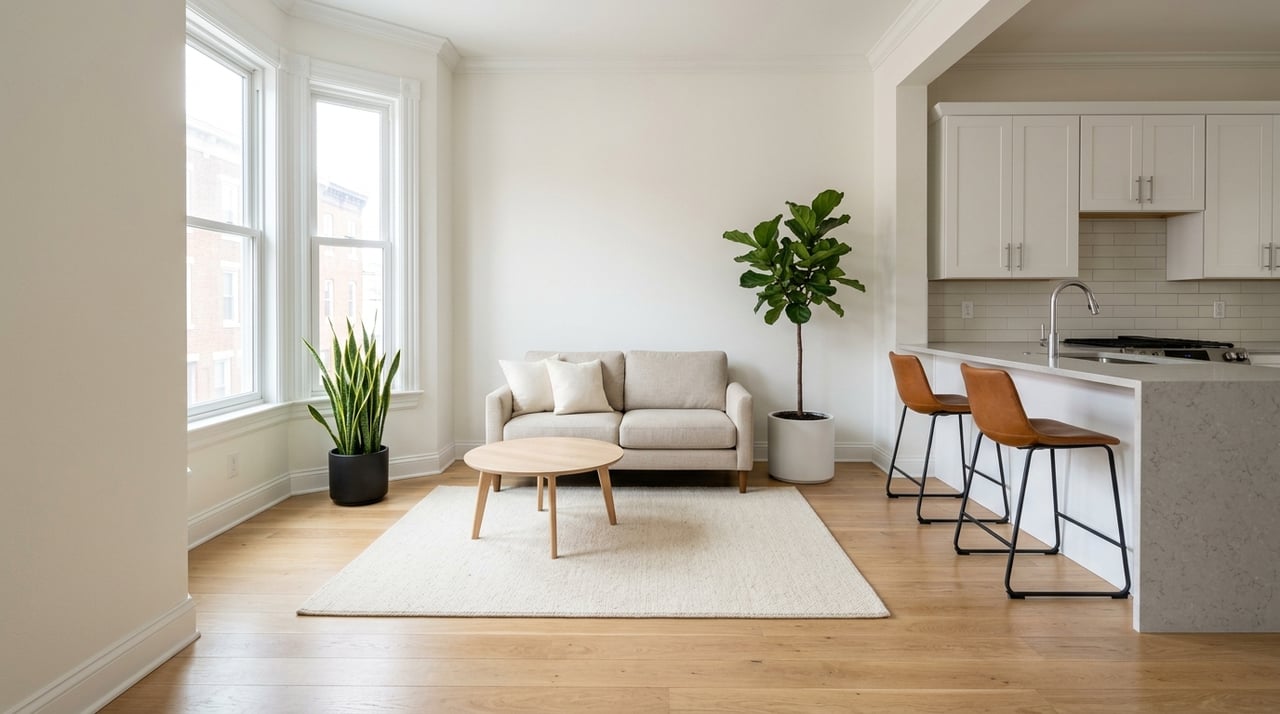
In the living room, simplify furniture so the room feels open and easy to navigate. In the primary bedroom, aim for calm and scale, with clear walking space and minimal surfaces. In the kitchen, clear counters, reduce small appliances, and emphasize light, storage, and functionality.
Make each level easy to read
Because rowhouses rise vertically, buyers need help understanding the flow from one floor to the next. Use consistent lighting, simple styling, and minimal visual noise so the home feels coherent across levels. If one floor is darker or tighter, brighten it and remove anything bulky.
This is especially important online. Buyers’ agents in the 2025 survey said photos were highly important, and sellers’ agents also placed strong value on photography. A well-photographed rowhouse should feel legible from image to image, not fragmented.
Brighten without overdoing it
Light is one of the biggest perception tools in older urban homes. Open window coverings where appropriate, replace dim bulbs, and make sure every fixture works. The goal is not to flatten the home’s mood, but to help buyers see depth, ceiling height, and detail.
If a room naturally runs dark, keep styling light and simple. Pale bedding, neutral rugs, and uncluttered surfaces can help a space feel larger. In Charlestown, where buyers often accept historic layouts, brightness can do a lot of the work.
Use professional marketing assets
Since many buyers begin online, your marketing package matters almost as much as the in-person experience. The staging survey found that photos, videos, and virtual tours all influence how buyers engage with a listing. In a fast-moving market, strong visuals can help your home rise to the top quickly.
That is where polished execution makes a difference. Professional photography, thoughtful sequencing of images, and a clear visual story can help buyers understand the value of a compact historic home before they schedule a showing. For a Charlestown rowhouse, that clarity is essential.
Handle compliance before it becomes urgent
Pre-listing preparation is not just about appearance. It is also about reducing avoidable delays once an offer comes together. In a competitive market with short timelines, missing paperwork can create stress at the worst possible moment.
For homes built before 1978, Massachusetts requires Property Transfer Lead Paint Notification. Sellers and real estate agents must provide that notification before a purchase and sale agreement is signed, along with any known lead reports or compliance letters and other required disclosures.
Boston also states that most residential property owners need a smoke and carbon monoxide detector inspection before sale. The city advises applying as soon as the purchase and sale agreement is signed and allowing at least 10 business days for scheduling. Boston also notes that pre-1975 one- to five-unit residential sales require a smoke-detector Certificate of Compliance, and carbon monoxide compliance is required for dwelling units regardless of construction year.
Follow a smart pre-listing sequence
A clear order of operations can help you avoid rework and last-minute surprises. In Charlestown, a practical sequence is to verify historic status first, confirm lead and smoke or carbon monoxide obligations next, complete any approved exterior repairs early, and then move into decluttering, cleaning, and photography.
This sequence works because it aligns the visible presentation of the house with the behind-the-scenes requirements of the sale. It also respects how quickly buyers can move in Charlestown. When interest comes fast, being prepared helps you respond with confidence.
What market-ready really means
A market-ready Charlestown rowhouse is not perfect. It is clear, well cared for, visually calm, and easy for buyers to understand. It preserves the features that give the home its identity while addressing the distractions that can slow momentum.
In this neighborhood, buyers are often paying for a blend of history, convenience, and move-in-ready presentation. If you can deliver that combination, your home is more likely to stand out for the right reasons. And in a market where multiple offers are common, that edge can matter.
If you are preparing to sell a historic or high-value Boston home, tailored guidance can make the process far more efficient. Roberta Orlandino offers a calm, strategic approach backed by professional marketing, staging insight, and deep experience with Boston’s distinctive housing stock.
FAQs
What makes a Charlestown rowhouse feel market-ready?
- A market-ready Charlestown rowhouse is decluttered, deeply cleaned, well lit, and presented in a way that highlights historic character while making the layout feel easy to understand.
Which rooms matter most when staging a Charlestown rowhouse?
- Based on the 2025 staging survey, the living room matters most, followed by the primary bedroom and kitchen.
Should you renovate a Charlestown rowhouse before listing it?
- Not necessarily. For many sellers, the stronger strategy is to improve presentation, address cosmetic issues, and preserve original character rather than take on major visible changes.
Do Charlestown sellers need to check historic district rules before exterior work?
- Yes. Boston says exterior work on designated properties may require review, so you should verify whether your address is landmarked or within a historic district or pending historic area before making changes.
What lead paint disclosure is required when selling an older Boston home?
- For homes built before 1978, Massachusetts requires Property Transfer Lead Paint Notification before the purchase and sale agreement is signed, along with any known lead reports or compliance letters and other required disclosures.
When should Boston sellers handle smoke and carbon monoxide compliance?
- Boston advises applying for the inspection as soon as the purchase and sale agreement is signed and allowing at least 10 business days for scheduling.