Wondering whether Boston’s Financial District feels like a place to live or just a place to work? That is a fair question, especially if you are relocating, downsizing into the city, or looking for a home base that keeps Boston at your doorstep. The good news is that this part of Downtown offers far more than office towers, and understanding its rhythm can help you decide whether it fits your lifestyle. Let’s dive in.
Financial District living at a glance
Living in Boston’s Financial District means being in the center of the city’s daily movement. This is the region’s financial and commercial core, but it is also part of a broader Downtown area that includes condos, apartments, historic sites, restaurants, and civic spaces.
City planning efforts also show that Downtown is evolving into a more mixed-use, housing-forward, 24-hour neighborhood. In practical terms, that means you are not buying into a fixed office district. You are stepping into an area that is actively becoming more residential.
The neighborhood feels more layered than expected
If you picture the Financial District as all glass towers and empty sidewalks after 6 p.m., the reality is more nuanced. The area has deep historic roots, and city materials highlight its role in Boston’s financial, commercial, and industrial history.
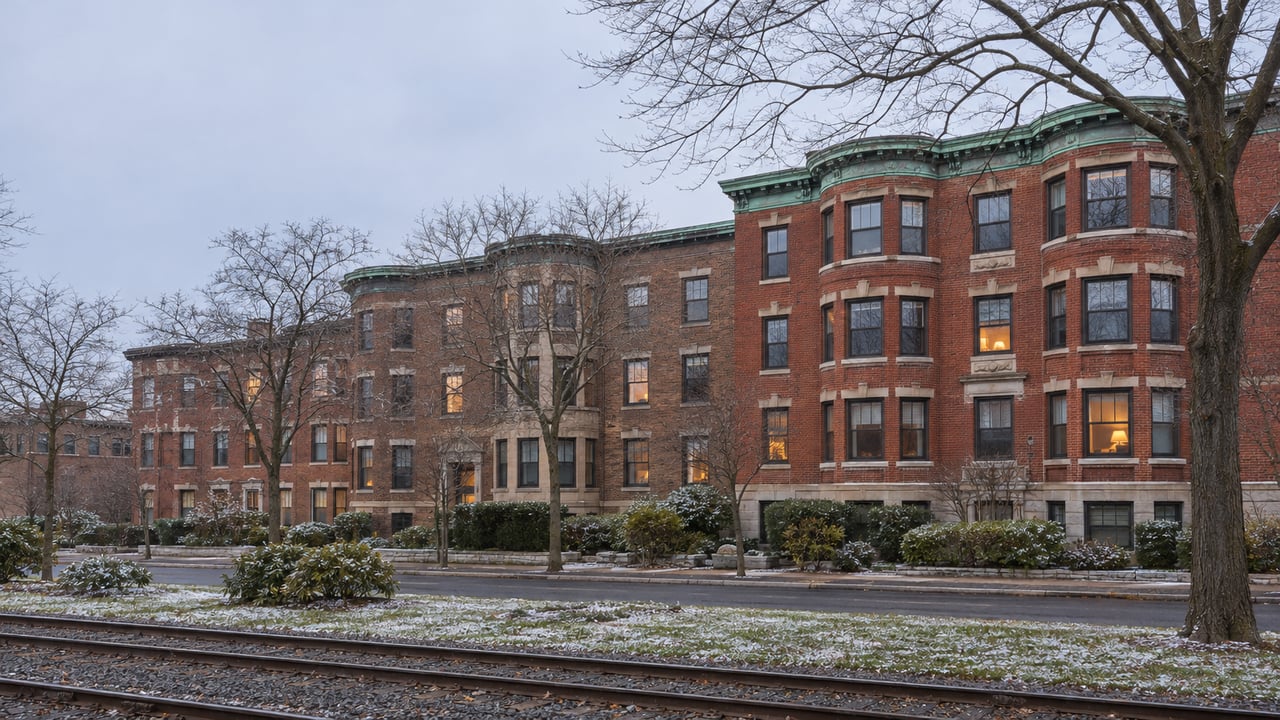
You will also notice a strong architectural mix. Alongside newer buildings, the district has one of Boston’s strongest concentrations of Art Deco architecture, which gives the streetscape more texture and character than many people expect.
For some buyers, that blend is the appeal. You get the energy and efficiency of Downtown, but with a setting that still feels tied to Boston’s past.
Daily life is highly walkable
One of the biggest advantages of living here is how much you can do on foot. Boston notes that theaters, restaurants, cafes, and 5.5 miles of waterfront are within easy walking distance, which shapes the day-to-day experience in a very real way.
Instead of planning your routine around driving, you are more likely to walk to coffee, pick up lunch nearby, meet friends for dinner, or head to an event after work. Downtown Crossing alone sees more than 250,000 pedestrians on a typical day, so this is a place where street life is part of the atmosphere.
If you enjoy convenience and momentum, that can be a major plus. If you prefer quieter, more residential streets with more separation from the city’s pace, it may feel intense.
Outdoor space is closer than you think
A common concern about downtown living is access to green space. In the Financial District, you are close to some of Boston’s most important public spaces, which helps balance the built environment.
Boston Common nearby
Boston Common offers a real change of pace from office blocks and busy intersections. The park dates to 1634 and includes open lawns, ballfields, and the Frog Pond, giving residents a flexible outdoor option for a walk, a break, or casual recreation.
The Greenway adds breathing room
The Rose Kennedy Greenway is another major asset. This 1.5-mile park includes gardens, fountains, public art, and frequent events, and it is easily reached from several nearby transit stops, including South Station, Downtown Crossing, State Street, and Government Center.
Together, these spaces make downtown living feel more livable. You are still in the center of the city, but you are not cut off from places to step outside and reset.
Commuting is one of the strongest advantages
If your goal is a short, efficient commute, the Financial District stands out. Downtown transit access is one of the neighborhood’s biggest strengths, and that is often a deciding factor for relocating professionals.
The MBTA connects the area to subway, bus, commuter rail, ferry, and paratransit service. South Station is described by the state as the premier passenger rail hub in New England, and City Hall Plaza is within easy reach of the Green, Blue, Red, Orange, and Silver lines, with North and South Stations also nearby.
That level of access matters whether you work in the core, commute from another part of the region, or travel frequently. It gives you options and reduces the need to structure your life around a car.
Getting around beyond the train
Transit here is not limited to the subway. City transportation planning also points to Silver Line connections through Downtown and toward South Station and the Seaport, along with ongoing work to improve pedestrian crossings and bike connections in the central city.
For many residents, that creates a flexible lifestyle. You can walk for most local errands, use transit for regional trips, and rely on rideshare when needed.
Parking is the biggest trade-off
For all its convenience, the Financial District does ask you to think differently about transportation. Boston’s Downtown Parking Freeze caps off-street commercial parking spaces in the area, and the city is clear that parking in Boston can be difficult.
That does not mean living here without a car is impossible. In fact, it often works best when walking, transit, and rideshare are your default choices and a car is optional rather than essential.
If easy parking is high on your priority list, this may not be your ideal fit. If you want a car-light lifestyle and value central access more than storage for a vehicle, the trade-off may feel worthwhile.
Evenings are active, but not everywhere
One of the more important things to understand is how the neighborhood changes after business hours. The after-hours feel is not uniformly busy or uniformly quiet.
City and Downtown Boston Alliance materials point to a real mix of dining, shopping, nightlife, and cultural programming across the district. Block parties, outdoor markets, and public events on streets like Washington Street and Summer Street, along with activity at City Hall Plaza, add energy beyond the workday.
At the same time, some office-heavy blocks naturally calm down at night. The most realistic expectation is that evening activity clusters around restaurants, theaters, plazas, and event spaces, while more office-oriented streets feel quieter.
Arts and events shape the atmosphere
City Hall Plaza is an important piece of downtown life. Boston’s arts office describes it as a place for festivals, performances, and large public events, which helps create a neighborhood experience that extends beyond work and errands.
The city’s Nightlife Economy office, created in 2023, also reflects a broader effort to support downtown vibrancy and a safer experience for nightlife workers and patrons. For residents, that signals a neighborhood that is still gaining momentum as a place to spend time after hours.
Who tends to enjoy living here
The Financial District is usually a strong match for people who want to be in the middle of everything. If you value short commutes, strong transit access, walkability, and the ability to move through the city without relying on a car, the area can be a very practical and rewarding choice.
It can be especially appealing if you are relocating for work and want a central landing point while you get to know Boston. You are close to major transit hubs, civic spaces, restaurants, and the waterfront, which makes the neighborhood easy to navigate and easy to use.
On the other hand, this may be a weaker fit if your ideal home environment includes quieter residential blocks, more private outdoor space, or easier parking. The Financial District offers convenience and connection first.
Why the neighborhood is worth watching
One of the most important takeaways is that the Financial District is not standing still. City zoning and revitalization efforts show a clear push toward more housing, more adaptive reuse, and a more active mixed-use downtown.
For buyers and renters alike, that matters. It suggests that living here is becoming less of a niche choice and more of a meaningful part of Boston’s residential future.
If you are considering a move to Downtown Boston, the Financial District can offer a rare combination of centrality, history, mobility, and urban convenience. And if you want help comparing it with nearby options in central Boston, working with a local advisor can make the decision much clearer. To explore Boston neighborhoods and available opportunities with a seasoned local perspective, connect with Roberta Orlandino.
FAQs
What is daily life like in Boston’s Financial District?
- Daily life in Boston’s Financial District is highly walkable and centered on convenience, with easy access to cafes, restaurants, transit, public spaces, and nearby waterfront areas.
Is Boston’s Financial District only busy during work hours?
- No. While some office-focused streets quiet down in the evening, parts of Downtown remain active after hours with dining, theater, public events, and cultural programming.
Is Boston’s Financial District a good place for commuters?
- Yes. The neighborhood benefits from strong MBTA access, proximity to South Station and North Station, and connections to multiple subway, bus, commuter rail, and Silver Line routes.
Do you need a car to live in Boston’s Financial District?
- In most cases, no. The area is best suited to a car-light lifestyle built around walking, public transit, and rideshare, especially since parking can be difficult downtown.
What kind of homebuyer or renter fits Boston’s Financial District?
- The neighborhood often suits relocating professionals and anyone who wants maximum centrality, short commutes, and a walkable urban lifestyle more than quiet residential streets or easy parking.