If the idea of keeping a large brownstone or full-floor home no longer fits the way you want to live, Boston’s North End waterfront may offer a compelling next chapter. For many downsizers, the goal is not simply less space. It is more ease, more walkability, and less day-to-day upkeep in a neighborhood that still feels rich in character and energy. If that sounds like you, this guide will help you think through the tradeoffs and the lifestyle payoff. Let’s dive in.
Why the North End waterfront appeals
The North End is Boston’s oldest residential community, with roots dating to the 1630s, and it remains one of the city’s most recognized urban neighborhoods. Boston Planning describes it as both a residential area and a popular destination for residents and visitors, which helps explain its unique feel.
For you as a downsizer, that means daily life can become more walkable and less house-centered. The Harborwalk offers nearly 40 miles of public waterfront pathway, and the Rose Kennedy Greenway reconnects the neighborhood to downtown. Together, those features support a lifestyle where getting outside, running errands, and meeting friends can happen within a short walk.
What “downsizing” really means here
In the North End waterfront, downsizing often means right-sizing into convenience rather than simply giving up square footage. You may trade extra bedrooms, basement storage, or a private outdoor area for easier access to restaurants, cafes, waterfront paths, and public spaces.
That shift can feel especially meaningful if you are coming from a Back Bay or Beacon Hill brownstone. Those homes often offer a more house-like experience, while a North End waterfront condo or apartment may bring a smaller footprint, shared building systems, and a different level of privacy.
Lifestyle changes to expect
The North End’s daily rhythm is one of its biggest draws. Hanover and Salem Streets serve as the neighborhood’s main commercial corridors, lined with restaurants, bakeries, cafes, and shops. Boston.gov also notes the area’s strong restaurant scene and old-world cafe culture.
You also gain access to a neighborhood with deep public history. Major historic sites include Old North Church, the Paul Revere House, and Copp’s Hill Burying Ground. Recreational amenities in the area include a skating rink, baseball fields, the Mirabella Pool, and access to the waterfront.
That said, this is not a quiet, tucked-away district. It is an active, high-traffic destination. If you are used to the relative privacy of a larger home on a more residential block, the energy level here is an important part of the equation.
Housing options on the waterfront
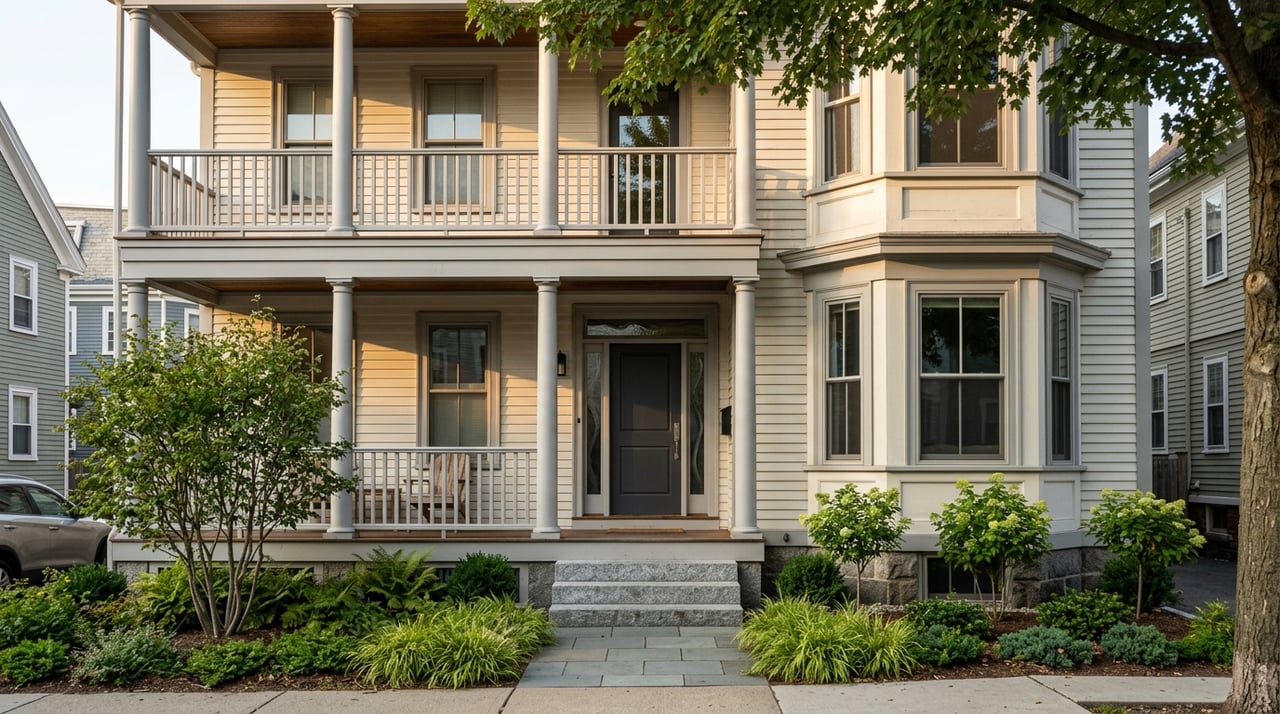
The North End is mostly residential and known for historic brick apartment buildings, narrow cobblestone streets, and a dense urban layout. On the waterfront side, the mix broadens to include hotels, restaurants, bars, wharves, piers, low-scale residential uses, and mixed-use development with substantial public access.
That means the phrase “North End waterfront” can describe very different living experiences. In one case, you may be looking at an older condo conversion in a historic brick building. In another, you may be considering a larger mixed-use condo property with a more service-oriented feel, such as the type of development represented by Battery Wharf.
For a downsizer, this variety matters. Not every building offers the same level of convenience, privacy, storage, or accessibility, even when the address sounds similar on paper.
Brownstone versus condo tradeoffs
If you are moving from Back Bay or Beacon Hill, the biggest adjustment may be less about location and more about how you live inside the building. A brownstone often comes with more room, more separation between living areas, and a stronger sense of private control over your space.
A North End waterfront condo may offer less square footage, less storage, and more shared spaces, but it can also reduce maintenance demands. You may no longer be thinking about the full burden of a larger property. Instead, your focus shifts to building services, condo governance, and whether the unit supports the next stage of your life comfortably.
Storage and space questions to ask
One of the most practical downsizing questions is simple: how much are you actually giving up? The answer will vary by building and unit, but the general tradeoff in this neighborhood is space for convenience.
Before you move, think beyond the headline square footage. Consider where seasonal items, luggage, serving pieces, keepsakes, and visiting family needs will go. A smaller home can work beautifully, but only if the unit’s layout and storage options match your real routines.
Elevators, access, and aging in place
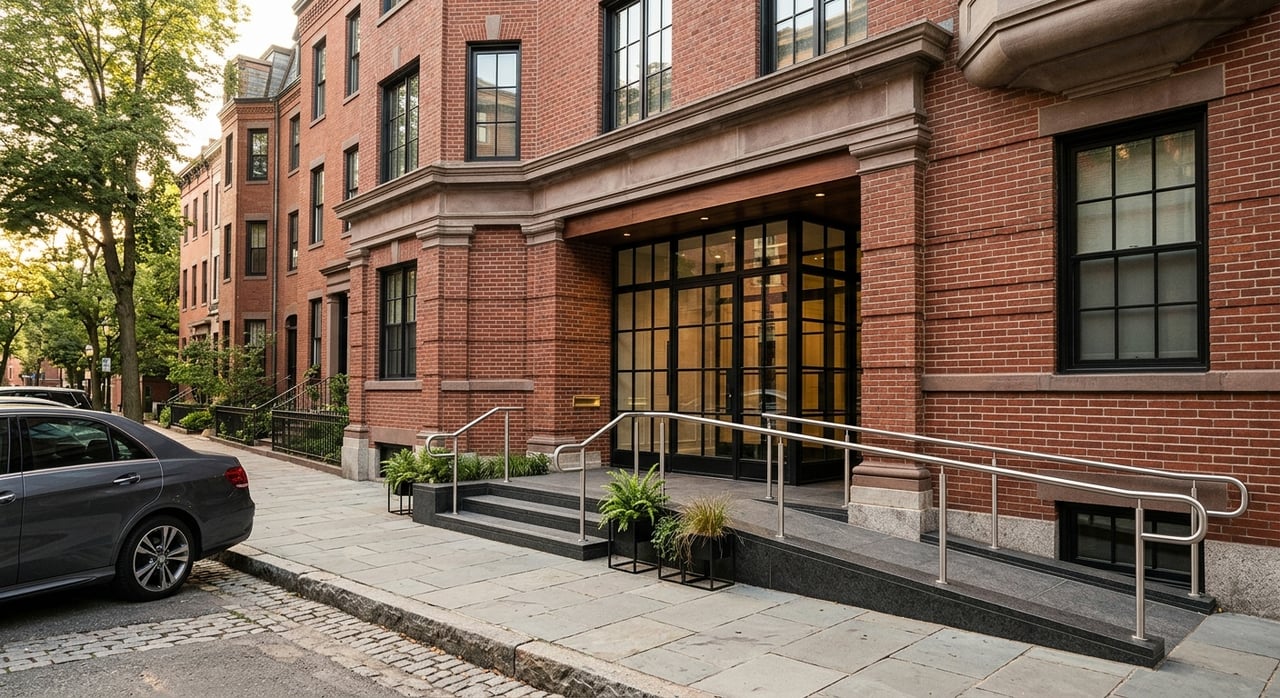
In the North End waterfront, you should never assume a building has an elevator, loading area, storage room, or step-free entry just because of the location. The neighborhood includes a mix of historic apartment buildings and newer mixed-use properties, so features like these must be verified property by property.
This is especially important if you want a home that supports aging in place or easier visits from family and friends. A charming building may still present practical challenges if daily access, deliveries, or move-in logistics are difficult.
When you tour options, look closely at:
- Elevator access
- Step-free building entry
- Loading and move-in logistics
- Private or common storage
- Hallway and door widths
- Stair requirements before reaching the unit
Parking can be the real lifestyle test
Parking is one of the clearest reality checks in a dense neighborhood like this. Boston’s resident parking program gives eligible residents preferential access on streets with resident parking restrictions, and there is no fee for the permit itself.
Still, a permit does not guarantee convenience. Curb space is limited, and demand is high. For many downsizers, the better question is not “Can I get a permit?” but “How often do I truly need a car, and how much friction am I willing to accept?”
If you are considering a move here, it helps to think of car ownership as a lifestyle choice rather than a simple yes-or-no box. Depending on your routines, you may decide a car remains important, or you may realize the neighborhood’s walkability changes the calculation.
Condo documents matter more than you think
In Massachusetts, condominiums are governed by documents such as the master deed, individual deeds, bylaws, and rules and regulations under Chapter 183A. State guidance also notes that associations maintain important records including amendments, meeting minutes, financial records, contracts, and insurance policies.
For you, the key takeaway is that many day-to-day living details are building-specific. Move-in timing, resident conduct rules, guest policies, and practical use restrictions are not neighborhood-wide standards. They are often found in the condo documents.
That is why careful review matters before you commit. A building may look perfect from the outside, but the documents help reveal how the property actually operates.
Questions worth asking before you buy
As you evaluate a North End waterfront move, keep your questions focused on everyday life, not just finishes or views.
Here are some of the most useful ones:
- How much storage comes with the unit?
- Is there elevator access to the residence?
- Is the entry step-free?
- How are move-ins and deliveries handled?
- What do the bylaws and rules say about daily building use?
- If you keep a car, what will parking realistically feel like?
- Does the building’s setup support how you want to live five or ten years from now?
The lifestyle payoff
For the right buyer, the North End waterfront offers a very attractive exchange. You may give up some space and privacy, but gain a neighborhood where restaurants, cafes, public history, recreation, the Harborwalk, and Greenway access are part of normal daily life.
That is what makes this move appealing to many Boston homeowners who are ready to simplify without feeling disconnected from the city. Instead of maintaining more home than you need, you can focus on a lifestyle centered on access, activity, and convenience.
If you are weighing a move from a larger home in Back Bay, Beacon Hill, or another central Boston neighborhood, the most successful transition usually starts with clarity. Knowing what you want to keep, what you are happy to let go, and which building details truly matter can make the process feel far more confident and less overwhelming.
A thoughtful downsizing move is never just about less. It is about finding the version of Boston living that fits you now. If you are considering that next step, Roberta Orlandino can help you evaluate the tradeoffs, identify the right opportunities, and move forward with a strategy tailored to your goals.
FAQs
What does downsizing to Boston’s North End waterfront usually involve?
- It often means trading square footage, storage, and some privacy for a more walkable lifestyle with easier access to restaurants, cafes, waterfront paths, and neighborhood amenities.
What housing types can you find in the North End waterfront?
- The area includes historic brick apartment buildings, older condo conversions, and larger mixed-use waterfront developments, so building style and features can vary significantly.
What should buyers check about North End waterfront condo buildings?
- You should verify elevator access, step-free entry, loading logistics, storage, and the condo’s governing documents rather than assume those features are standard.
What do condo documents in Massachusetts tell you about a building?
- Condo documents can explain rules, bylaws, operational details, financial records, insurance information, and other building-specific policies that affect daily living.
What should you know about parking in Boston’s North End waterfront?
- A Boston resident parking permit can help with legal street parking on restricted streets, but limited curb space and high demand mean parking may still be a challenge.
Why do some Boston homeowners move from a brownstone to the North End waterfront?
- Many are looking to right-size into a home with less maintenance and a more convenient urban lifestyle while staying connected to central Boston.