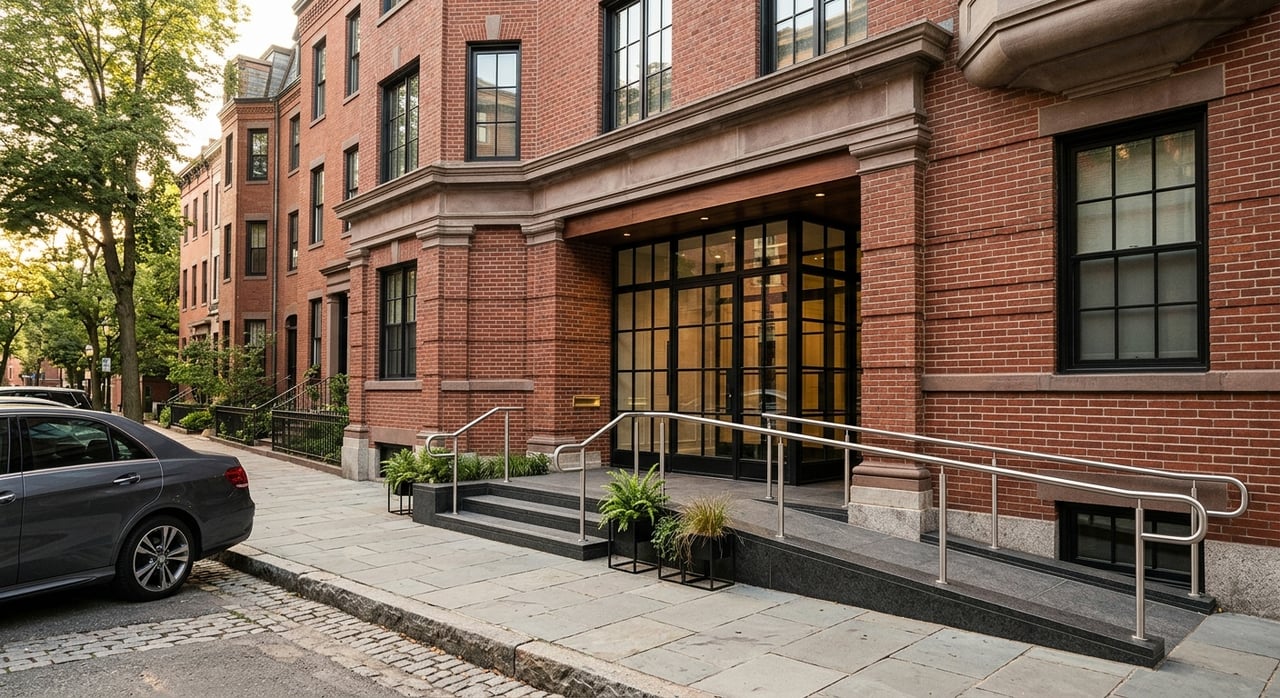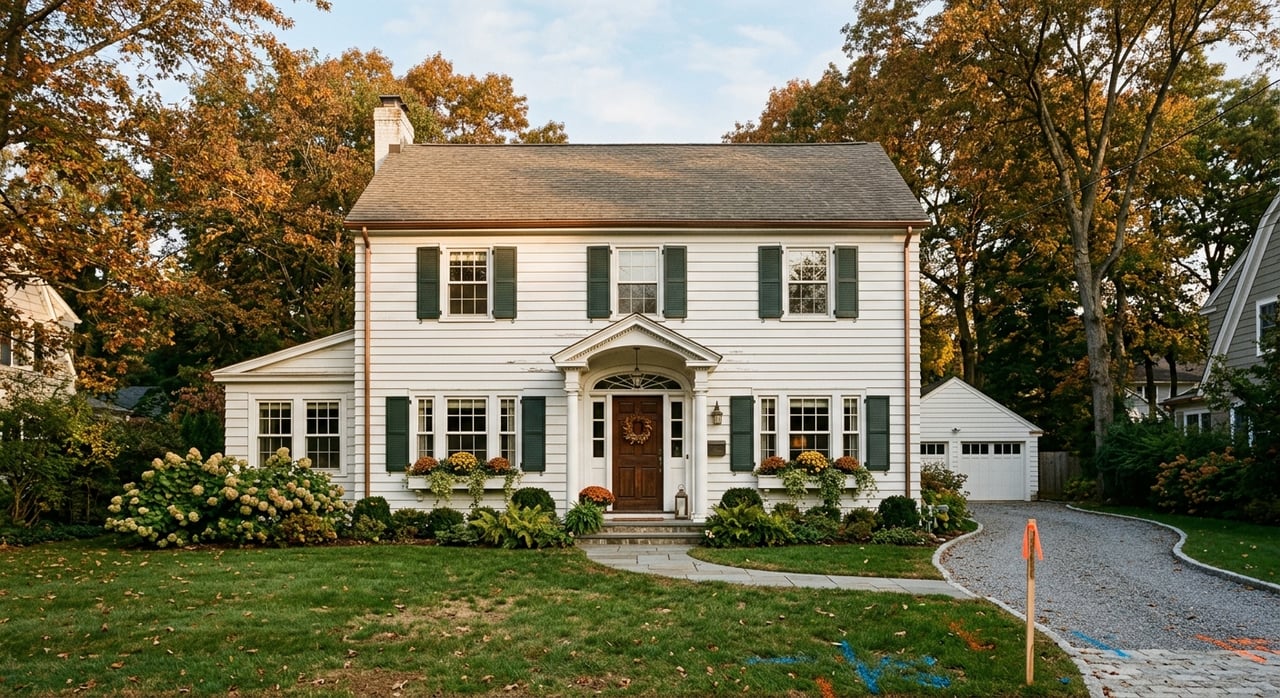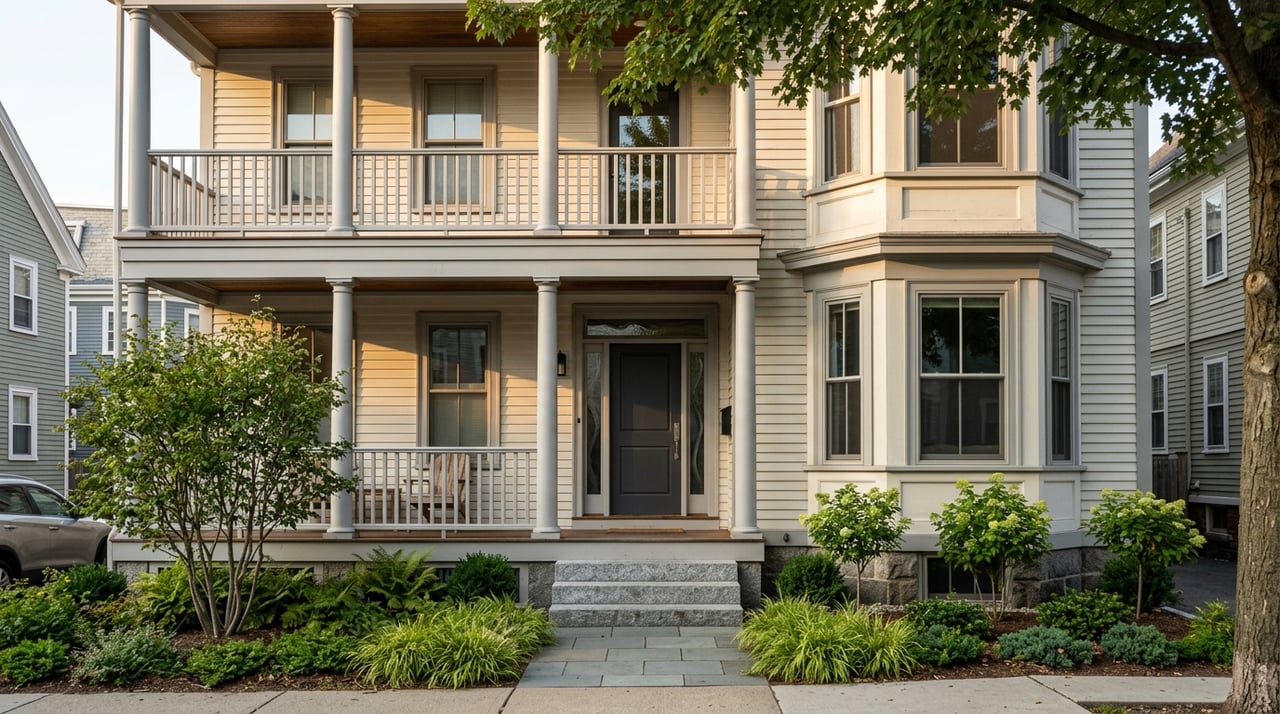
If you want a Boston neighborhood that feels creative without feeling contrived, Jamaica Plain often rises to the top. You may be looking for a place that supports your work, gives you room to breathe, and still keeps you connected to the city. That is exactly where Jamaica Plain stands out, thanks to its visible arts culture, independent business mix, and exceptional access to green space. Let’s take a closer look.
Jamaica Plain has a distinct identity
Jamaica Plain, often called JP, is described by Boston as a classic streetcar suburb and one of the city’s most dynamic neighborhoods. The neighborhood’s identity comes from a mix of cultures, a strong network of community associations and nonprofits, and a growing LGBTQ community. That combination gives JP a grounded, community-oriented feel that many residents find appealing.
What makes the neighborhood especially notable is that it does not read as only urban or only residential. Boston highlights Jamaica Plain’s close connection to the Emerald Necklace, Arnold Arboretum, Franklin Park, and Jamaica Pond. For many creative professionals, that blend of city energy and natural setting creates a daily rhythm that feels both productive and restorative.
Arts culture is part of everyday life
In some neighborhoods, art feels occasional. In Jamaica Plain, it feels built into the local fabric.
Jamaica Plain Open Studios has been running for more than 30 years, and the 2024 event featured about 200 artists across more than 60 sites in the neighborhood. That scale matters because it shows a broad, visible creative network rather than a small niche scene. With sites spread across community spaces and studios, the event reflects how art shows up across JP, not just in one corridor.
The Jamaica Plain Artists Association includes painters, photographers, sculptors, designers, ceramicists, jewelers, printmakers, digital media artists, and more. That variety signals a neighborhood where many kinds of creative work can feel at home. If your work crosses disciplines or you value a community of makers, JP offers that texture.
JP Porchfest adds another layer to the neighborhood’s creative identity. Since launching in 2014, it has brought music, storytelling, dance, and performance into porches, green spaces, and community hubs. That kind of event helps explain why the neighborhood often feels lively, personal, and participatory rather than overly polished.
Boston also points to long-standing institutions like the Footlight Club and the Eliot School of Fine and Applied Arts. The Eliot School offers classes in woodworking, sewing, fiber arts, drawing, photography, printmaking, upholstery, and furniture restoration. For residents, these are not abstract cultural assets. They are places where making, learning, and teaching are part of neighborhood life.
Independent businesses shape the atmosphere
A creative neighborhood usually needs more than housing and transit. It also needs places where people can meet, think, work, and recharge.
According to a Boston University neighborhood guide, much of Jamaica Plain’s shopping and dining clusters along Centre Street, and the area has relatively few chain stores. The same guide notes the neighborhood’s interest in the environment, fair-trade commerce, and sustainable agriculture. Together, those traits give JP a more independent, values-driven feel.
That atmosphere shows up clearly in the local food and café scene. Boston University highlights businesses such as Cafe Siete, Jadu, Brassica Kitchen + Café, and Tres Gatos. These are the kinds of places that support more flexible routines, whether you are meeting a client, sketching out a project, or catching up with friends after work.
Some businesses are especially notable because they function as true third places. Ula Cafe describes itself as a bakery, café, and meetup spot, while Jadu presents itself as a culturally informed coffee shop with a wine-bar component. In practical terms, that means Jamaica Plain offers spaces that support both work and community, which is a major draw for freelancers, artists, designers, and other creative professionals.
Green space changes daily life
One of the strongest reasons Jamaica Plain attracts creative professionals is simple: the neighborhood gives you access to nature at a scale that is unusual in a major city.
The Emerald Necklace is a seven-mile chain of parks, and JP sits right within that larger landscape. In Jamaica Plain itself, Jamaica Pond covers 68 acres. Arnold Arboretum adds 281 acres and is free and open daily, while Forest Hills Cemetery contributes another 275 acres of landscaped green space, arboretum, and sculpture garden.
That kind of access can shape your daily routine in meaningful ways. You can start the morning with a walk, break up the workday with time outdoors, or use the neighborhood’s open space as a regular source of reset and inspiration. City planning data adds another important point: Jamaica Plain has 99.29% open-space access and 525.7 square feet of open space per capita.
For many buyers, that balance is hard to find elsewhere. You are not choosing between city life and outdoor access. In JP, you can have both.
Mobility supports flexible urban living
Creative professionals often value flexibility just as much as aesthetics. Jamaica Plain supports that with transit access, bike connectivity, and walkable commercial areas.
Boston’s Centre/South Transportation Action Plan identifies Centre and South Streets as part of one of the city’s most vibrant commercial districts. The plan also notes that the 39 bus is a key route and that the city has worked on bike lane infrastructure along Centre Street while continuing to focus on safety, connectivity, and placemaking. Those details help explain why the neighborhood works well for people with varied schedules and hybrid routines.
Boston University also places JP about 3.5 miles from Boston University by bike, bus, or T. More broadly, the neighborhood’s accessibility helps residents stay connected to downtown Boston and nearby employment centers while still enjoying a more village-like atmosphere at home.
Housing options fit different life stages
Part of Jamaica Plain’s appeal is that it offers a wider housing mix than many buyers expect. That variety can matter whether you are buying your first condo, seeking a multi-family property, or looking for a home that better matches a changing lifestyle.
Boston’s neighborhood profile found 17,650 housing units in 2010, with a mix of owner-occupied and renter-occupied homes. In 2011, the assessed housing stock included 21.2% single-family homes, 12.4% two-family homes, 14.4% three-family homes, and 52.0% condominium units. That mix supports a broad range of residential formats, including classic triple-deckers and renovated condos.
A later city planning snapshot described Jamaica Plain as identifiable by its many triple-decker homes and noted that the neighborhood had the lowest vacancy rate in Boston. For buyers and investors, that points to sustained demand. For residents, it helps reinforce the idea that JP offers both architectural character and practical housing choice.
An educated, engaged resident base adds momentum
Creative professionals are often drawn to places where ideas, collaboration, and civic engagement already feel active. Jamaica Plain shows several signs of that kind of environment.
Boston’s Community Preservation Plan reported that 35.22% of residents age 25 and older had a master’s degree or higher. While education levels alone do not define a neighborhood, they can help explain why certain places attract people working in design, education, nonprofit leadership, media, research, and other knowledge-based fields.
Combined with the neighborhood’s arts infrastructure, independent business base, and open-space access, that data helps paint a fuller picture. Jamaica Plain appeals not only because it is attractive, but because it supports a way of life that many creative and mission-driven professionals actively want.
Why Jamaica Plain stands out in Boston
Jamaica Plain’s appeal is not based on one feature alone. It comes from a rare combination of visible creative culture, independent gathering places, substantial park access, and a housing stock that spans multiple property types.
Compared with more traditional inner-core Boston neighborhoods, JP often feels more eclectic and village-like because its character comes from a patchwork of triple-deckers, condos, independent storefronts, arts institutions, and major landscape assets. If you are looking for a neighborhood that feels expressive, connected, and livable, Jamaica Plain makes a strong case.
For buyers, renters, and investors trying to make sense of Boston’s neighborhood options, that distinction matters. The right fit is not only about price point or commute. It is also about how a neighborhood supports the way you want to live and work.
If you are exploring Jamaica Plain or comparing it with other Boston neighborhoods, working with a local advisor can help you weigh the housing mix, lifestyle tradeoffs, and long-term value with more clarity. To talk through your options with a seasoned Boston real estate advisor, connect with Roberta Orlandino.
FAQs
Why does Jamaica Plain appeal to creative professionals?
- Jamaica Plain offers a strong mix of arts institutions, neighborhood-wide creative events, independent cafés and restaurants, flexible community spaces, and exceptional access to parks and open space.
What arts and culture features are in Jamaica Plain?
- Jamaica Plain is home to Jamaica Plain Open Studios, JP Porchfest, the Jamaica Plain Artists Association, the Footlight Club, and the Eliot School of Fine and Applied Arts, all of which contribute to an active local creative ecosystem.
What is the housing mix like in Jamaica Plain?
- City data shows a varied housing stock that includes single-family homes, two-family homes, three-family homes, and a large share of condominium units, including many classic triple-deckers and renovated condos.
How much green space does Jamaica Plain have?
- Jamaica Plain benefits from major access to the Emerald Necklace and includes nearby assets such as 68-acre Jamaica Pond, 281-acre Arnold Arboretum, and 275 acres at Forest Hills Cemetery, along with very high neighborhood open-space access.
Is Jamaica Plain well connected to the rest of Boston?
- Yes. City planning materials identify Centre and South Streets as a vibrant commercial corridor, note the importance of the 39 bus, and highlight ongoing work to improve bike safety and connectivity in the neighborhood.