Love the energy of Fenway but want your purchase to work hard as an investment too? You are not alone. Many Boston buyers look to this neighborhood for world‑class culture, easy transit, and strong rental demand, and they also want clarity on pricing, rules, and long‑term value. In this guide, you will get a clear picture of lifestyle perks, product types, market signals, rental rules, and due diligence so you can buy with confidence. Let’s dive in.
Why Fenway draws buyers
You live near iconic institutions and parks. The neighborhood anchors include Fenway Park, the Emerald Necklace, Huntington Avenue’s Museum of Fine Arts and Isabella Stewart Gardner, Symphony Hall, and Berklee. The Boston Planning & Development Agency highlights this cultural cluster and the blend of classic row houses with newer towers in its Fenway neighborhood profile.
You move easily without a car. Fenway is highly walkable and transit rich, with a neighborhood Walk Score around the mid‑90s and Transit Score around the low‑90s for the Fenway–Kenmore–Longwood area, according to Walk Score. Kenmore is the local Green Line hub where the B, C, and D branches converge, and Kenmore Station gives you short trips to Back Bay, Longwood, and downtown. That access is a durable lifestyle and rental draw.
You tap into a deep tenant base. Fenway has an unusually high institutional footprint. About 63 percent of residents were enrolled in college or university in the 2017–2021 period, per the BPDA. The City’s Student Housing Report also shows heavy off‑campus concentration in zip codes 02115 and 02215, which include Fenway, reinforcing stable rental demand from students and nearby medical centers (Student Housing Report, 2022).
Key tradeoffs to factor in
The lifestyle is lively. Game days and concerts energize Lansdowne and Kenmore but also create periodic noise and congestion. Nightlife corridors can be busy, and on‑street parking is limited.
Turnover can be seasonal. With a large student and institutional population, some blocks experience higher turnover around the academic calendar. As an owner, you should plan for occasional tenant changeovers and professional cleaning on lease turns.
Know environmental and event exposure. Some market sources flag increasing flood risk for select locations in Fenway due to low‑lying areas. Event crowds can add brief but real externalities like noise and cleanup on certain days.
Quick pros and cons
- Pros: walkability and transit, major arts and parks, proximity to Longwood and campuses, dependable long‑term rental demand, growing retail around Kenmore.
- Cons: higher price per square foot in many pockets, periodic game‑day congestion and nightlife noise, limited parking, seasonal rental turnover, and near‑term supply from new development.
What you will find on the market
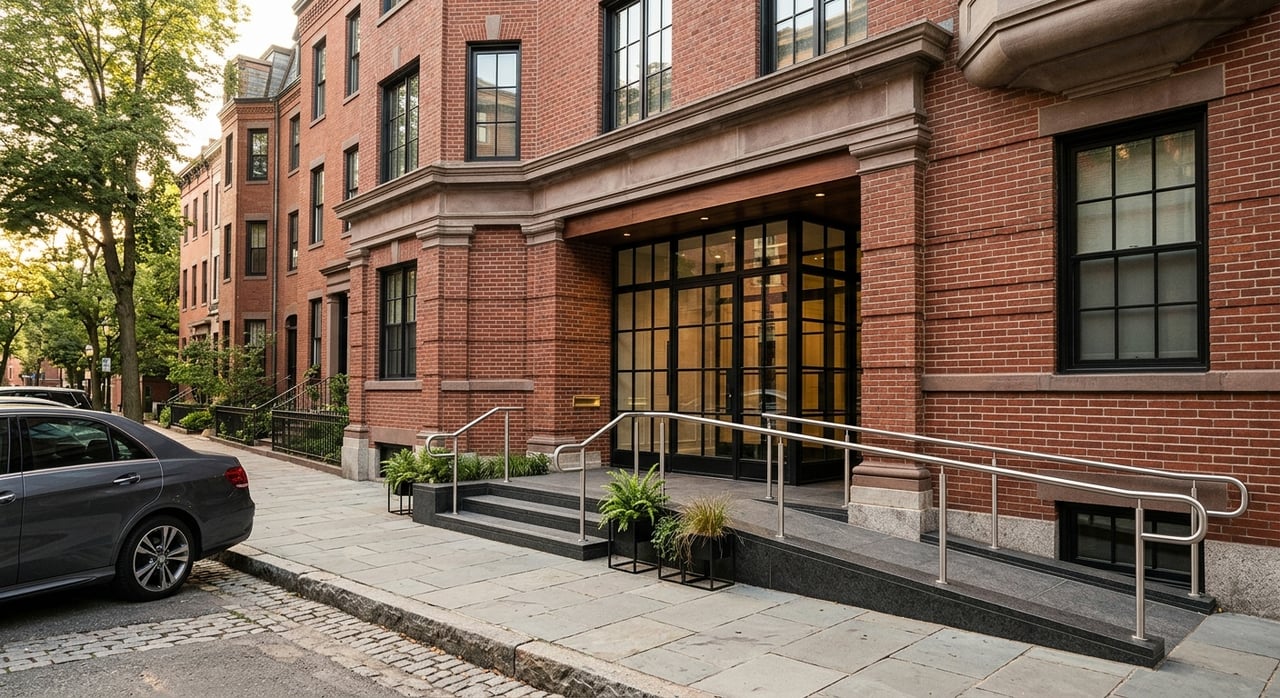
Expect a mix of heritage and modern product. You will see historic brick walk‑up condos and brownstone units, small two‑ to three‑family buildings, mid‑rise condos with modest amenities, and newer full‑service towers with concierge and gyms. The BPDA notes the contrast between “stately brick row houses” and newer towers in its Fenway overview.
Monthly assessments vary by building type. Small historic associations often charge a few hundred dollars per month and cover basics. Full‑service towers can run many hundreds to over a thousand dollars per month, reflecting amenities and higher operating costs. Your monthly budget should include HOA fees, utilities, and insurance.
Product comparison: lifestyle and investment fit
Historic walk‑up or brownstone condo
- Lifestyle: classic Boston character, tree‑lined blocks, and quick access to museums and the park.
- Investment: appeal to tenants who value charm and location; typically strong rent per square foot.
- Considerations: fewer amenities, potential stairs, and variable reserves in small HOAs. Confirm building insurance, reserves, and any planned capital work.
Small two‑ to three‑family building
- Lifestyle: live in one unit and rent the others, or hold as a long‑term rental asset.
- Investment: flexible cash flow, strong demand from medical and university tenants.
- Considerations: hands‑on management, City rental registration and inspections, and financing terms that reflect income property.
Newer full‑service tower condo
- Lifestyle: concierge, fitness, newer systems, and modern layouts near Kenmore and the ballpark.
- Investment: premium rents and broader relocation appeal.
- Considerations: higher monthly fees, possible investor concentration, and project‑level financing reviews that can affect loan options.
New development and supply outlook
Several multi‑block projects are in planning or delivery. Fenway Corners, reviewed by the BPDA, includes roughly 266 residential units in initial phases, with a set‑aside for income‑restricted homes. Large projects like this add housing, retail, and public realm upgrades over time. You can track approvals on the BPDA’s project update.
Why this matters to you: a larger pipeline can temper short‑term price pressure and shift tenant mix. It can also enhance street‑level amenities and improve daily convenience. When you evaluate a listing, check nearby projects and their timing so you can set fair expectations for rent comps and resale.
Prices, pace, and what that means
MLS‑based neighborhood snapshots for early 2026 show a median sale price around 1.17 million dollars in Fenway–Kenmore, about 52 days on market, and a sale‑to‑list ratio just under 100 percent. Index measures tell a different story. Zillow’s neighborhood value index was about 675 thousand dollars during the same window. The gap reflects differences in methodology and mix. Fenway has many small condos and also higher‑end tower units, so medians will swing based on what closes in a given month.
How to use these numbers: price per square foot and true comps in your building matter more than a single citywide index. Look at recent closed sales for your product type and condition. Then factor in HOA fees, taxes, and any assessments to get to a real monthly number.
Renting your unit: what Boston allows
Short‑term rentals face strict limits. Boston’s ordinance requires registration and generally ties the most common short‑term rental licenses to an owner‑occupied primary residence. The City sets occupancy caps, requires proof of primary residence, and requires you to display your registration number on listings. Licenses must be renewed and do not automatically transfer when a unit sells. Review the City’s rules on short‑term rentals before you underwrite any nightly revenue.
Long‑term rentals require registration and inspections. If you plan to lease your unit on a standard lease, the City requires rental registration and periodic inspections with fees and deadlines. See the City’s guidance on how to register a rental property and confirm your building’s status during due diligence.
Financing and HOA diligence that protect value
Condominium financing depends on the project, not just the borrower. Lenders and secondary market buyers like Fannie Mae review project standards such as owner‑occupancy, reserves, budget health, delinquencies, litigation, and developer control. Units in investor‑heavy or newer projects can face added scrutiny that narrows eligible loan products. You can review Fannie Mae’s project standards overview to understand what underwriters look for.
Bring a documentation checklist to every showing:
- Building and HOA packet: two‑year budget, reserve study, current assessment, insurance certificates, special assessments, and any pending litigation.
- Occupancy mix: owner‑occupancy percentage and investor concentration, plus any short‑term rental registrations in the building.
- City compliance: long‑term rental registration status and any open code violations. Confirm that any stated STR approval matches the City’s registry and remember licenses typically do not transfer on sale.
- Local pipeline: nearby BPDA filings and timing so you understand future supply and streetscape changes.
- Climate exposure: first‑order flood risk, required flood insurance, and mitigation such as elevated systems.
Budgeting smarter in Fenway
Set your all‑in monthly number early. For condos, the HOA fee is not just a line item. It is part of your carrying cost and affects your purchasing power. For towers, factor in concierge, fitness, utilities, and any amenity add‑ons. For small associations, review reserves and common‑area needs so you can plan for capital projects.
New construction can set the bar for pricing. Across Massachusetts, median listing prices for new builds moved above one million dollars in 2024, which helps explain why newer towers command premiums and can lift nearby resale benchmarks. See the statewide context in Axios’s look at new‑build pricing. When you compare options, weigh the upfront price and monthly fees against maintenance savings and tenant appeal.
Who Fenway fits
- Culture‑first owner: You want museums, music, and the park a short walk away. You accept event‑day energy in exchange for daily convenience.
- Pied‑a‑terre buyer: You want a lock‑and‑leave base in the city near Back Bay and Longwood. You value security and services but do not plan on nightly rentals due to City rules.
- Long‑term investor: You want stable tenant demand from students, medical staff, and downtown workers. You will underwrite conservative rent, budget for turnover, and comply with City registration.
Your next step
Buying near Fenway can deliver a rich daily experience and a solid long‑term hold if you balance lifestyle and numbers. Focus on building type, HOA health, City rules, and true comps, and you will make a clear, confident decision. If you would like tailored guidance, a private tour of on‑ and off‑market options, or a pro‑forma for a specific building, connect with Roberta Orlandino for a calm, data‑driven plan.
FAQs
What should a first‑time buyer know about Fenway condos?
- Expect a mix of historic walk‑ups and modern towers, wide variation in HOA fees, and event‑day energy near Kenmore and the ballpark. Check building reserves, insurance, and nearby BPDA projects.
How do Boston’s short‑term rental rules affect investment condos in Fenway?
- The City ties most STR licenses to an owner‑occupied primary residence, requires registration and renewal, and does not transfer licenses on sale, which limits pure nightly rental strategies.
Are Fenway rentals easy to fill if I buy to let?
- The area draws steady demand from off‑campus students and nearby medical employers, which supports long‑term leases. Plan for seasonal turnover and City rental registration and inspections.
Why do price metrics for Fenway look inconsistent online?
- MLS medians reflect closed sales and swing with the mix of units that sell, while index measures blend models across housing types. In a mixed condo market like Fenway, that gap can be large.
What financing issues can slow a Fenway condo sale or purchase?
- Project‑level factors such as owner‑occupancy, reserves, delinquencies, litigation, or developer control can limit loan options. Lenders follow standards similar to Fannie Mae’s project reviews.
How might new development like Fenway Corners affect value?
- Added units can ease short‑term pressure on pricing and rents, but also bring new retail and streetscape upgrades that enhance daily life. Check phase timing when comparing comps.