Choosing between a rowhouse and a condo in Charlestown is not just about square footage or style. It is really about how you want to live, what level of responsibility feels comfortable, and which tradeoffs make sense for your budget and long-term plans. If you are weighing both options in one of Boston’s most distinctive neighborhoods, this guide will help you compare the factors that matter most. Let’s dive in.
Why Charlestown feels different
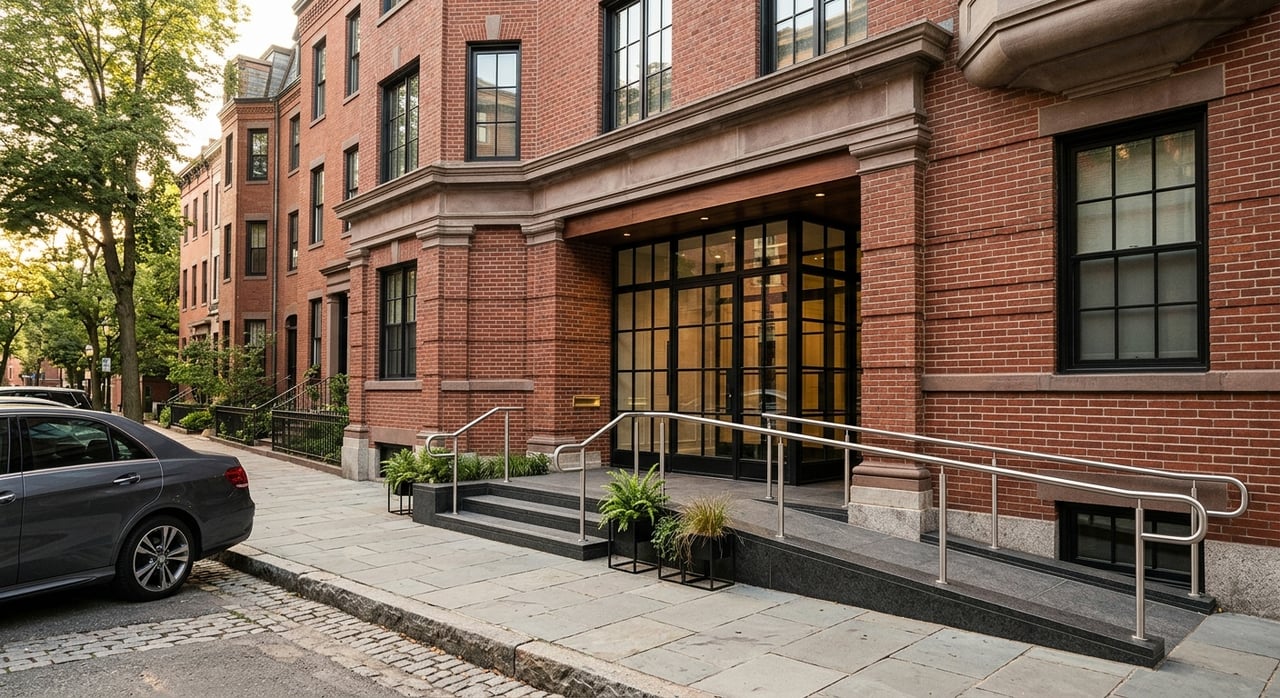
Charlestown offers a mix of historic character and close-in city access that is hard to replicate elsewhere in Boston. The neighborhood sits along Boston Harbor and the Mystic River, with well-known public spaces like City Square Park, John Harvard Mall, Paul Revere Park, and the Training Field, according to the City of Boston’s Charlestown overview.
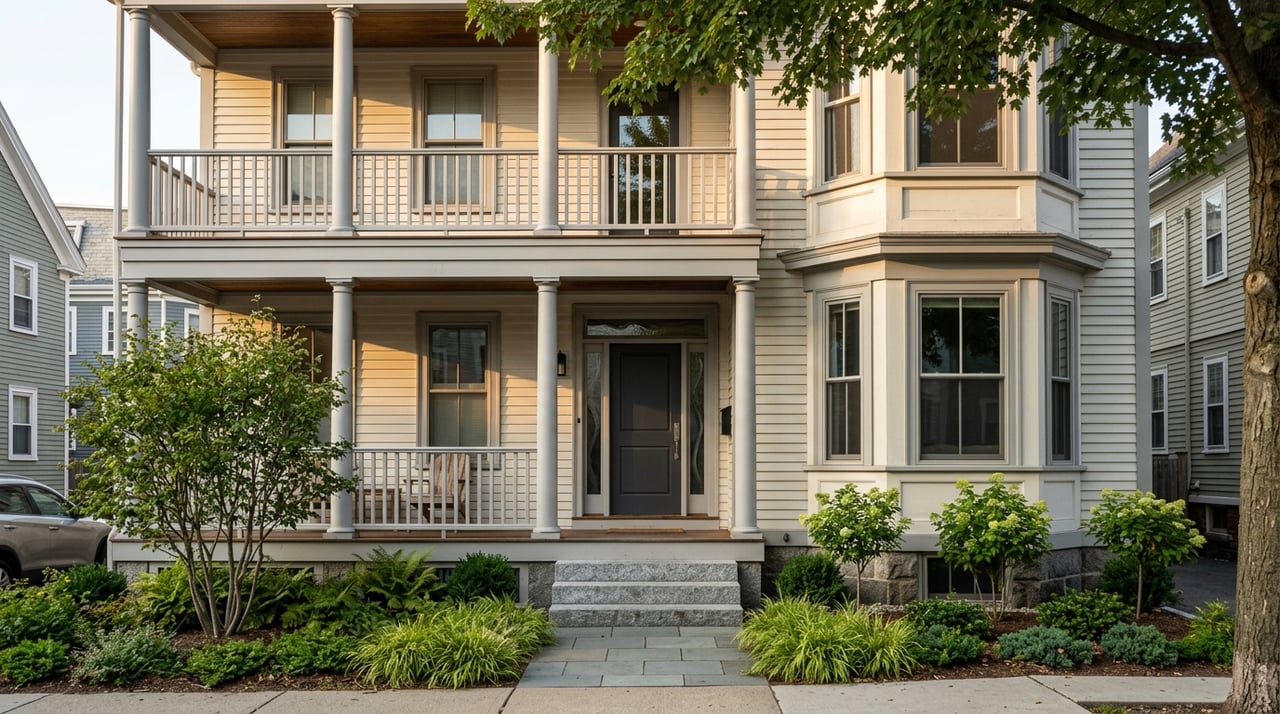
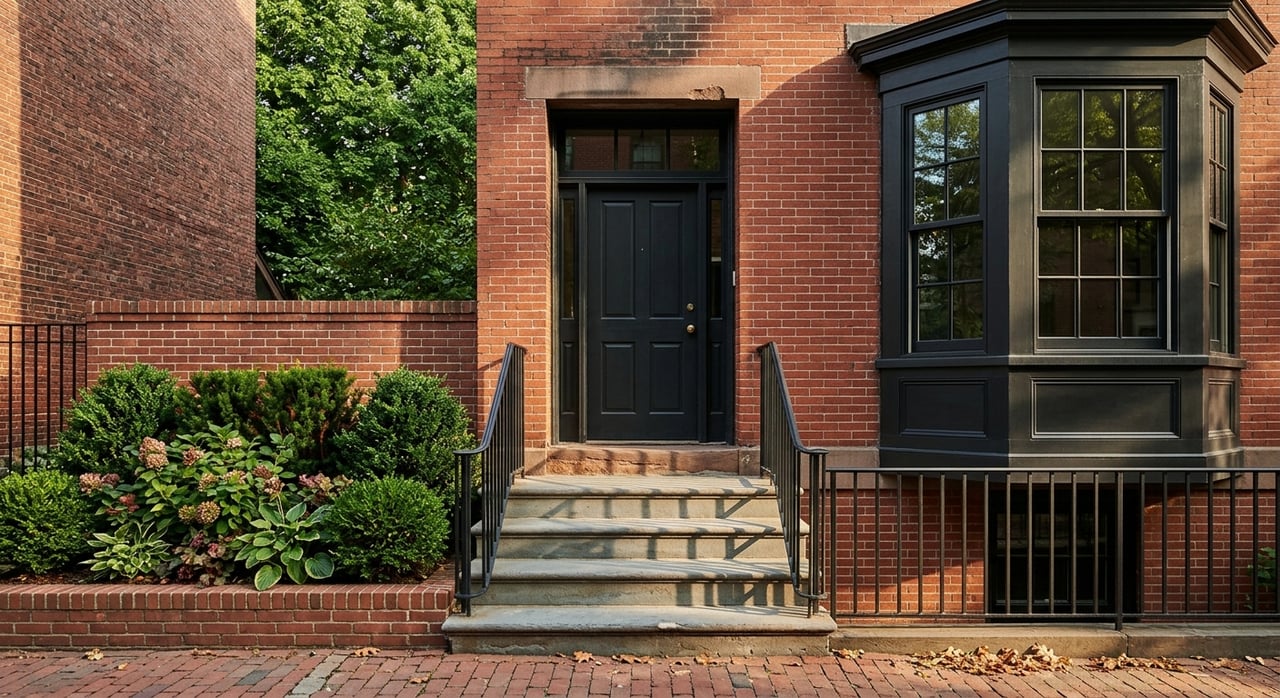
It also has a housing pattern that stands apart from many other Boston neighborhoods. Climate Ready Boston’s Charlestown focus area report notes that the area is dominated by low-rise row houses and wood-framed two- and three-family buildings, with residential-only properties making up nearly 60% of neighborhood structures and about 60% of current real estate market value. That helps explain why buyers here often narrow their search to one key question: rowhouse or condo?
Rowhouse vs condo basics
At a high level, a rowhouse usually gives you more control because you own the whole building rather than one unit within a shared association. A condo usually offers a more shared ownership structure, where you own your unit’s interior living space while exterior walls, the roof, and common areas are maintained collectively.
In Massachusetts, condo ownership is governed through deeds, bylaws, master documents, and Chapter 183A guidance summarized by Mass.gov. That framework matters because it shapes who makes building decisions, how repairs get paid for, and what your monthly obligations look like.
Maintenance and control
Rowhouses offer more autonomy
If you buy a Charlestown rowhouse, you are typically buying the entire property. That often means you can make more day-to-day decisions about maintenance timing, contractor selection, and capital improvements, subject to any applicable historic review or local regulations.
That control can be appealing if you want a more self-directed ownership experience. It can also be a major responsibility, especially in a neighborhood with many older homes where roofing, masonry, exterior upkeep, and building systems may require ongoing attention.
Condos spread out responsibility
With a condo, building maintenance is usually shared through the association. HUD and Massachusetts condo guidance describe a structure in which owners pay monthly fees that help cover common-area and exterior maintenance, repairs, and reserve funding.
For many buyers, that makes ownership feel more predictable. You may give up some direct control over building decisions, but you may also avoid handling every repair item on your own.
What this means in Charlestown
In Charlestown, the age and character of the housing stock make this tradeoff especially important. A rowhouse may offer greater independence, but older attached homes can bring larger and less predictable repair costs over time.
A condo may simplify exterior upkeep, but you will want to understand the association’s budget, reserve structure, and rules before you buy. The right choice depends on whether you value flexibility more than predictability.
Monthly costs and budgeting
Condo fees are part of the equation
One of the biggest differences between rowhouses and condos is how ownership costs show up each month. Condo buyers need to look beyond the purchase price and factor in HOA dues, which may cover items such as water, sewer, insurance, exterior maintenance, or building services.
Charlestown examples show how wide that range can be. A condo at 3 Harvard Pl #1 carried a $195 monthly HOA fee that included water, sewer, and insurance, while a unit at 30 Monument Sq #303 reflected a more amenity-oriented setup with features like elevator access and parking, based on examples cited in the research report.
Rowhouses may have fewer fixed shared fees
A rowhouse usually does not come with a traditional condo fee unless the property has been condoized. That can make the monthly carrying picture look simpler at first glance.
Still, the absence of an HOA does not mean lower total ownership cost. It usually means you are paying for major repairs directly and on your own schedule, which can make costs less predictable from year to year.
Outdoor space and parking
Do not assume by property type
In Charlestown, outdoor space and parking are often building-specific rather than property-type-specific. A rowhouse may have a backyard or patio, but a condo may also include a patio, garden rights, garage parking, or deeded gated parking.
The research examples make that clear. A rowhouse at 5 Adams St advertised a backyard and patio, while 3 Harvard Pl #1 included a patio, garden, and one garage space, and 30 Monument Sq #303 included deeded gated parking.
Verify rights in writing
This is one of the most important parts of the decision. Instead of assuming a rowhouse always gives you more outdoor room or that a condo means giving those features up, confirm exactly what is deeded and what is shared.
You will want clear answers about:
- Private vs shared outdoor space
- Deeded parking vs guest or permit parking
- Garage access and dimensions
- Storage rights
- Roof deck or patio use rights
Parking matters across Charlestown
Parking can be a real quality-of-life issue in the neighborhood. Boston planning documents for Charlestown describe congestion, limited road capacity, and limited parking, while also noting the city’s work to reduce parking stress and refine resident permit boundaries. Boston’s resident parking permit program is free, according to the city’s transportation planning materials for Charlestown.
That makes parking rights a meaningful part of any purchase decision. In many cases, the specific deeded arrangement matters more than whether the home is technically a condo or a rowhouse.
Resale value and market strength
Charlestown remains a tight market
Charlestown continues to command premium pricing. Zillow reported an average home value of $980,294 as of February 28, 2026, up 0.9% year over year, with only 28 homes for sale and 9 new listings in the neighborhood, based on Zillow’s Charlestown home value data.
That same source placed Boston overall lower, at $768,702 and down 0.4% year over year. Redfin also described Charlestown as very competitive and reported a median sale price of $1,036,250 in February 2026, up 12.0% from a year earlier, with only 9 condos for sale at a median listing price of $1.02M, as summarized in the research report.
Both property types can appreciate
It is easy to assume that rowhouses always outperform condos, but the examples in Charlestown suggest a more balanced picture. Both formats have shown meaningful appreciation when the property is well-located and updated.
The rowhouse at 5 Adams St sold for $1.773 million in 2017 and $2.9 million in 2023. The condo at 3 Harvard Pl #1 sold for $667,450 in 2005 and $984,000 in 2024, while 30 Monument Sq #303 showed a long record of value growth across multiple sales.
What buyers should focus on
In a competitive market like Charlestown, resale strength is often tied to the full package rather than the label alone. Buyers tend to respond to location, layout efficiency, renovation quality, parking, and outdoor space.
That means your decision should be less about broad assumptions and more about how a specific home compares with other options in the neighborhood. A well-positioned condo may outperform an average rowhouse, and the reverse can also be true.
Historic review and future changes
Charlestown buyers should also think about future renovation plans before choosing a property type. Exterior changes in historic districts and on landmarks may be reviewed by the Boston Landmarks Commission design review process, and the Monument Square area is currently under landmark-district study.
For rowhouse buyers, that may affect how easily you can change windows, exterior details, or facade elements. For condo buyers, the process may be even more layered because association approval may come before or alongside public review.
If customization matters to you, this is worth discussing early in your search.
Climate resilience and long-term upkeep
Charlestown’s location near the harbor and river adds another layer to the comparison. Climate Ready Boston notes that the neighborhood faces coastal and riverine flood exposure, and that many older buildings include basements or below-grade finished areas that may be vulnerable through windows at grade.
This does not make one property type automatically better. It does mean you should pay close attention to building condition, lower-level space, drainage, insurance considerations, and any future renovation costs tied to resilience.
That can be especially relevant for older rowhouses and for ground-floor condo units. In either case, the property’s physical details matter more than a simple category label.
How to choose the right fit
If you are deciding between a Charlestown rowhouse and condo, these are often the most useful questions to ask:
- Do you want direct control over maintenance and upgrades?
- Would you rather have more predictable monthly costs through HOA dues?
- How comfortable are you with irregular repair expenses?
- How important are deeded parking and private outdoor space?
- Do you expect to renovate or change exterior features in the future?
- Are you comfortable evaluating flood exposure, basement conditions, and older building systems?
In practical terms, a rowhouse may fit you better if you want autonomy, more direct stewardship of the property, and are prepared for hands-on maintenance decisions. A condo may fit you better if you prefer shared upkeep, more predictable budgeting, and a simpler day-to-day ownership model.
The best choice is the one that aligns with how you actually want to live in Charlestown, not just what sounds appealing on paper. If you want thoughtful guidance as you compare options in Boston’s historic in-town neighborhoods, Roberta Orlandino offers a calm, highly tailored approach grounded in local market knowledge and long-term client care.
FAQs
What is the main difference between a Charlestown rowhouse and a Charlestown condo?
- A rowhouse usually means owning the whole building and handling maintenance directly, while a condo usually means owning the interior unit space and sharing exterior and common-area responsibilities through an association.
Are condo fees in Charlestown worth it for buyers?
- Condo fees can be worthwhile if you value predictable monthly costs and shared maintenance, but you should review what the fee covers, how strong the reserve fund is, and what rules apply.
Does a Charlestown rowhouse always include more outdoor space than a condo?
- No. In Charlestown, outdoor space is often building-specific, so you should verify whether patios, gardens, roof decks, or yards are private, shared, or deeded.
Is parking easier with a Charlestown condo or a Charlestown rowhouse?
- Not necessarily. Parking depends more on the specific property’s deeded rights, garage access, or permit situation than on whether it is a condo or rowhouse.
Do Charlestown condos and rowhouses both appreciate over time?
- The examples in the research report show strong appreciation in both property types, especially when homes are well-located and updated.
Should buyers in Charlestown consider flood exposure when choosing a home?
- Yes. Because Charlestown faces coastal and riverine flood exposure, it is smart to evaluate basement conditions, ground-floor vulnerability, drainage, and potential long-term maintenance or insurance implications.
Can historic review affect renovations to a Charlestown rowhouse or condo?
- Yes. Exterior changes may be subject to review by the Boston Landmarks Commission in certain areas, and condo owners may also need association approval depending on the building.