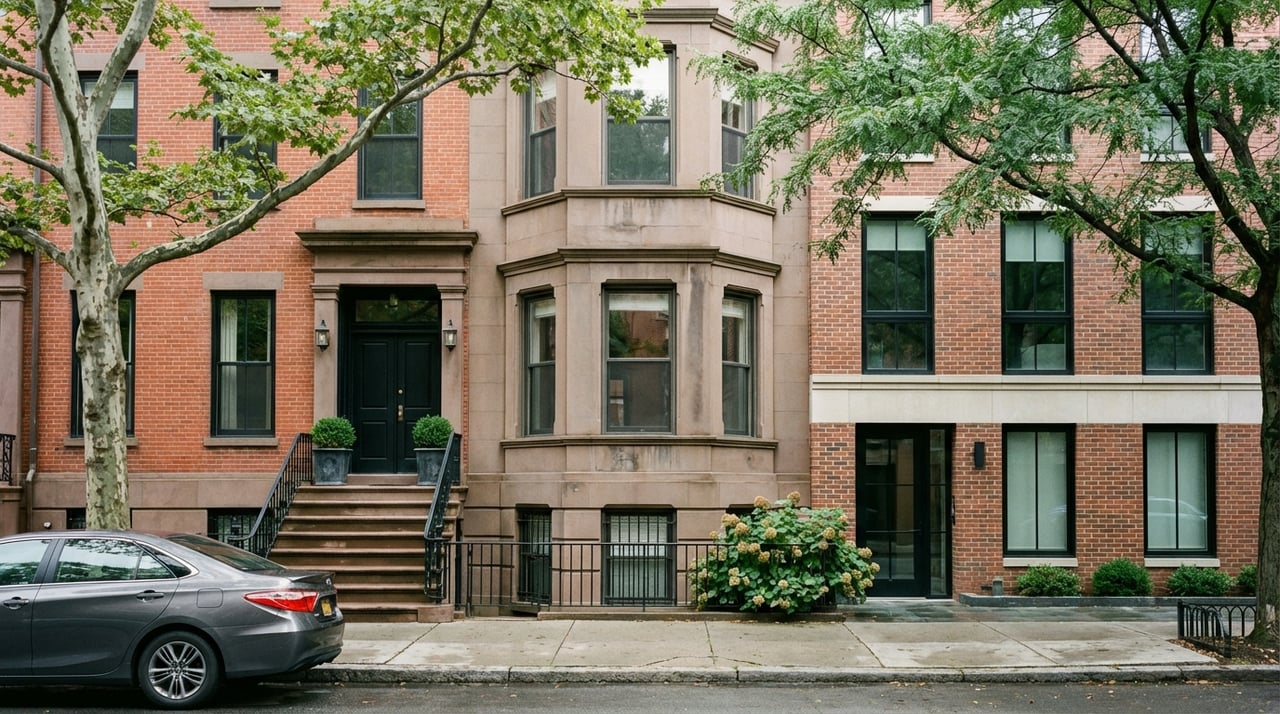
Shopping for a Cambridge condo, townhome, or single-family above the typical price range? You may need a jumbo mortgage to make it happen. Navigating jumbo financing can feel complex, especially with condo reviews and appraisals in Cambridge’s micro-markets. You deserve a clear, practical path that helps you qualify with confidence.
In this guide, you’ll learn what counts as a jumbo loan in Massachusetts, what lenders look for, how Cambridge appraisals and condo reviews work, and how to prepare a lender-ready file. You’ll also get a step-by-step checklist and offer strategies tailored to Cambridge. Let’s dive in.
What is a jumbo loan in Cambridge
A jumbo mortgage is any loan amount above the conforming limit set by the Federal Housing Finance Agency. Loans at or below the limit can be sold to Fannie Mae or Freddie Mac. Loans above that limit are considered jumbo. You can verify current numbers on the FHFA conforming loan limits page.
For 2024, the national baseline conforming limit for a one-unit property is 766,550, and the high-cost ceiling is 1,149,825. Limits are set by county. Cambridge properties fall in Middlesex County, so your lender will use the FHFA county table to determine the exact threshold for your address.
In practice, many higher-end Cambridge condos and townhomes, including luxury units near Harvard, Kendall, and Porter, often exceed the baseline limit. If your loan amount is above the county’s conforming limit, you will likely use a jumbo program. For a plain-language overview, see the CFPB explanation of jumbo loans.
What lenders look for on jumbo files
Every lender sets its own jumbo guidelines. The ranges below are common in today’s market. Confirm specifics with your chosen lender.
Credit score
- Typical minimums range from 700 to 740 for many programs.
- Prime pricing often begins at 720 or higher.
- Strong credit can improve your rate and reduce fees.
Down payment and loan-to-value
- Primary residence: many lenders allow 10 to 20 percent down for well-qualified buyers.
- Larger loan sizes may require 20 percent or more down.
- Second homes or investment properties usually need higher down payments and lower LTVs.
Debt-to-income ratio
- Typical maximum DTI is 43 to 45 percent.
- Some portfolio or private bank programs may allow higher DTI with strong compensating factors such as large reserves, lower LTV, or exceptional credit.
Reserves
- Expect 6 to 12 months of PITI in reserves for many primary residence jumbos.
- Larger loans or second homes can require 12 to 24 months.
- Reserves can come from bank, brokerage, or retirement accounts, subject to documentation.
Income documentation
- Full documentation is standard: recent pay stubs and W-2s for salaried borrowers, plus tax returns for self-employed.
- Lenders may average self-employment income or apply additional analysis.
- Rental income often requires leases and tax returns to document history.
Assets and gift funds
- Lenders verify liquid assets and may require explanations for large deposits.
- Many programs allow gift funds for a primary residence with proper gift letters and sourcing.
Rates and lender types
- Jumbo pricing varies by lender and market conditions. Well-qualified files can receive competitive rates.
- You can compare options across mortgage brokers, correspondent lenders, portfolio banks, and private banks. For baseline expectations, see Bankrate’s jumbo loan guide.
Appraisals in Cambridge: what to expect
Cambridge is a compact market with distinct sub-neighborhoods, smaller associations, mixed-use streets, and unique conversions. That makes valuation more nuanced for luxury units.
Comparable sales and unique attributes
- Limited recent sales of truly similar properties can force appraisers to look at a wider radius or older comps.
- Features like historic details, high ceilings, custom millwork, private terraces, or deeded parking require careful adjustments and market support.
- For larger, unique townhomes, an appraiser may supplement the sales comparison approach with a cost or income approach if appropriate.
Process, timing, and lender overlays
- Full interior and exterior inspections are typical. Waivers are rare on jumbos.
- Lenders usually prefer appraisers with local high-end experience.
- Some lenders require two appraisals at higher loan amounts or an appraisal management company review.
- Timeline can stretch if a specialized appraiser is needed or if a reinspection is required.
How to support a strong valuation
- Provide a comps packet with similar recent sales, active listings, HOA budget and reserves, and details on upgrades.
- Document unique improvements with permits and costs.
- Use professionals who know Cambridge’s micro-markets. For appraisal best practices, see the Appraisal Institute.
Condo warrantability near Harvard and MIT
Condo project reviews can be pivotal, especially in areas with student rentals or mixed-use buildings. Warrantable projects meet agency standards set by Fannie Mae and Freddie Mac. Non-warrantable projects can still be financed, but usually through portfolio or specialty lenders with stricter terms.
What lenders review in condo projects
- Owner-occupancy and investor ratios
- HOA budget, reserves, and any special assessments
- Master insurance coverage and liability limits
- Litigation and the project’s legal condominium status
- Commercial components and single-entity ownership concentration
You can review agency standards in the Fannie Mae Selling Guide and Freddie Mac’s single-family resources.
Common Cambridge red flags
- High investor concentration in university-adjacent buildings
- Short-term rentals permitted by the association
- New or recent conversions with limited operating history
- Very small HOAs or mixed-use projects with retail on the ground floor
- Pending litigation or insurance coverage gaps
If a condo is non-warrantable, portfolio lenders, local banks, and specialty programs may offer solutions. Expect larger down payments, stronger reserves, and possibly higher rates. FHA and VA have separate condo approval pathways that can be explored for eligible buyers. See HUD’s FHA condominium resources.
Prepare a lender-ready jumbo file
A thoughtful preparation plan can make your offer stronger and reduce surprises during underwriting.
30 to 60 days before applying
- Pull your credit reports and resolve errors.
- Avoid new credit inquiries and large new debts.
- Consolidate liquid assets and allow time for any large deposits to season.
Income and asset documentation
- Gather pay stubs, W-2s, and two years of tax returns if self-employed.
- Collect 2 to 3 months of bank and brokerage statements.
- Prepare explanations for any large deposits.
Build reserves and down payment
- Target 6 to 12 months of PITI for many primary residence jumbos.
- Plan for higher reserves if your loan is very large or if the condo is non-warrantable.
- If using gift funds, obtain gift letters and source documentation early.
Choose your lender early
- Select a lender experienced with Cambridge jumbos and condo reviews.
- Seek a true pre-approval that includes a credit decision, not just a pre-qualification.
- If you are considering a non-warrantable condo, identify portfolio options in advance.
Appraisal and HOA prep
- Assemble a comps packet with your agent: recent sales, active competition, and notable upgrades.
- Request HOA documents early: budget, reserves, master insurance, meeting minutes, and any litigation disclosures.
- For local property context and records, consult City of Cambridge property resources.
Offer and closing strategy for jumbos
- Align your financing contingency with lender timelines. Jumbo underwriting and condo reviews can add time.
- Structure earnest money and escalation clauses to reflect your financial profile.
- Consider appraisal gap language if you are comfortable with potential valuation variance.
- If you are selling a current home, discuss bridge options or reserve strategies with your lender.
- Typical timelines for more complex jumbo and condo files can extend to 30 to 45 days or more, depending on documentation and appraisal availability.
Your next step
If you are targeting a higher-price Cambridge property, preparation is your advantage. A clear plan, a lender experienced with local condos, and strong documentation can help you qualify and close on schedule. When you are ready to evaluate options, coordinate HOA documents, or position your offer in a competitive setting, connect with Roberta Orlandino for calm, experienced guidance.
FAQs
What is considered a jumbo loan in Cambridge, MA?
- A jumbo is any mortgage amount above the FHFA county conforming limit. Verify current limits on the FHFA conforming loan limits page.
How much down payment do I need for a jumbo in Cambridge?
- Many lenders allow 10 to 20 percent down for a qualified primary residence, with higher down payments common for larger loan sizes, second homes, or investments.
What credit score is typically required for a jumbo loan?
- Many programs look for a 700 to 740 minimum, with the best pricing usually starting around 720 for strong files.
How strict are debt-to-income limits on jumbo loans?
- Typical DTI caps are 43 to 45 percent. Some portfolio or private bank programs allow higher DTI with strong compensating factors like high reserves or low LTV.
How do condo reviews affect jumbo financing in Cambridge?
- Lenders examine owner-occupancy, reserves, insurance, litigation, and any commercial components. Non-warrantable projects often need portfolio lenders and stronger borrower profiles. See Fannie Mae’s condo standards.
What should I expect from a jumbo appraisal in Cambridge?
- Full interior and exterior inspections are standard, and unique features require careful adjustments. Some lenders may require a second appraisal or review. See the Appraisal Institute for appraisal guidance.
Are FHA or VA options available for Cambridge condos?
- FHA and VA have separate rules and condo approval processes. For FHA eligibility and approvals, review HUD’s FHA condominium resources.