Picture starting your day under a canopy of mature trees, coffee in hand, as joggers and dog walkers share a quiet path down a grand boulevard. If you are drawn to classic architecture, walkable city living, and easy access to green space, Commonwealth Avenue in Back Bay delivers a rare blend. In this guide, you will learn what daily life feels like, how you get around, what homes are common, and the real tradeoffs to consider before you buy or rent. Let’s dive in.
Commonwealth Avenue at a glance
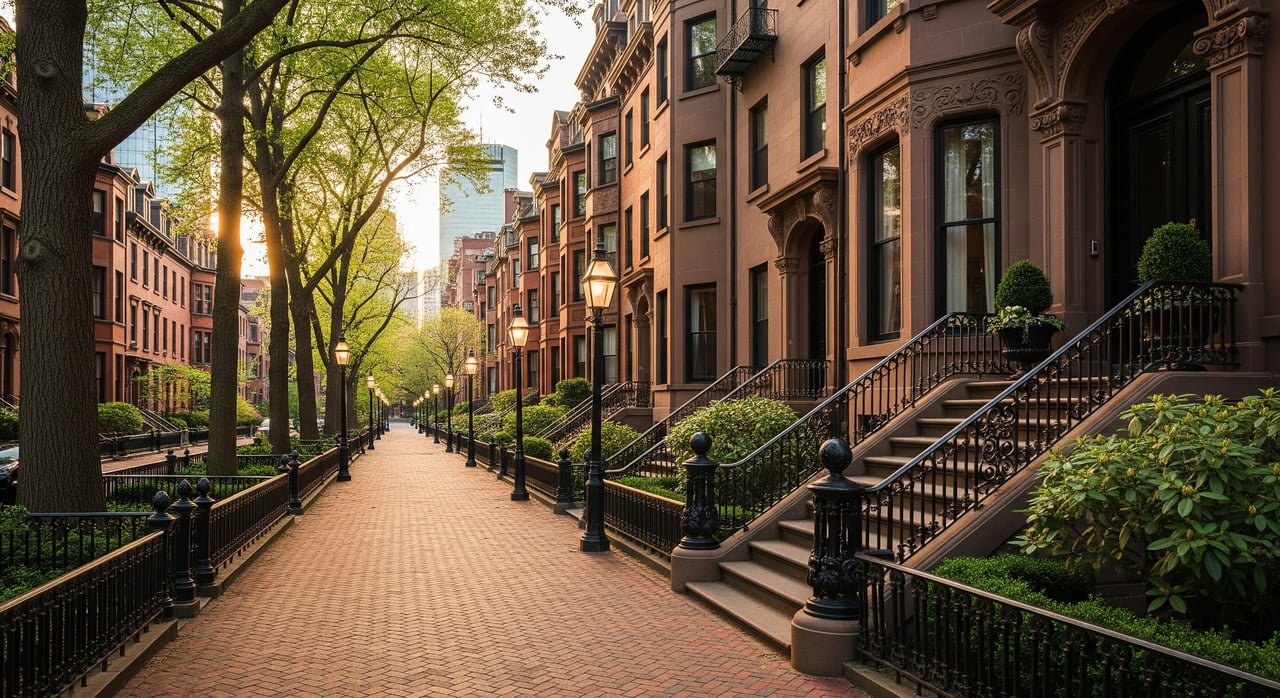
Commonwealth Avenue is the signature street of Back Bay, planned in the 19th century with a central linear park called the Commonwealth Avenue Mall. Rows of Victorian brownstones frame the Mall on both sides, creating a cohesive streetscape with a calm, urban park feel.
The avenue’s design blends residential blocks, a planted median, and broad carriageways envisioned for elegant city living. Influences from landscape architect Frederick Law Olmsted helped shape the Mall’s path network and tree canopy, which you still enjoy today.
Much of the corridor falls within the Back Bay Historic District. That status preserves the uniform facades and details that make the street so distinctive. It also means exterior changes often require design review, so you should expect a preservation mindset and clear guidelines for any future work.
Life on the Mall
The Mall is your front yard if you live along this stretch. It is a narrow green ribbon with benches, statues, and paved paths that invites a slow stroll or a quick morning run. Early hours bring joggers and parents with strollers. Midday tends to be quieter, perfect for reading in the sun. Evenings and weekends feel social, especially in warmer months.
Seasonal rhythms shape your routine. Spring blooms and fall foliage are a major draw. In summer, you will see more picnics and meetups. Winter brings snow and cold that tighten up walking space, but the sidewalks and paths are maintained so daily life keeps moving.
Parks and the river
One of the great perks of Commonwealth Avenue is the short walk to the Charles River Esplanade. It offers long, continuous paths for running and biking, water views, and seasonal programming along the river. This access adds variety to your workouts and weekend plans without leaving the neighborhood.
Closer to home, Copley Square functions as a civic plaza and gathering point, and the Commonwealth Avenue Mall itself gives you everyday green space right outside your door. With the Emerald Necklace and riverfront nearby, you can live in the center of Boston yet have true outdoor options minutes away.
Walkability and transit
Back Bay is one of Boston’s most walkable areas. On a typical day, you can handle groceries, coffee, fitness, and errands on foot. Newbury Street and Boylston Street sit one block over, where you will find a mix of cafés, boutiques, and dining.
Transit is straightforward. Multiple Green Line stops serve the corridor, and Back Bay Station offers commuter rail, intercity trains, and connections across the MBTA network. Bike-share stations are common, and the Esplanade paths make cross-town rides efficient. Many residents commute by train or bike because it is often faster than driving.
Parking is the known tradeoff. Street parking is limited and usually permit controlled or metered. Some buildings include or offer access to garage spaces, but many residents either pay for private parking or choose to live car-light.
Dining, shopping, and culture
You have two distinct commercial corridors one block away. Newbury Street offers boutique retail, independent shops, and sidewalk cafés that set an easy weekend pace. Boylston Street and Copley Square add larger anchors, indoor shopping options, and varied restaurants.
Cultural life is close. The Boston Public Library at Copley Square is both an architectural gem and a community resource with reading rooms and exhibits. Symphony Hall and the Theatre District are within easy reach for concerts and performances. Major museums and nearby universities are a short ride away, which keeps the calendar full year-round.
The food scene supports everyday routines and special nights out. You can grab a pastry and espresso after a morning run, meet friends for a casual lunch, or plan a fine dining evening steps from home. The variety lets you keep your car parked and your plans simple.
Homes and buildings
Housing along Commonwealth Avenue spans several types:
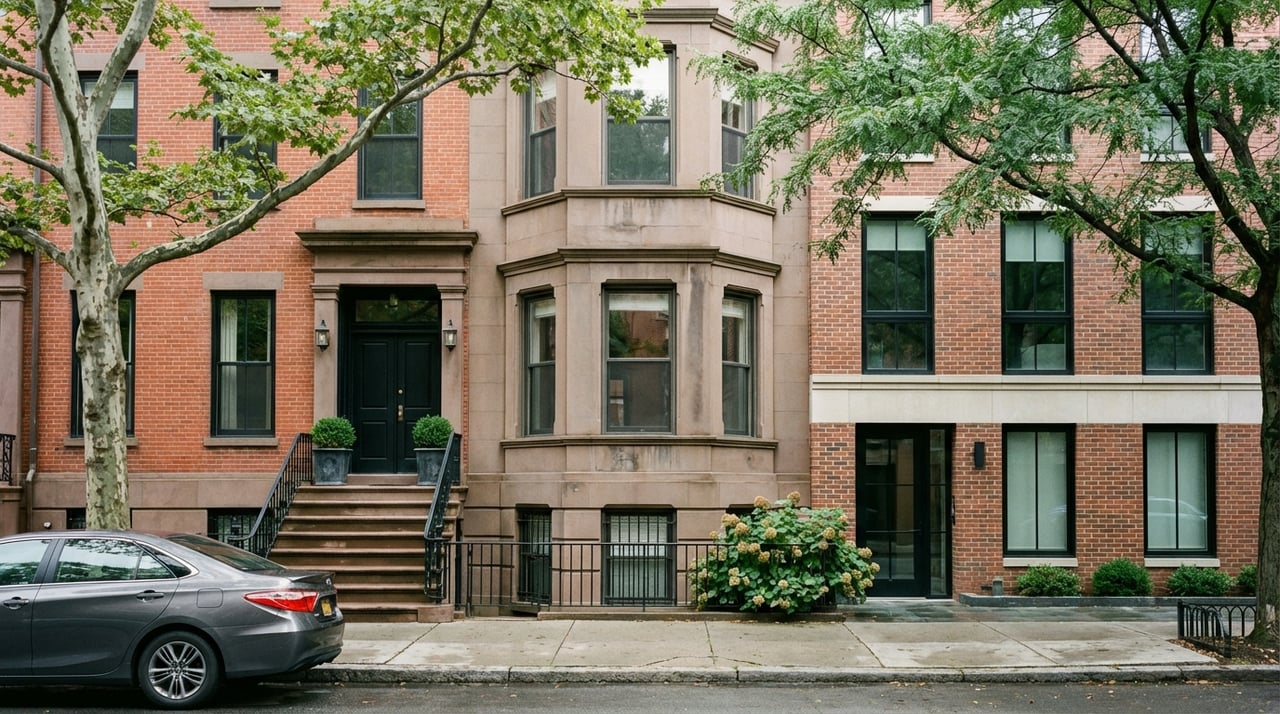
- Historic brownstones and townhouses. Many are multi-story Victorian or Renaissance Revival rowhouses converted into condominiums or kept as single-family homes. Expect high ceilings, detailed facades, and narrow footprints that feel classic and refined.
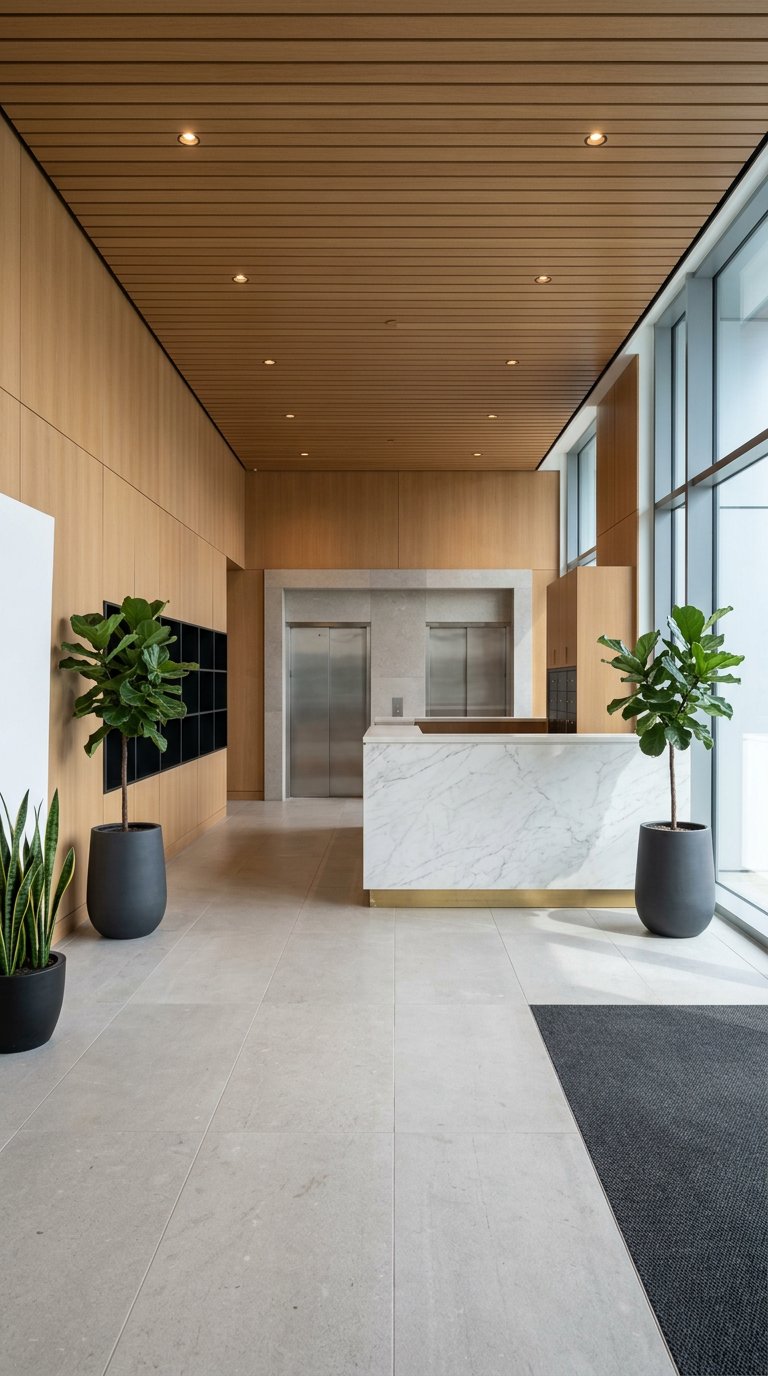
- Mid- and high-rise condominiums. Closer to Copley and the Prudential area, you will find elevator buildings with modern systems, doorman services, and higher condo fees that support amenities and maintenance.
- Duplexes, carriage houses, and converted spaces. On side streets and rear lots, these options can offer more privacy and a house-like feel while keeping you in the center of the neighborhood.
Back Bay is one of Boston’s most expensive markets. Buyers often pay a premium for location, architecture, and access to the Mall and river. When comparing properties, factor in more than the purchase price. Older buildings can carry higher insurance costs, utilities, and assessments for capital projects. Condominiums and co-ops include monthly fees that support building services, reserves, and any shared amenities.
Renovation and ownership
Historic-district rules protect the look and scale of the street. Exterior changes, such as altering facades, adding rooftop elements, or replacing windows, often require review and approval. This preserves long-term value and character, but it also means you should plan ahead for permits and timelines.
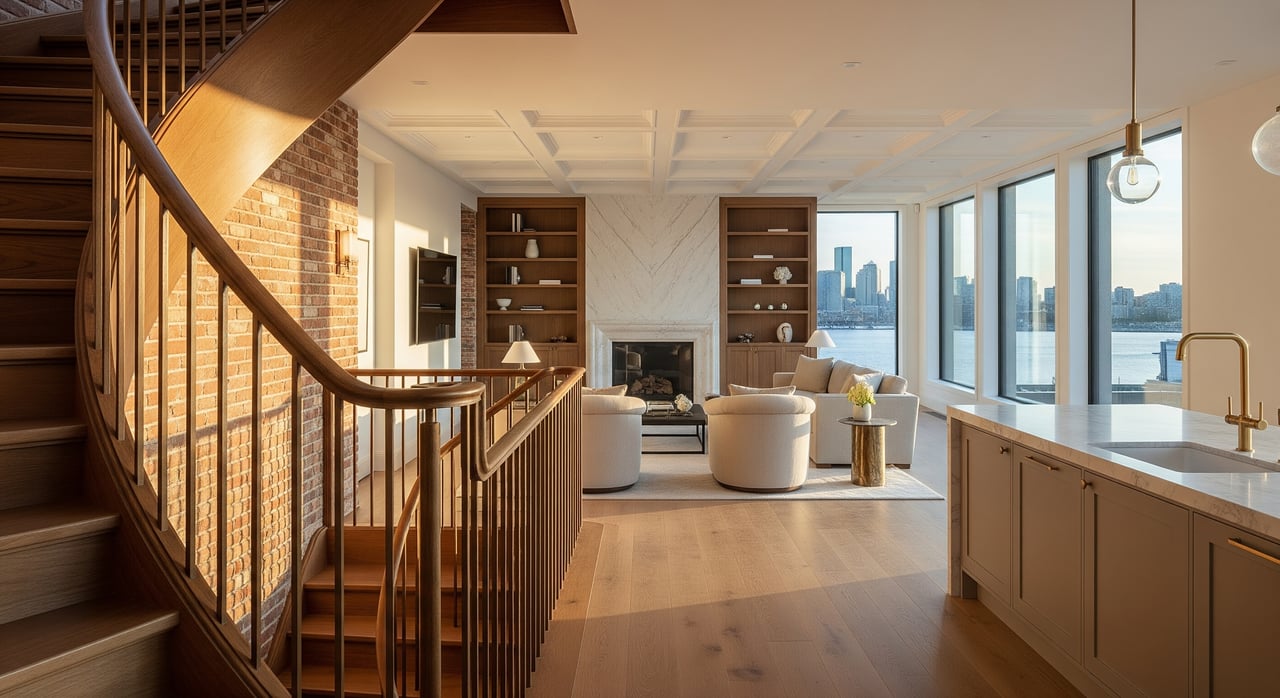
Many historic interiors have been modernized, though you will still find properties where plumbing, electric, or HVAC systems need upgrades. If you prefer move-in ready, focus on recently renovated units. If you enjoy projects, set a realistic budget for updates and approvals.
Ownership structures vary. Condominiums are common, and co-op ownership exists in some buildings. Co-ops can have different purchase, financing, and resale rules from condos, so review governance documents and policies before you submit an offer.
Who it suits
Commonwealth Avenue appeals to people who value classic architecture, the ease of a walkable lifestyle, and a prestigious address with a strong sense of place. You may be a professional who wants a quick commute without a car, a downsizer seeking low-maintenance living near culture, or an investor who understands the demand for historic detail and central access.
The neighborhood includes long-term residents and newer arrivals, owners and renters, and a range of household types. What ties them together is an appreciation for the daily rhythm of the Mall and the convenience of Back Bay’s amenities.
Pros and tradeoffs
Here is a clear view of the everyday benefits and the realities to plan for:
Lifestyle advantages
- Iconic streetscape with a tree-lined Mall and cohesive architecture.
- High walkability to cafés, dining, shopping, and cultural venues.
- Easy access to the Esplanade and other green spaces for fitness and leisure.
Considerations
- Higher purchase prices and monthly fees for many buildings.
- Limited street parking and frequent reliance on permits or paid garages.
- Seasonal crowds near Newbury, Boylston, and Copley that add noise and foot traffic.
- Historic-district rules that shape exterior changes and some additions.
A day in the life
Start with a jog down the Mall or a bike ride along the river, then stop for coffee before walking home. You can run errands on Newbury Street, then head to the library’s reading room for a quiet hour. In the evening, meet friends for dinner nearby or catch a concert within a short ride. Your front door stays central to every plan.
On weekends, the Mall becomes your meeting place. It is easy to host out-of-town guests for a stroll, then explore nearby shops. When the weather turns cold, the neighborhood still functions smoothly, with plowed paths and plenty of indoor cultural options to keep your plans full.
Buying or renting smart
Use these quick checks to align a property with your lifestyle:
- Building type. Decide if you prefer a brownstone’s character or a full-service condo’s amenities.
- Fees and reserves. Review condo or co-op budgets, reserves, and any planned assessments.
- Parking plan. Confirm whether you need a dedicated space, a nearby garage, or a car-light setup.
- Storage and bikes. Ask about in-building bike storage and unit storage, especially in historic buildings.
- Light and exposure. Consider noise and sun based on floor level, window orientation, and proximity to busy corners.
- Renovation rules. Understand historic-district approvals for any future exterior work and plan timelines accordingly.
Work with a local advisor
Success on Commonwealth Avenue comes from local knowledge, thoughtful preparation, and a clear plan for presentation and negotiation. With deep experience in Back Bay’s historic district and premium condominiums, a seasoned advisor can help you weigh tradeoffs, anticipate approvals, and position your offer or listing to win.
If you are considering a move on Commonwealth Avenue, let’s talk through your goals, the best-fit building types, and the steps to get you there. Connect with Roberta Orlandino to start a tailored plan that fits your timeline and lifestyle.
FAQs
What is the Commonwealth Avenue Mall and how does it shape daily life?
- It is a tree-lined linear park down the center of Commonwealth Avenue with paths, benches, and public art, creating a calm, walkable spine used for runs, dog walks, and everyday meetups.
How accessible are transit and the Esplanade from Commonwealth Avenue?
- Multiple Green Line stops and Back Bay Station are close by for MBTA and commuter rail, and the Charles River Esplanade is a short walk for biking, running, and waterfront views.
What should I know about renovating a Commonwealth Avenue brownstone?
- Exterior changes often require historic-district review, while interior upgrades are common; plan for permits, timelines, and potential updates to systems like HVAC and electrical.
What are typical housing options along Commonwealth Avenue?
- You will find historic brownstones converted to condos, single-family townhouses, mid- and high-rise condos near Copley, and some duplexes or carriage house conversions on side streets.
What are the biggest tradeoffs of living on Commonwealth Avenue?
- High purchase prices and monthly fees, limited street parking, seasonal crowds near commercial corridors, and preservation rules that limit some exterior changes.