Trying to choose between a South End condo and a Back Bay condo? You are not alone. Both neighborhoods deliver classic Boston architecture, vibrant streets, and strong long‑term demand, but they feel different and your money buys different things in each. In this guide, you will see how prices, space, buildings, HOA culture, transit, parking, and lifestyle stack up so you can move forward with confidence. Let’s dive in.
South End vs. Back Bay: the quick take
- Price and space: Back Bay typically has the higher price per square foot, while the South End often gives you more interior space or newer mixed‑use product at the same budget. The latest citywide breakdown reported by Boston.com shows Back Bay around $1,536 per square foot and the South End around $1,132 per square foot for the recent year‑over‑year period they reviewed. See the comparison in the market update reported by Boston.com for context on these $/sq ft ranges (Q4 2023 to 2024 period). That report highlights the gap.
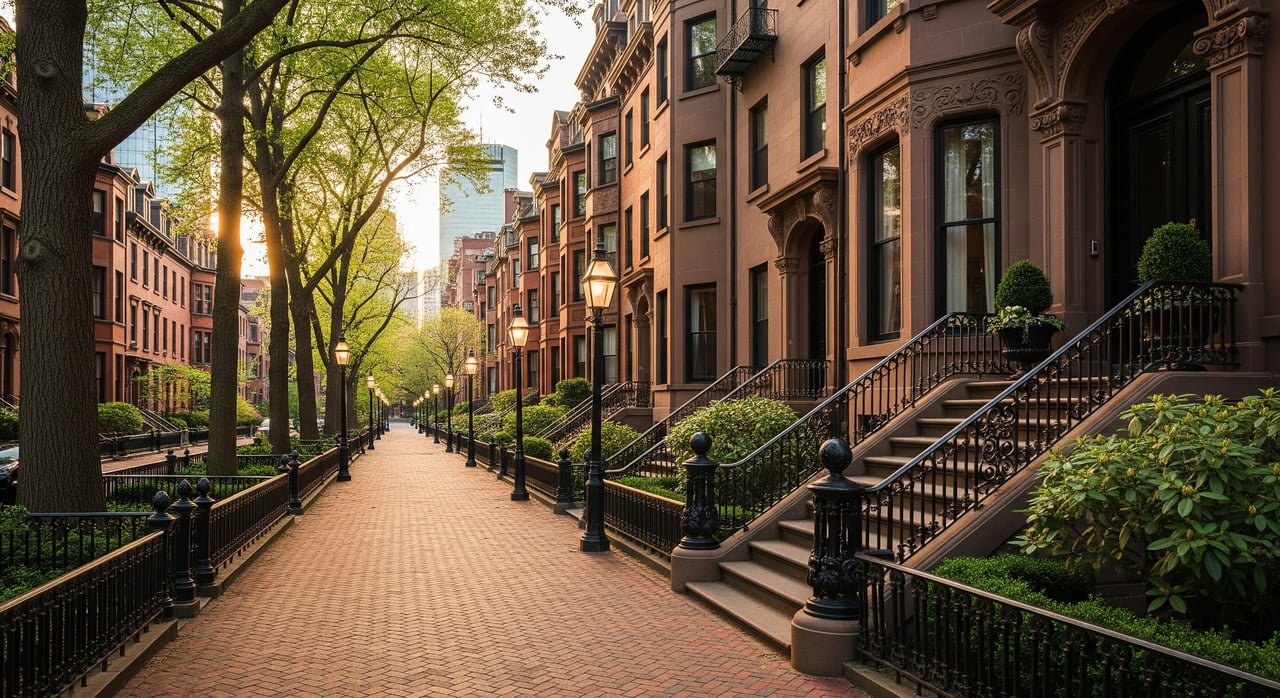
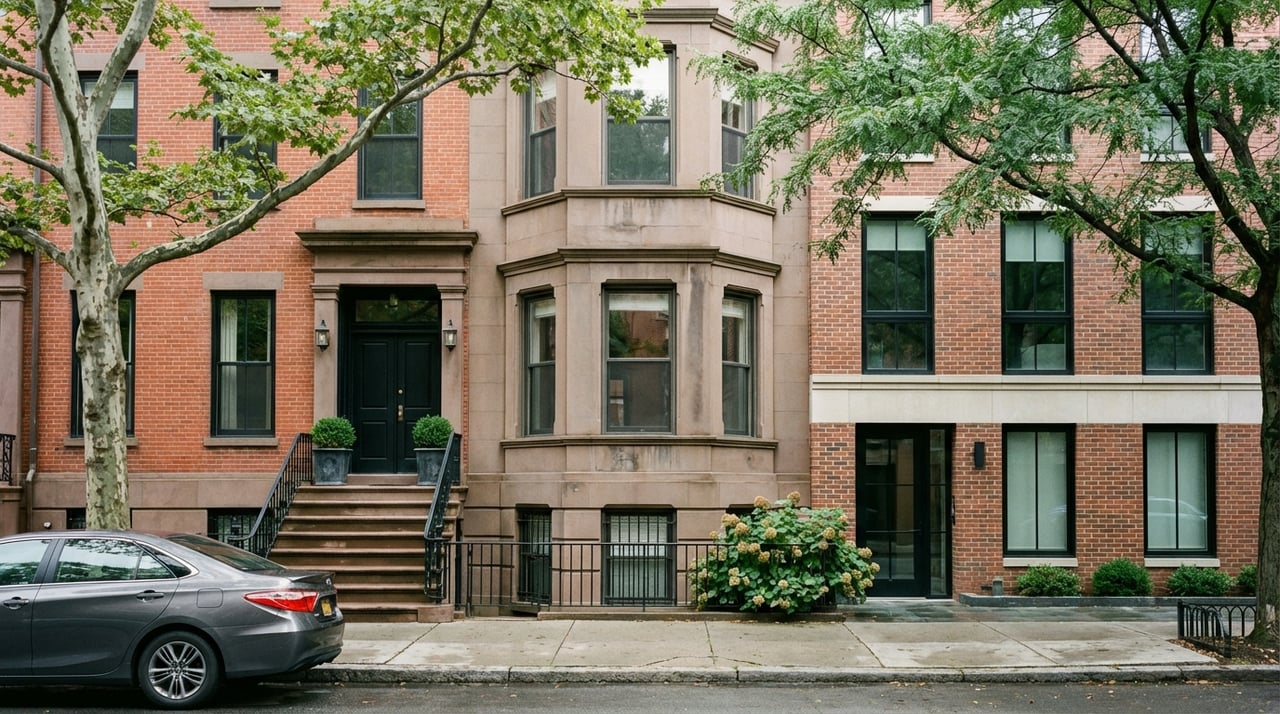
- Built environment: The South End is the nation’s largest intact Victorian rowhouse district, with a strong arts and restaurant scene and notable mixed‑use redevelopment like Ink Block. You can review the South End’s planning profile in the city’s overview of the neighborhood at a glance. Back Bay offers a uniform 19th‑century streetscape with classic brownstones and a mix of luxury towers along the High Spine, anchored by Newbury Street and Copley retail. The city’s Back Bay profile outlines the fabric and regulatory setting here.
- Transit and commute: Both neighborhoods are excellent for transit. Back Bay has a regional edge because Back Bay Station connects the Orange Line, MBTA Commuter Rail, and Amtrak. You can confirm that intermodal access in the Back Bay Station overview. The South End is highly walkable with nearby Orange and Green Line access points such as Tufts Medical Center, Chinatown, and Ruggles.
- Ownership culture and fees: South End buildings often include small, self‑managed brownstone associations and loft conversions, which can mean more variation in reserves and processes. Back Bay includes many full‑service, professionally managed buildings with staffing and amenities, which often leads to higher monthly fees but a more turnkey experience. The city’s neighborhood profiles describe these common building types for the South End and Back Bay.
What your budget buys right now
Market numbers move month to month. As of late 2025 and early 2026, Redfin’s neighborhood snapshots put the South End median sale price around $1.35 million, and the Back Bay median around $1.20 to $1.30 million, depending on subarea. For live context on days on market and the current median, check the South End neighborhood market page before you tour.
Under $900,000
- South End: You are likely looking at a smaller one‑bedroom or a compact two‑bedroom in a brownstone association, and occasionally a loft conversion. Interiors may be efficient but you often get character, high ceilings, and walkable blocks.
- Back Bay: Expect studios or smaller one‑bedrooms in this price band, or units that need updates. Larger footprints are rare at this level because of Back Bay’s higher $/sq ft and amenity premiums.
$1.0 million to $1.8 million
- South End: This range commonly unlocks a comfortable two‑bedroom with more interior square footage, sometimes with newer finishes in mixed‑use developments or combined brownstone units. The $/sq ft gap versus Back Bay often stretches your livable space.
- Back Bay: You will compete for premium one‑bedroom and two‑bedroom brownstone condos or smaller units in luxury towers. The finishes and addresses can be exceptional, but the footprint is typically tighter at the same budget.
$2 million and up
- South End: You will see penthouses, duplexes and newer luxury phases tied to major projects. The Ink Block area is a good reference point for recent mixed‑use development in the South End’s SoWa district. You can explore the project scale in the Ink Block development profile.
- Back Bay: Trophy options include full‑floor flats and grand brownstones on marquee blocks like Commonwealth Avenue, as well as suites in full‑service towers. For equivalent quality or address prestige, Back Bay often prices higher than the South End.
Numbers to remember: as reported by Boston.com, Back Bay averaged about $1,536 per square foot and the South End about $1,132 per square foot in the latest annual comparison they summarized. That spread shows why the South End often delivers more space for your money, even when neighborhood medians overlap.
Buildings, fees, and HOA culture
South End: small associations and variety
Many South End condos sit in 4 to 10 unit brownstone associations or in adaptive‑reuse loft buildings, with a growing set of professionally managed mixed‑use properties. Small associations can feel neighborly and cost‑efficient, yet reserves, documentation, and decision‑making can vary. The city’s South End overview summarizes this stock at a glance.
Back Bay: full‑service and professional management
Back Bay offers a greater share of professionally managed, amenity‑rich buildings. Doormen, concierges, on‑site staff, elevators, and building systems add convenience and often drive higher monthly common charges. Boutique brownstone associations are also common, but the neighborhood has more full‑service options than the South End. You can review typical stock in the city’s Back Bay profile.
What to review before you offer
In Massachusetts, condos follow Chapter 183A. A key closing item is the 6(d) certificate, which confirms a unit has no unpaid common expenses. Lenders require it, and sellers should order it early. You can see the statute in Chapter 183A.
Ask your agent to obtain and review:
- Master deed, declaration of trust, and bylaws
- 6(d) certificate and any resale questionnaire
- Current budget, latest reserve study, and last 12 months of HOA bank statements
- Last 12 months of meeting minutes and any pending or approved special assessments
- Master insurance declarations and certificates
For showings in brownstones, pay special attention to party walls, common stair structures, shared gutters, and roof or deck conditions. In larger buildings, ask about elevator service history and mechanical systems.
Transit, commute, and parking
Back Bay is one of Boston’s best transit hubs. Back Bay Station links the Orange Line, MBTA Commuter Rail, and Amtrak, which is ideal if you need regional rail or intercity service. You can confirm services in the Back Bay Station overview. Copley and Hynes broaden Green Line access in the Back Bay core.
The South End is very walkable and near multiple Orange and Green Line access points, including Tufts Medical Center, Chinatown, and, for some addresses, Ruggles. For many downtown and Cambridge commutes, both neighborhoods work well. If you travel frequently by train, Back Bay’s station can save time.
Parking is limited and expensive in both neighborhoods. Deeded spaces often trade at a premium or are sold separately. Many owners rely on leased garage spaces with monthly costs that add meaningfully to the budget. If parking is a must, confirm whether the unit includes a deeded spot, an assigned rental, or only street parking eligibility.
Lifestyle: day‑to‑day differences
South End feel
The South End offers classic brick rowhouses, small parks, and a creative streak. The SoWa district brings galleries, markets, and adaptive‑reuse lofts, with fresh energy on weekends. Get a sense of that scene by reading about the SoWa Open Market. Mixed‑use development like Ink Block adds modern convenience close to local dining.
Back Bay feel
Back Bay’s uniform brownstones, the Commonwealth Avenue Mall, and Newbury Street boutiques create a polished, center‑of‑the‑city vibe. You will find both boutique brownstone living and high‑rise convenience, with easy access to major retail and cultural venues. The city’s Back Bay outline offers a helpful at‑a‑glance look at the architecture and land use.
Renovations and approvals
Both neighborhoods sit within historic districts that regulate many exterior changes. In the South End Landmark District, buyers planning exterior or rooftop work should budget time for approvals and professional guidance. You can review the district page and permitting context on the South End Landmark District site. Back Bay also maintains a strict architectural review for its façades and rooflines.
South End or Back Bay: which fits you?
- Relocating professional: If you want regional rail, Amtrak, and a luxury shopping corridor in your daily mix, Back Bay is compelling. If you value a neighborhood arts scene and more living space for the budget, the South End often wins.
- Move‑up buyer: The South End frequently delivers more square footage and useful layouts within a mid‑to‑upper budget band. Back Bay is prestigious and highly central, though footprints at the same price tend to be tighter.
- Investor: Both neighborhoods have durable rental demand. Back Bay’s luxury product can achieve higher absolute rents, while the South End’s diverse stock supports steady absorption in many mid‑price tiers. Always verify building rental policies and any short‑term restrictions before you buy.
Smart buyer checklist
- Price check: Note that neighborhood medians update monthly. As of Dec 2025 to Jan 2026, Redfin shows the South End around $1.35M and Back Bay around $1.20 to $1.30M. Confirm current stats on the South End market page before you tour.
- Square‑foot math: Use $/sq ft to estimate how much space your budget buys. Boston.com recently reported Back Bay at about $1,536 per square foot and South End at about $1,132 per square foot, underscoring the space trade‑off. See their market update.
- Condo documents to request: Master deed, declaration of trust/bylaws, 6(d) certificate, current budget, reserve study, last 12 months of bank statements and meeting minutes, insurance declarations, and any special assessment details. Massachusetts Chapter 183A governs condo associations and the 6(d) process. Review the statute here.
- Inspection focus: In brownstones, review party walls, common stairs, gutters, roof, and any roof decks. In towers, ask about elevator reliability, HVAC and boiler systems, and recent capital projects.
- Commute test: Walk to the nearest subway entrance and, if relevant, to Back Bay Station. Do a weekday rush‑hour run to your office to confirm timing. Station details are summarized in the Back Bay Station overview.
- HOA culture: Ask whether the association is self‑managed or professionally managed, how reserves are funded, what the pet and leasing rules are, and whether any special assessments are planned or pending.
Ready to compare on the ground?
If you want a clear look at how far your budget goes on your target blocks, you will benefit from a local, senior advisor who knows the buildings, trustees, and approval processes. For a tailored shortlist, live pricing context, and a plan that fits your timeline, connect with Roberta Orlandino.
FAQs
What are the main price differences between South End and Back Bay condos?
- Back Bay usually has a higher price per square foot, while the South End often delivers more space for the same budget; recent reporting put Back Bay near $1,536 per sq ft and South End near $1,132 per sq ft, with neighborhood medians around $1.20 to $1.35 million as of late 2025 to early 2026.
How do HOA fees compare in South End vs Back Bay buildings?
- Back Bay has more full‑service, professionally managed buildings with staff and amenities, which often means higher monthly fees; South End has many small associations where fees and reserves vary by building.
Is parking typically included with condos in South End or Back Bay?
- Not often; deeded spaces are scarce and can trade separately, and many owners lease garage parking for a monthly fee, so verify exactly what is included with the unit.
How does transit access differ between South End and Back Bay?
- Both are strong for subway access, but Back Bay Station adds MBTA Commuter Rail and Amtrak service, which gives Back Bay an edge for regional rail connections.
What condo documents should I review before buying in Boston?
- Ask for the master deed, declaration of trust/bylaws, budget, reserves, bank statements, meeting minutes, insurance, assessment details, and the 6(d) certificate required by Massachusetts Chapter 183A.
Are exterior renovations limited in South End or Back Bay?
- Yes; both neighborhoods are within historic districts and many exterior changes require commission review and approvals, so plan timing and scope accordingly.