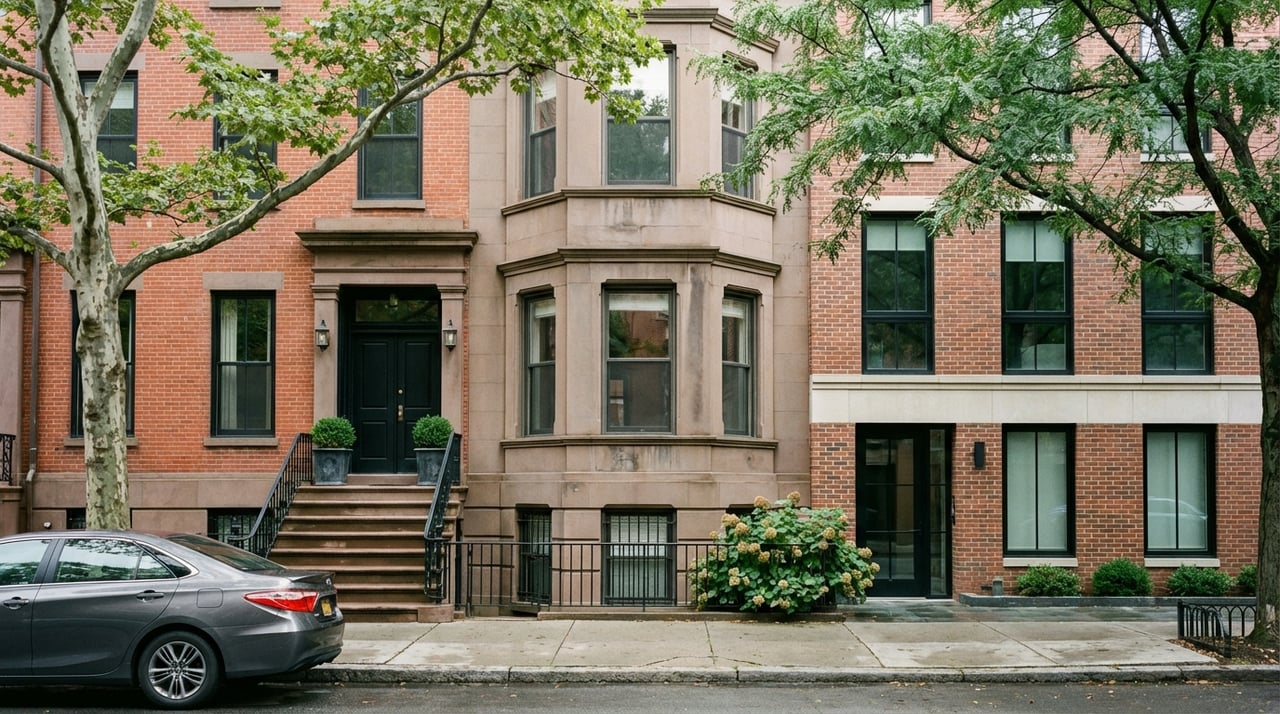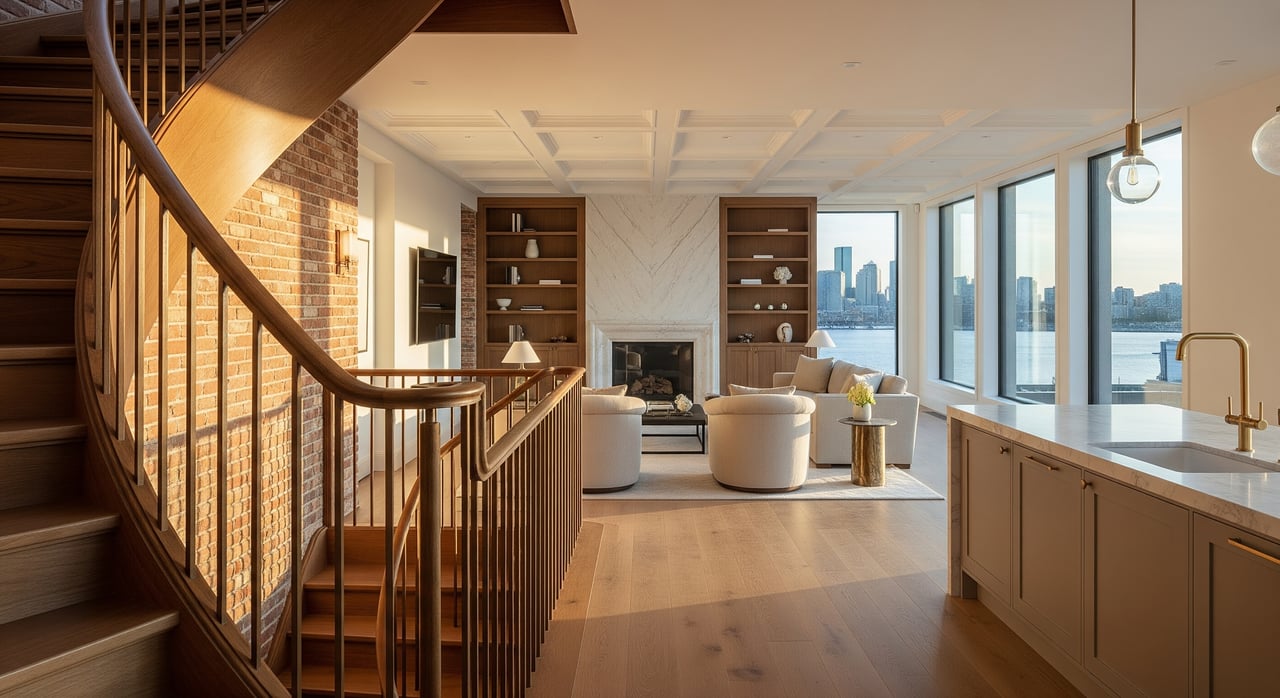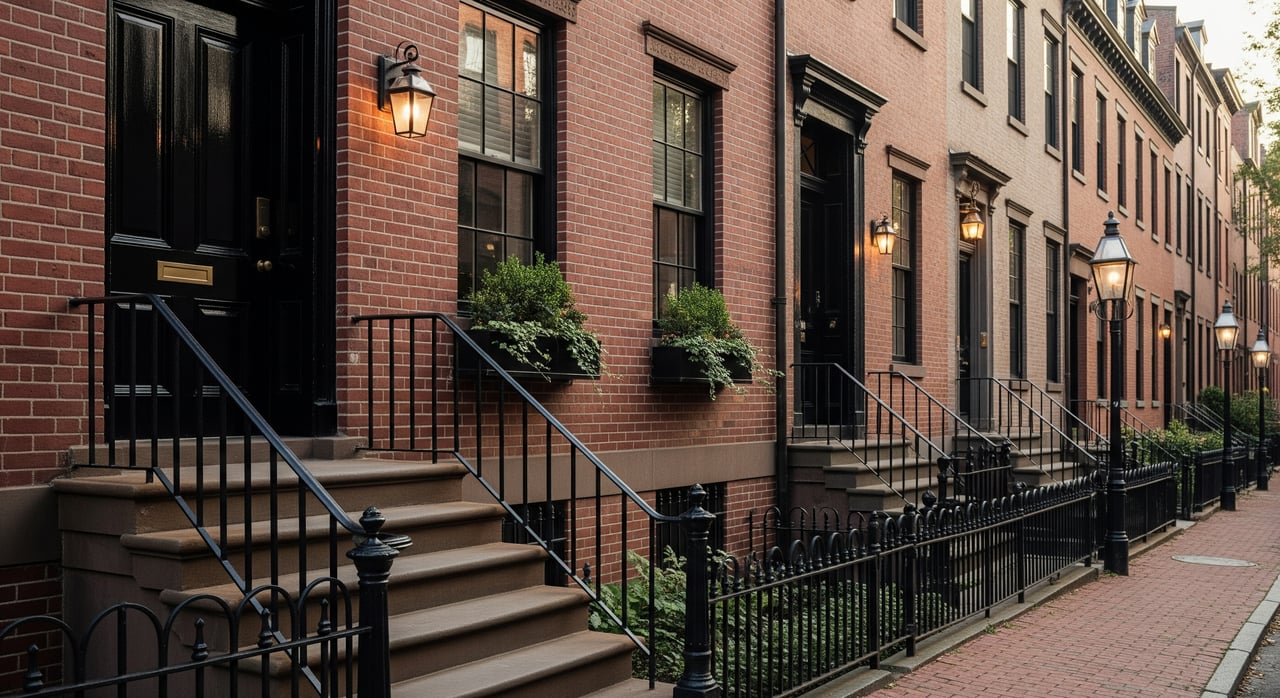
Buying in Beacon Hill means living among storied brick rowhouses and gaslit streets. It also means joining a condo association that sets the rules, maintains the building, and manages shared costs. If you understand how that association works before you buy, you can avoid surprises and feel confident about your investment. This guide breaks down bylaws, trustees, reserves, assessments, and Boston’s historic requirements so you know exactly what to review and what to ask. Let’s dive in.
Condo basics in Massachusetts
In Massachusetts, condominiums follow state law and the association’s recorded documents. The state framework is set by the Massachusetts Condominium Act, often cited as M.G.L. c. 183A. Your building’s master deed, bylaws, and rules then control day‑to‑day operations.
In Beacon Hill, many buildings have small unit counts in converted 19th‑century homes. That means decisions can feel personal, costs can vary widely year to year, and clear rules matter. You want to see how the building allocates expenses, votes on projects, and plans for long‑term repairs.
Core documents to review
Before you buy, ask for the association’s resale certificate or project information packet and these key documents:
- Master deed and recorded plans that define units, common elements, and each unit’s percentage interest.
- Bylaws and current rules, which detail elections, meetings, voting, budgets, and house policies like pets or storage.
- The most recent budget, year‑to‑date financials, and any reserve study or funding schedule.
- Board meeting minutes from the last 12 to 24 months, plus any special assessment notices.
- Master insurance certificate and policy summary, including deductibles and coverage scope.
- Any management agreement, plus contact info for the manager or trustees.
- Litigation disclosures and documentation of recent capital projects.
These materials show how the building operates, pays for work, and manages risk.
Trustees, meetings, and votes
Most Beacon Hill associations are governed by a board of trustees or managers. The bylaws set the number of trustees, how they are elected, and their powers. Common responsibilities include adopting the budget, levying assessments, enforcing rules, contracting for maintenance, and maintaining insurance.
Major decisions can require higher voting thresholds. Amending the master deed, approving large special assessments, or changing structural elements will often need a supermajority, as defined in the documents. Proxies are commonly used if owners cannot attend meetings in person.
Trustees owe fiduciary duties to the association. Good practice includes clear minutes, transparent financials, and conflict‑of‑interest policies. Many associations carry directors and officers insurance for added protection.
Money: budget, assessments, and reserves
The operating budget covers routine costs like cleaning, utilities for common areas, management fees, insurance, and minor repairs. Your share is typically based on your unit’s percentage interest in the master deed.
For big ticket items, associations rely on reserves, which are savings for capital projects such as roofs, masonry, boilers, windows, and elevators. Industry guidance from the Community Associations Institute recommends maintaining a professional reserve study and funding plan so costs are predictable over time. Learn more in CAI’s overview of reserve studies and funding best practices.
When reserves are not sufficient, associations levy special assessments. Review the building’s history of assessments to see whether big projects are planned or deferred. Also look at delinquency rates. A high rate of unpaid common charges can strain the budget and may affect lending eligibility for buyers in the building.
Insurance: master policy and your coverage
Associations carry a master policy that insures the building’s common elements and, depending on the policy type, some portions of unit interiors. Policies are typically either “bare‑walls,” which leaves interior finishes to the unit owner, or “walls‑in,” which can include finishes. Confirm the policy type, deductibles, and exclusions so you know what you must cover with your own HO‑6 policy.
Ask whether the association carries fidelity coverage and D&O insurance. For older buildings, verify any flood or water‑intrusion coverage and note the deductible. High deductibles can shift more cost to owners if there is a loss.
Beacon Hill’s historic factors
Much of Beacon Hill sits within a local historic district overseen by the Beacon Hill Architectural Commission. Exterior work on façades, windows, doors, roofs, and some site features often requires review and a Certificate of Appropriateness. You can find process details on the City’s Beacon Hill Architectural Commission page.
Historic approvals can affect timelines, materials, and costs. Common projects here include brick repointing, lintel and cornice repairs, slate roof and gutter work, historic window restoration or approved replacement, chimney repairs, and modernizing older mechanical systems. Small associations must plan carefully for these expenses, since access can be tight and methods may be specialized.
Ask who coordinates historic approvals, how costs are allocated, and whether any exterior projects are scheduled in the next one to five years.
Rentals and short‑term rentals in Boston
Boston regulates short‑term rentals and requires registration for eligible units. Associations can add stricter rules in their bylaws. If you expect to rent, review building restrictions and the city’s requirements on short‑term rentals and registration. Also confirm any minimum lease terms or caps on the number of rented units.
Flood and climate risk
Some parts of Boston face coastal or stormwater flooding risk, which can impact basements or lower‑level units. Check your building’s location on the FEMA Flood Map Service Center and review city planning resources like Climate Ready Boston for context on local resilience planning. Ask whether the association has taken any mitigation measures and how those costs are handled.
Due‑diligence checklist before you buy
Use this quick list as you review a Beacon Hill condo association:
- Request the resale certificate and association packet. Review the budget, financials, reserve study and schedule, meeting minutes, insurance summary, and any litigation.
- Confirm master policy scope and deductibles versus your HO‑6 responsibilities.
- Ask about reserve balance, recent or upcoming capital projects, and any special assessments in the past five years.
- Review owner‑occupancy percentages and rental policies, including short‑term rental rules.
- Verify whether the building is in a local historic district and whether planned work will need city approvals.
- Understand shared systems, such as central boilers or combined plumbing stacks, and how costs are allocated.
- Consult a Massachusetts condo attorney during your contingency period and confirm your lender’s project documentation requirements early.
Red flags to watch
- Very low or unfunded reserves, especially with obvious exterior needs.
- Frequent or large special assessments without a long‑term plan.
- High owner delinquency. Above roughly 10 to 15 percent of total assessments unpaid can be a concern, though lender thresholds vary.
- Pending litigation or unresolved code violations.
- Inconsistent or contradictory governing documents.
- Insurance gaps or unusually high deductibles that shift costs to owners.
Financing and lender impacts
Mortgage lenders review the building as well as your personal finances. Many require evidence of adequate reserves or a current reserve study, along with reasonable delinquency levels and sufficient insurance. Fannie Mae’s condo project standards outline these expectations; you can review the program’s guidance on condominium project eligibility.
Government‑backed loans add their own criteria. The Federal Housing Administration maintains a process for condominium project approvals. You can learn more through HUD’s page on FHA condominium approvals. If a project does not meet a program’s requirements, buyers may need to choose a different loan product.
A smart review process
- Build a documents contingency into your offer so you can request and review the association’s materials.
- Read the master deed, bylaws, and rules closely, especially use restrictions and maintenance responsibilities.
- Compare the reserve balance to the reserve study’s recommendations and to the building’s age and visible needs.
- Ask the trustees or manager about upcoming projects within one to five years and how they will be funded.
- Confirm the association’s historic‑approval process for exterior work and who handles applications.
- Share documents with your attorney and lender early so financing stays on track.
Parking, storage, and shared spaces
Street parking is limited in Beacon Hill, and many associations do not include deeded spaces. Storage and bike rooms can be scarce and may be assigned or first‑come by rule. Review how any common areas are allocated, whether there are fees, and what house rules apply to deliveries, trash, and move‑ins, especially in buildings with narrow stairs and historic finishes.
Quick buyer checklist
- Get the resale certificate and review budget, reserves, minutes, insurance, and litigation.
- Confirm master policy coverage versus your HO‑6 policy needs.
- Ask about special assessments and reserve funding history.
- Check owner‑occupancy levels and rental and short‑term rental rules.
- Verify historic‑district status and approval requirements for planned changes.
- Review shared systems and who pays for repairs and replacement.
- Consult a Massachusetts condo attorney and confirm lender project requirements early.
Buying in Beacon Hill should feel as comfortable as it is inspiring. With a clear handle on how the association functions, you can protect your budget, plan renovations wisely, and enjoy the neighborhood’s character with confidence. If you would like a calm, experienced guide to help you evaluate documents, navigate historic approvals, and align your purchase with your goals, connect with Roberta Orlandino.
FAQs
What is a resale certificate for a Beacon Hill condo?
- It is an association‑prepared packet that summarizes financials, assessments, insurance, litigation, and key documents so you can evaluate the building during your contingency period.
How do special assessments work in Boston condo associations?
- When reserves and the operating budget are not enough for a project, owners are charged a special assessment, typically in proportion to their percentage interest and subject to the voting rules in the bylaws.
Can I replace windows in a Beacon Hill historic building?
- Often yes, but exterior changes in the local historic district generally require review and a Certificate of Appropriateness from the Beacon Hill Architectural Commission before work begins.
What insurance do I need beyond the master policy?
- Most owners carry an HO‑6 policy for interior finishes, contents, loss assessments, and liability, tailored to the master policy’s scope and deductible.
Will low reserves affect my mortgage approval?
- Possibly, because lenders and programs like Fannie Mae and FHA review project reserves, delinquencies, insurance, and other factors when deciding if a building is eligible for financing.
Are short‑term rentals allowed in Beacon Hill condos?
- Boston requires registration and limits eligibility, and associations may impose stricter bylaws, so you must check both city rules and the building’s rental policies before planning any short‑term rental.