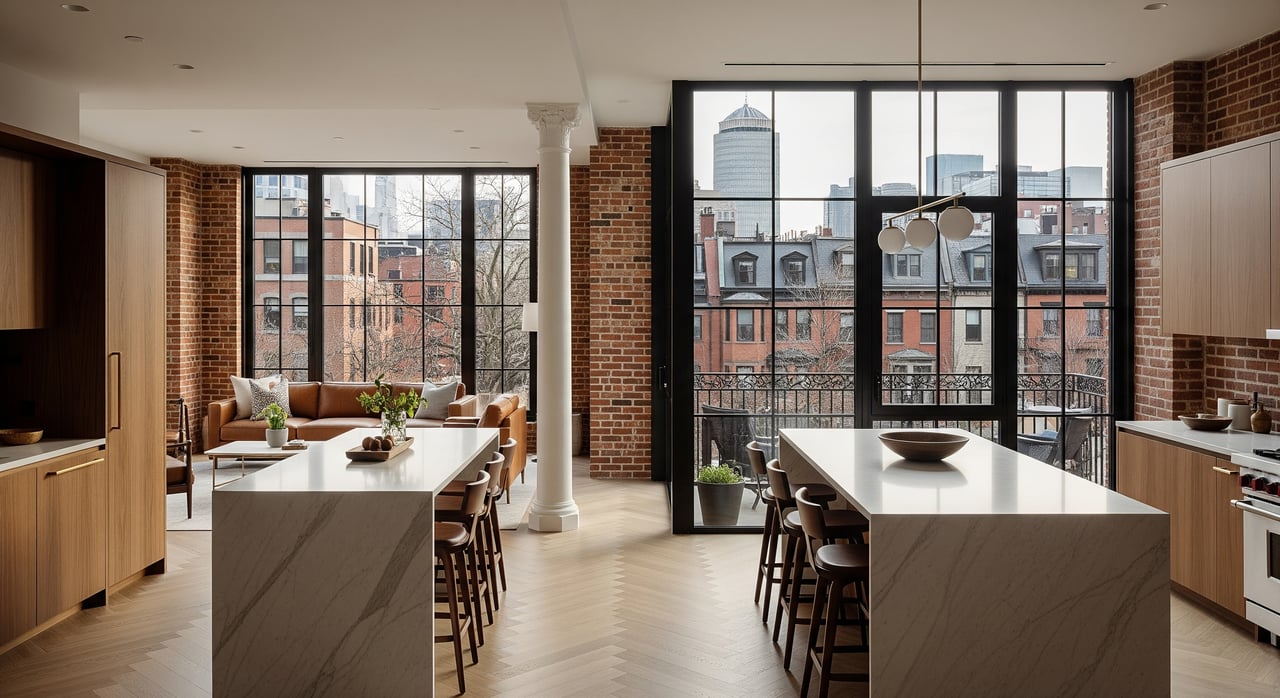
Why do two similar South End condos sell for very different prices? In a neighborhood as layered as Boston’s South End, value hinges on details you can see and many you cannot. If you understand the drivers behind those premiums and discounts, you can read comps with confidence and plan your next move. This guide breaks down what moves prices here and how to apply a simple comp framework to your situation. Let’s dive in.
What sets South End prices
The South End’s appeal is built on a blend of historic architecture, walkability, and access to dining, arts, and employment centers. You are close to Back Bay, the Theater District, and major medical and financial hubs, which helps keep year‑round demand steady. Buyers include professionals, downsizers, and investors who value a lifestyle where errands, restaurants, and culture are a short walk away.
The broader Boston condo market also follows seasonal and cyclical patterns. Inventory, days on market, and negotiation leverage shift with interest rates and employment trends. When you evaluate timing, pair neighborhood insight with current local market data from reputable reports and recent sales.
Building type matters most
In the South End, the building typology often dictates the first set of price expectations. Buyers compare not only square footage and bedroom count, but also the experience a building type delivers.
Brownstone and townhouse condos
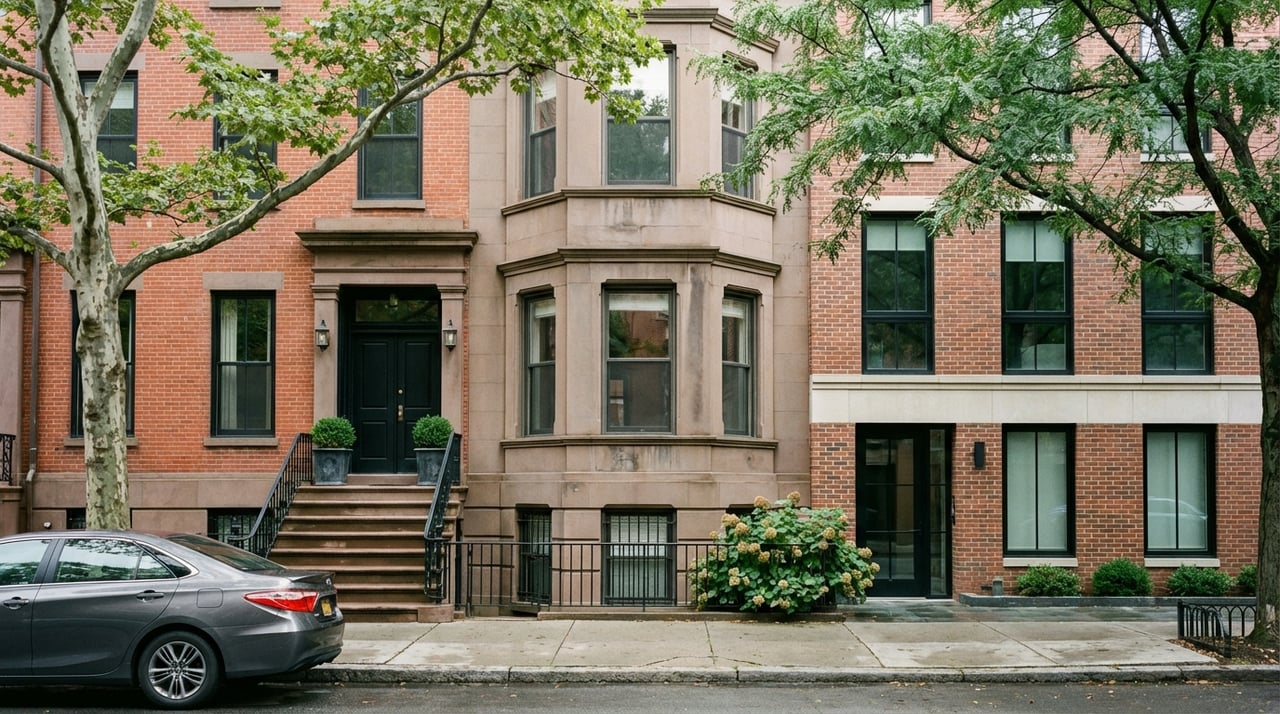
These historic homes offer period details like moldings and fireplaces, often with a private stoop and multi‑level layouts. Many buyers pay a premium for the character and street presence that come with a brownstone entry. Private gardens or patios attached to these units can amplify that premium.
Stairs and the absence of an elevator can deter some buyers, which may temper price on higher floors. Historic‑district oversight can also add cost and time to exterior changes, which factors into buyer calculations.
Loft conversions near creative corridors
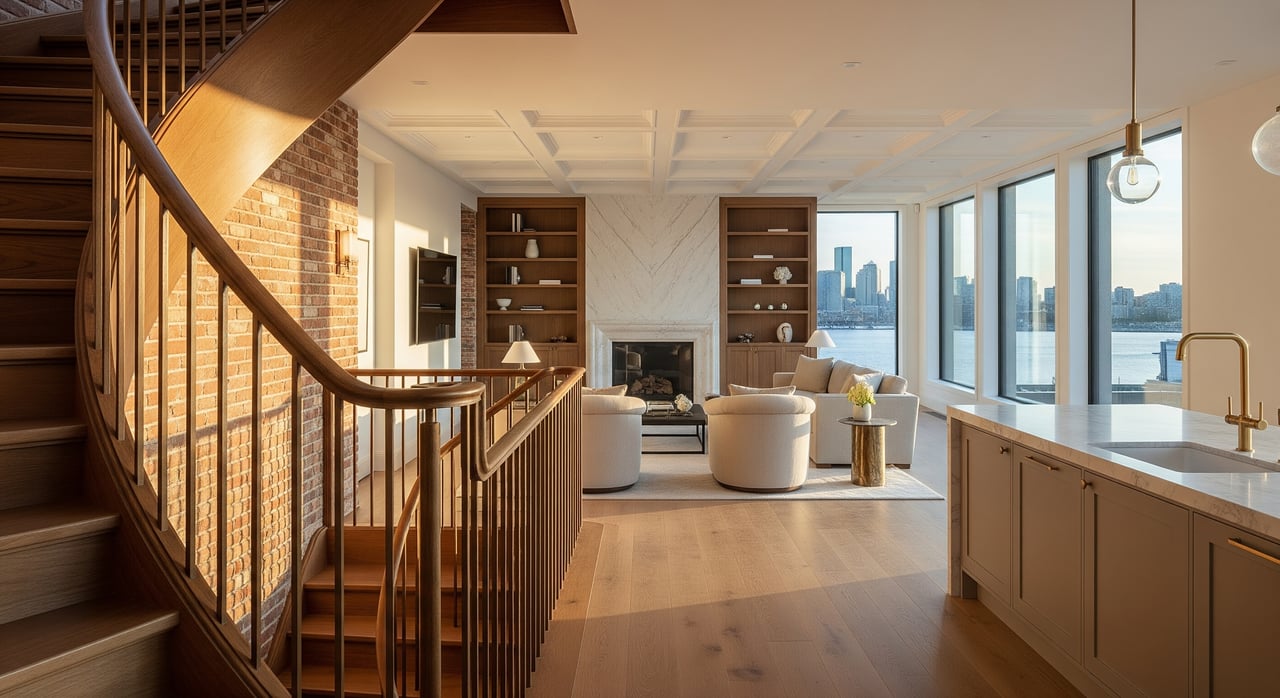
Loft buildings, often clustered near former industrial streets, feature high ceilings, large windows, and open plans. When natural light and finishes are excellent, these spaces can command higher per‑square‑foot pricing than similarly sized historic units. The flexible layout is a draw for buyers who prize volume and openness.
Some lofts have limited bedroom separation, which can narrow the buyer pool to those comfortable with open living. Mechanical systems, insulation, and HVAC performance are important considerations during due diligence.
Newer construction and contemporary buildings
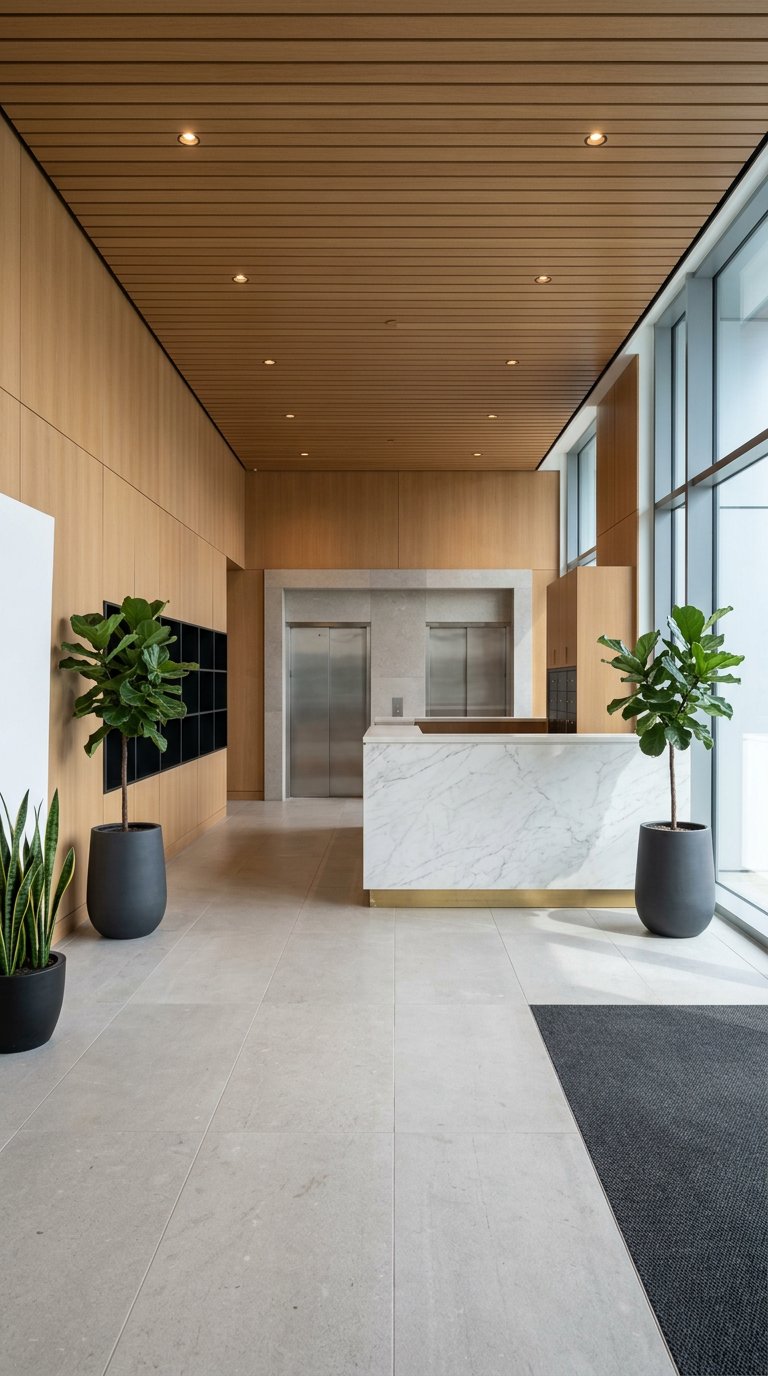
Modern buildings deliver elevators, garages, and amenities such as a concierge, gym, or common roof deck. Predictable systems and potential warranties create a turnkey experience that many buyers value. Higher HOA fees are common but can be justified by the services and amenities provided.
These properties tend to compete on finish quality and amenity packages rather than historic character. If you want convenience and services, this category often leads pricing for comparable square footage.
Garden, penthouse, and single‑floor flats
- Garden units often include a private patio or garden, a strong value driver. Moisture, privacy, and light should be weighed in the inspection and pricing discussion.
- Penthouses can command premiums for height, views, and exclusive roof decks. The added privacy and light are key selling points.
- Floor level matters. Absent elevator constraints, higher floors with better light and views often price above lower levels with similar interiors.
Micro‑location and block factors
Value in the South End is granular. Two units a block apart can trade at different prices due to subtle block characteristics.
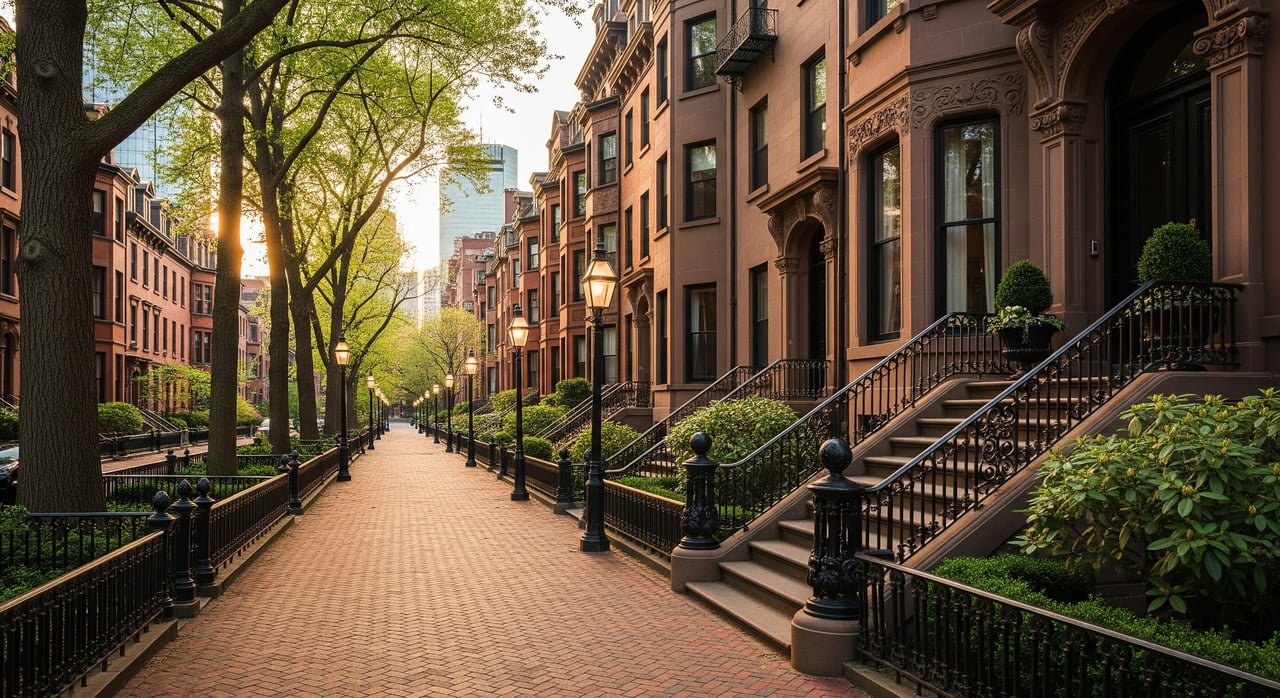
- Proximity to parks and squares raises desirability. Quieter, tree‑lined side streets near green space often price above busy corners.
- Locations immediately on major commercial streets may see discounts for noise and traffic, though some buyers pay a premium for being close to restaurants and retail.
- Areas with a strong arts and market scene support demand for lofts and open plans. Proximity to these amenities can be a lifestyle differentiator.
- Easy access to subway and commuter rail stations, or a short walk to office and medical centers, typically supports higher prices.
- Units near major intersections or infrastructure can see lower per‑square‑foot pricing due to noise or activity levels.
Practical tip: walk the block at different times of day. Observe traffic, delivery patterns, late‑night activity, and maintenance routines that do not show up in listing photos.
Features that move value
Certain features in the South End consistently produce material upward or downward adjustments in comps.
Big‑ticket premiums
- Deeded or assigned parking. Off‑street or garage parking is scarce and commands a notable premium because street parking is limited and regulated.
- Private outdoor space. Patios, balconies, terraces, or exclusive‑use roof decks widen the buyer pool and often support higher per‑square‑foot pricing.
- Ceiling height and natural light. Loft‑style volume and large windows create dramatic spaces that buyers pay for.
- Floor and exposure. Higher floors with better light, views, and southern or western exposure typically trade higher, especially in elevator buildings.
- Renovation quality. Updated kitchens and baths, modern systems, and professional finishes reduce buyer risk and support stronger prices.
- In‑unit laundry and storage. A must‑have for many buyers. Lack of either usually requires a downward adjustment.
- Amenities and services. Concierge, security, fitness rooms, bike storage, and common roof decks can justify higher HOAs and support higher prices, depending on the buyer profile.
Medium‑impact considerations
- Pet policies. Pet‑friendly rules broaden the buyer pool, while restrictive policies can narrow it.
- Elevator vs. walk‑up. Elevators are valued for convenience and accessibility, especially for upper floors.
- HOA financial health. Well‑funded reserves and transparent financials reduce perceived risk. Underfunded reserves or frequent special assessments weigh on value.
Rules and historic oversight
The South End includes landmark districts. Exterior changes, including windows or façade work, may require review and approval. The added time and cost influence renovations and, by extension, willingness to pay. Condo documents can include rental caps or investor restrictions that affect marketability and should be reviewed closely.
How to read comps in the South End
You can approach valuation with a simple framework that respects how hyperlocal the South End is.
A simple comp framework
- Start with the subject building. Prioritize sales from the same building within the last 3 to 6 months.
- Expand to the immediate block. Look 1 to 2 blocks for the same typology and similar floor level, size, and exposure.
- Broaden to similar buildings. Compare within the same building type if same‑building comps are scarce.
- Adjust each comp for the following:
- Size, bed and bath count
- Floor level and elevator access
- Outdoor space type and size
- Parking type and certainty of deed or assignment
- Ceiling height and natural light
- Renovation quality and systems condition
- HOA fee level and included services
- Date of sale and current market direction
- Use price per square foot as a cross‑check only. Adjust heavily for the items above.
Smart adjustments buyers and sellers use
- Treat parking and outdoor space as discrete line‑item premiums, not small percentage tweaks.
- Account for historic character and private entry where they match buyer preference and street appeal.
- Give weight to amenities and reserves that reduce ownership hassle, such as on‑site management or a healthy reserve fund.
Pitfalls to avoid
- Mixing building types without strong adjustments, such as comparing a parlor‑level brownstone to a high‑ceiling loft on light alone.
- Overreliance on price per square foot without factoring floor, exposure, outdoor space, or parking.
- Ignoring HOA reserves, special assessments, or building restrictions that influence both financing and resale.
- Skipping a block walk at different times to evaluate noise and activity.
Next steps for buyers and sellers
If you are buying
- Review condo documents carefully, including reserves, special assessments, rental and pet rules, and any pending litigation.
- Order a thorough home inspection. For historic buildings, consider specialists for systems, structure, and potential lead paint.
- Verify parking and storage. Confirm deeded details in records or clarify waitlists and street permit rules.
- Walk the block during day, evening, and weekend to understand the lived experience.
- Work with a local advisor experienced in South End comps and landmark considerations.
If you are selling
- Arrange a pre‑listing inspection and address common issues. Clean reports reduce buyer leverage.
- Build comps that prioritize same‑building or immediate‑block sales. Highlight your unit’s differentiators such as parking, roof decks, private gardens, ceiling height, and renovation quality.
- Prepare HOA documentation. Organized minutes and reserve statements reassure buyers and their lenders.
- Lean into presentation. Photography and marketing that showcase light, volume, outdoor space, and unique details help support your target price.
Records and due diligence to gather
- Title and easement records for any deeded parking or storage.
- City permits for prior alterations and any historic approvals.
- HOA financials and meeting minutes from the last 12 to 24 months.
- A curated set of recent neighborhood comps with notes on adjustments.
When you understand the interplay of building type, block, and features in the South End, pricing stops feeling mysterious and starts feeling methodical. Whether you are comparing lofts near creative corridors or a parlor‑level brownstone with a garden, the right framework helps you price, bid, or list with confidence.
If you are weighing a purchase or preparing to sell in the South End, you do not have to decode the market alone. For tailored guidance that blends hyperlocal insight with polished marketing, connect with Roberta Orlandino. Let’s talk through your goals and build a plan that suits you.
FAQs
How South End building type affects condo prices
- Brownstones, lofts, and newer condos draw different buyers and price points. Character, ceiling height, amenities, and layout drive the biggest differences.
What South End features add the most value
- Deeded parking, private outdoor space, high ceilings with strong natural light, and quality renovations typically produce the largest premiums.
How far to look for South End condo comps
- Start with the same building, then the immediate block within 1 to 2 blocks for the same typology. Widen only if necessary and adjust more heavily.
What HOA issues can lower a South End condo’s value
- Low reserves, frequent special assessments, high delinquency, litigation, or restrictive rules that narrow the buyer pool are common red flags.
How to compare a South End brownstone to a loft
- Adjust for ceiling height, light, layout, and historic character. Buyer preference determines which commands the premium in a given comparison.