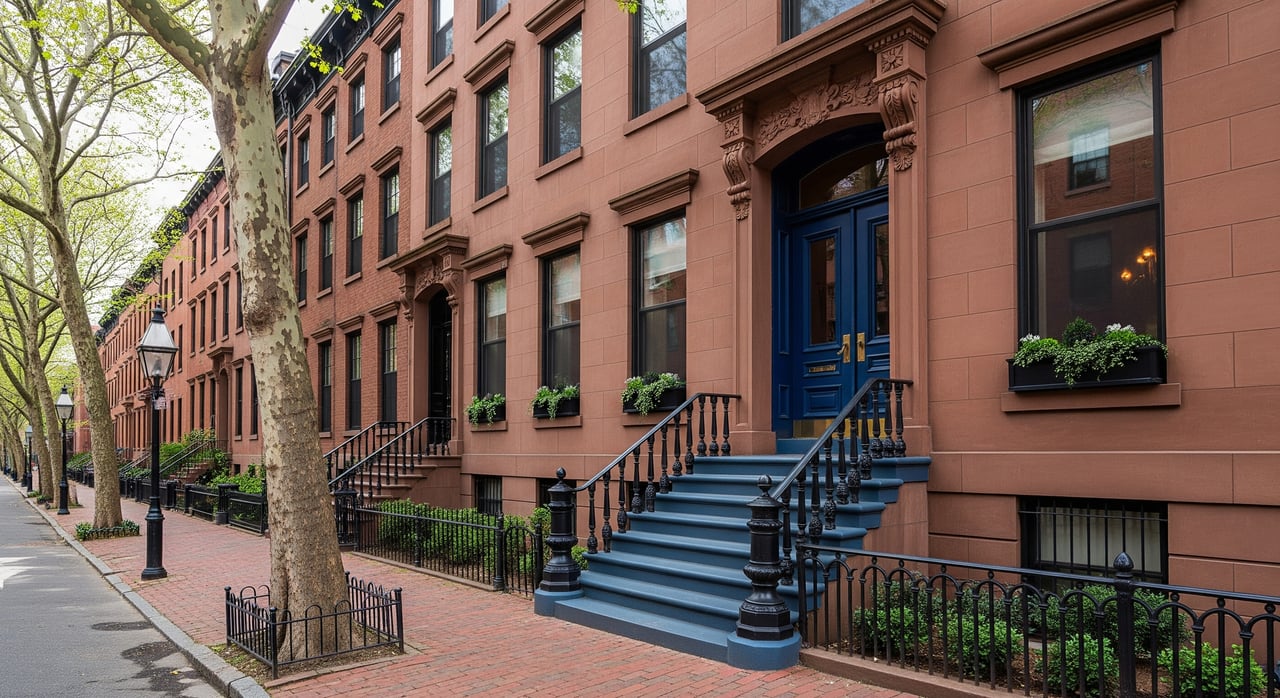
Love the look of a classic Boston brownstone but not sure what that really means in the South End? You are not alone. These homes are beloved for their history and character, yet they live differently than newer condos and require specific care. In this guide, you will learn what defines a South End brownstone, how the layouts function, the trade-offs between single-family ownership and condo conversions, and the key systems and maintenance items to understand before you buy. Let’s dive in.
What a Boston brownstone is
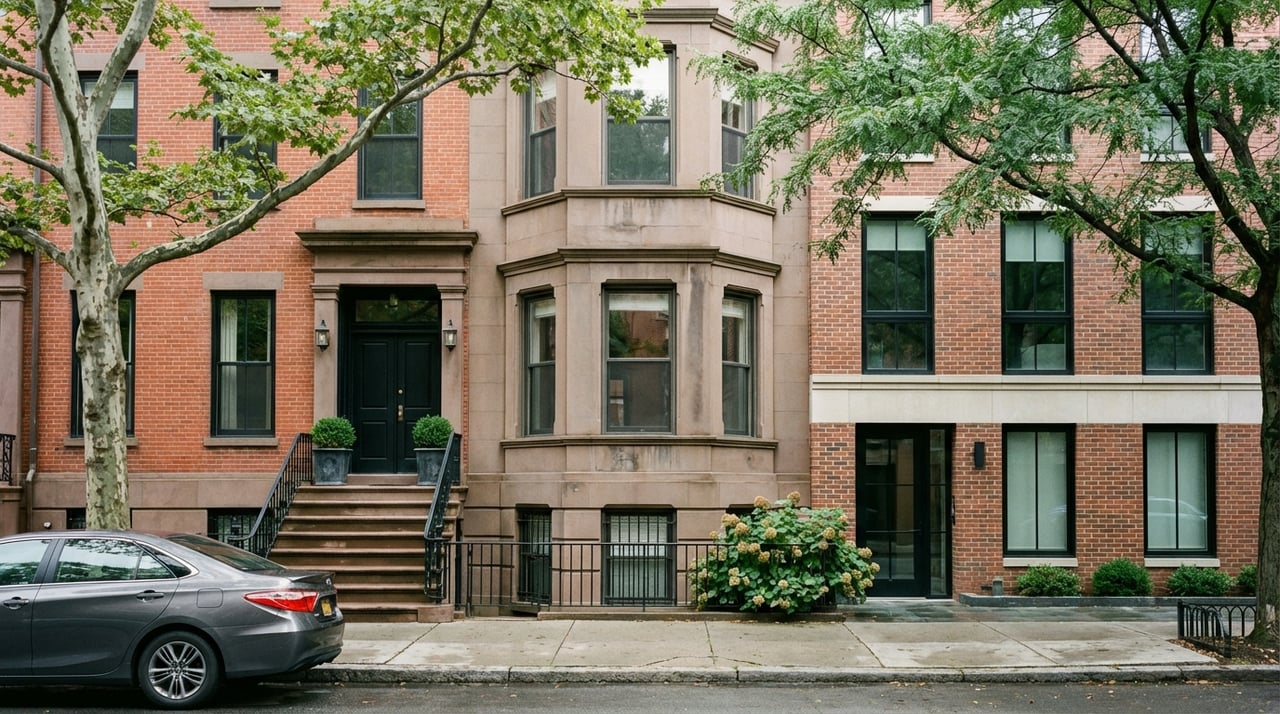
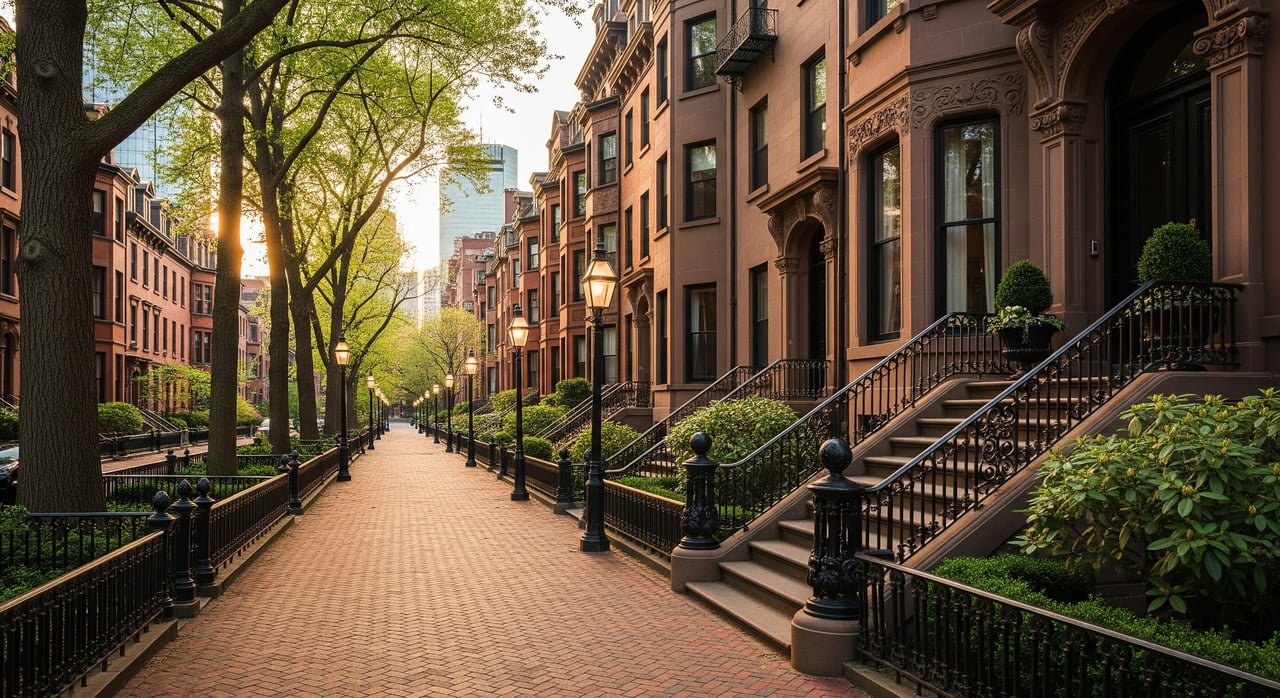
A Boston brownstone is part of a 19th-century rowhouse block, typically on a narrow lot with repeating façades and a consistent cornice line. In the South End, many façades are brick with brownstone trim, while some are true brownstone sandstone. You will often see elevated stoops, tall parlor-level windows, bay windows, decorative lintels and cornices, and cast-iron or stone fences.
The South End is one of Boston’s principal Victorian-era neighborhoods, with large contiguous blocks of these rowhouses. Many streets fall within landmark or historic districts, which protect exterior character and influence renovation plans. Location still matters a great deal. Proximity to parks like Franklin Square, transit, and dining can significantly affect value.
South End layouts and living
Parlor level basics
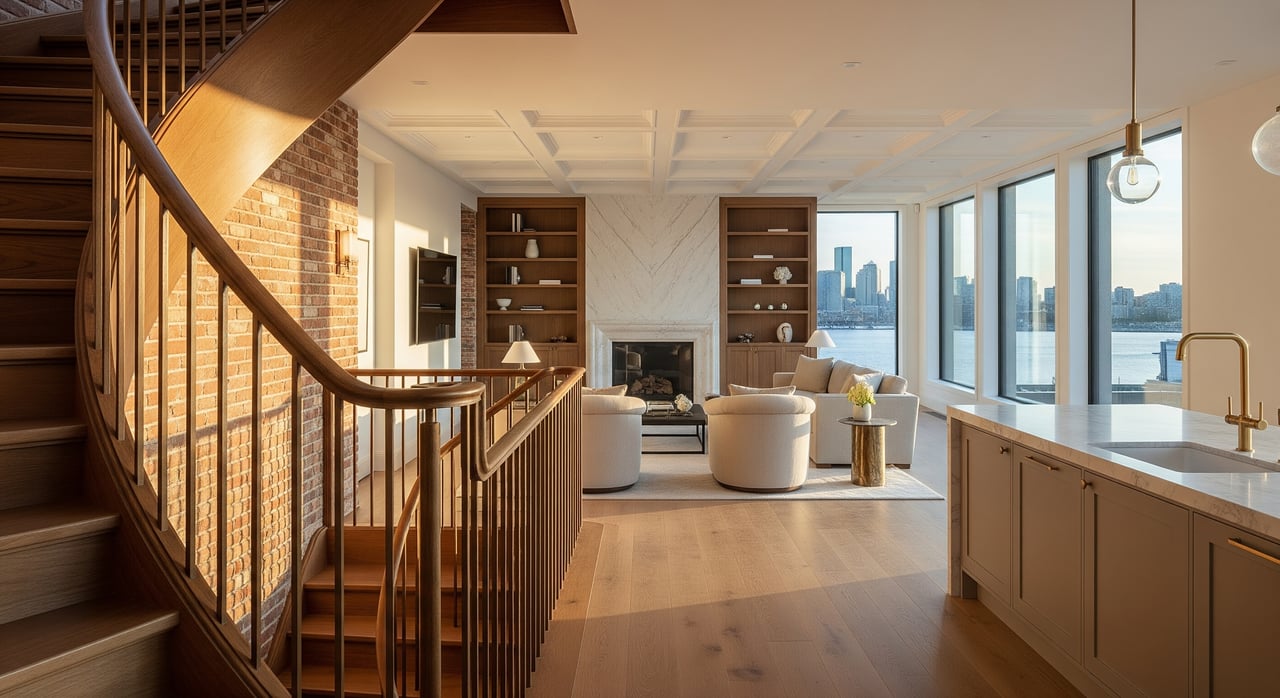
The parlor level sits above street grade and is often reached by a stoop. It typically features formal living and dining rooms with high ceilings, often around 10 to 12 feet. Tall windows and period details like moldings and mantels are common, and they are a big part of the appeal.
Garden level and daily life
The garden level is partially below grade and may have its own entrance. Many owners use this level for the kitchen and day-to-day living, with a direct connection to a small rear yard or patio. Some garden levels feel bright if they open to outdoor space, though moisture control is important in this part of the house.
Upper floors and cellar
Bedrooms stack on the second and third floors, with additional rooms or storage at the top level. Top-floor rooms can have lower ceilings or roofline constraints. Below the garden level, a cellar typically houses mechanical systems, storage, and utilities.
Common unit types
- Single-family brownstone: You own the whole building and control all decisions and maintenance.
- Multi-level single-family: Renovated triplexes or four-level layouts joined by interior stairs.
- Condo conversions: One building split into individual condo units, such as a garden unit, a parlor unit, and upper-floor units. An HOA handles common elements as defined in the condo documents.
- Rental multi-family: Two- or three-family homes with separately rented units that may or may not be condo-titled.
Lifestyle trade-offs
Parlor rooms offer soaring ceilings and period detail, while daily living often happens on the garden level. Floorplates are narrow and deep, which can limit large open-plan kitchens without structural work. Stairs are part of everyday life, from the stoop to multiple interior flights, so accessibility can be a challenge.
Systems and maintenance essentials
Masonry and façade care
Historic masonry needs specialized attention. Brownstone and brick can show weathering, spalling, cracked lintels, and failing mortar joints. Repointing, stone repair, and matching materials are common preservation tasks and may require specialists familiar with historic masonry.
Water and drainage
Garden levels and basements are vulnerable to moisture. Good grading, working gutters and downspouts, and subsurface drainage help avoid damp conditions. Watch for efflorescence on walls, musty smells, or recent basement repairs, and plan a close inspection if you see them.
Roofs and cornices
Roofs and flashing, especially around rear ells and dormers, are frequent leak points. Cornices and built-in gutters are beautiful but need care. Regular inspections and maintenance help prevent costly water damage.
Structure and envelope
Rowhouses share party walls. Settlement can show up as cracks along party walls, uneven floors, or sticky doors. The masonry walls carry loads, so opening spaces usually requires structural reinforcement.
Mechanical systems
Heating systems may be steam or hot-water radiators, while some homes have been upgraded to forced air or modern hydronic boilers. Oil heat was common in the past, and an abandoned oil tank can create a remediation expense. Older plumbing and electrical systems may have been partially upgraded over time, and service capacity of 100 to 200 amps is typical for modern needs.
Hazard materials and testing
Most pre-1978 homes have lead-based paint. Asbestos may appear in pipe wrap, insulation, or old floor tiles. Radon testing is recommended, and a sewer scope and oil tank sweep are prudent in historic properties. If you plan renovations, budget for proper testing and professional abatement when needed.
Maintenance rhythms and costs
Façade and masonry work is often a larger capital expense for brownstones. Roof and gutter care, tuckpointing, waterproofing at the garden level, and mechanical updates are routine over time. In condo buildings, some of these costs are shared by the HOA, but in single-family homes, you cover them directly.
Legal and ownership basics
Historic district rules
Many South End streets fall under local landmark protections. Exterior changes, including windows, stoops, cornices, and roof decks, often need review and approval. Plan timelines and budgets with this oversight in mind.
Condo conversions and HOAs
Condo conversions are governed by state law and local permitting. The master deed and bylaws define what is a unit responsibility versus a common element, such as roof, façade, and foundation. Always review condo financials and reserve status, because upcoming projects can affect your costs.
Fire code and egress
Multi-unit buildings must meet current life-safety standards for egress and fire separation, with possible sprinkler requirements depending on scope. Some older conversions may have grandfathered conditions. These factors can affect insurance, future upgrades, and approvals.
Party walls and shared elements
Rowhouses are attached, so there may be legal easements for access and repair. Understand cost-sharing obligations for shared elements like party walls and drains. Good documentation helps avoid disputes later.
Zoning, decks, and parking
On-site parking is rare in the South End. Zoning and historic rules also shape what is possible for rooftop decks, dormers, and rear additions. If outdoor space is a priority, confirm that a deck or yard is legal and permitted.
Insurance and financing
Historic construction and multi-unit status can influence lending and insurance. Lenders may require inspections or repairs prior to closing. Clarify any conditions early so your timeline and budget remain on track.
Price drivers and buyer fit
Features that add value
- High-quality period details such as moldings, mantels, and staircases
- Tall parlor ceilings and strong natural light
- Updated kitchens and baths with sound mechanical systems
- Legal outdoor space and proximity to parks or desirable streets
- Full single-family ownership for control and privacy
Issues that reduce price or require negotiation
- Façade or roof repairs, water intrusion, or chronic damp basements
- Out-of-code electrical or mechanical systems
- Missing permits for past work or questionable egress
- Potential environmental issues like underground oil tanks
- Weak HOA reserves or large pending assessments
Match your priorities
If you value historic integrity and control, a single-family brownstone may suit you. If you want South End character at a lower price point, a garden or parlor condo can be a smart entry, with shared responsibilities through the HOA. If accessibility is important, a garden-level unit with fewer steps may be the most practical, but confirm moisture management and egress.
Due diligence red flags
Look carefully for signs of water intrusion, repeated structural patching, chimney wear, or mechanical systems near end of life. Confirm legal unit status and permits for past conversions or renovations. For condos, read the master deed, bylaws, financials, and meeting minutes to gauge upcoming costs.
Buyer checklist for tours
- Note ceiling heights, window size, and natural light on each level.
- Trace the daily living flow between garden and parlor levels.
- Ask about recent masonry work, repointing, and roof repairs.
- Look for moisture indicators in the garden level and basement.
- Confirm electrical service capacity and age of boiler or HVAC.
- Request documentation for past permits and condo conversion.
- If a condo, review master deed, bylaws, budgets, reserves, and any special assessments.
- Plan inspections: full building, masonry, roof, sewer scope, moisture, mechanicals, and environmental testing where relevant.
Next steps
A South End brownstone offers beauty, history, and a strong neighborhood feel. With the right guidance, you can balance period charm with practical needs and long-term maintenance plans. If you are weighing single-family versus a condo unit, or want a second opinion on condition, reserves, or renovation scope, connect with a local advisor who lives and breathes these streets. For tailored insight on specific blocks, building histories, and negotiation strategy, reach out to Roberta Orlandino.
FAQs
What is a South End brownstone?
- A historic 19th-century rowhouse, often brick with brownstone trim, recognized by its stoop, tall parlor windows, bay windows, and decorative cornice.
How do parlor and garden levels differ?
- The parlor sits above street grade with higher ceilings and formal rooms, while the garden is partly below grade and often used for kitchens and daily living.
What should I know about moisture in garden levels?
- Moisture is a common risk; check grading, gutters, drainage, and look for efflorescence or musty smells. Plan a detailed waterproofing and moisture inspection.
What is the difference between single-family and condo ownership?
- Single-family buyers own the entire building and all maintenance, while condo owners have a unit plus shared responsibility for common elements through an HOA.
Do historic district rules limit renovations?
- Exterior changes often require review and approval, including windows, stoops, cornices, and rooftop decks. Build timelines with this oversight in mind.
Which features boost value in a brownstone?
- Period detail, tall parlor ceilings, updated systems, legal outdoor space, and proximity to parks or desirable blocks typically increase appeal and price.
What inspections are most important before buying?
- A full building inspection plus masonry, roof, sewer scope, moisture assessment, mechanical review, and testing for lead, asbestos, and radon are commonly recommended.